dailynewsnblog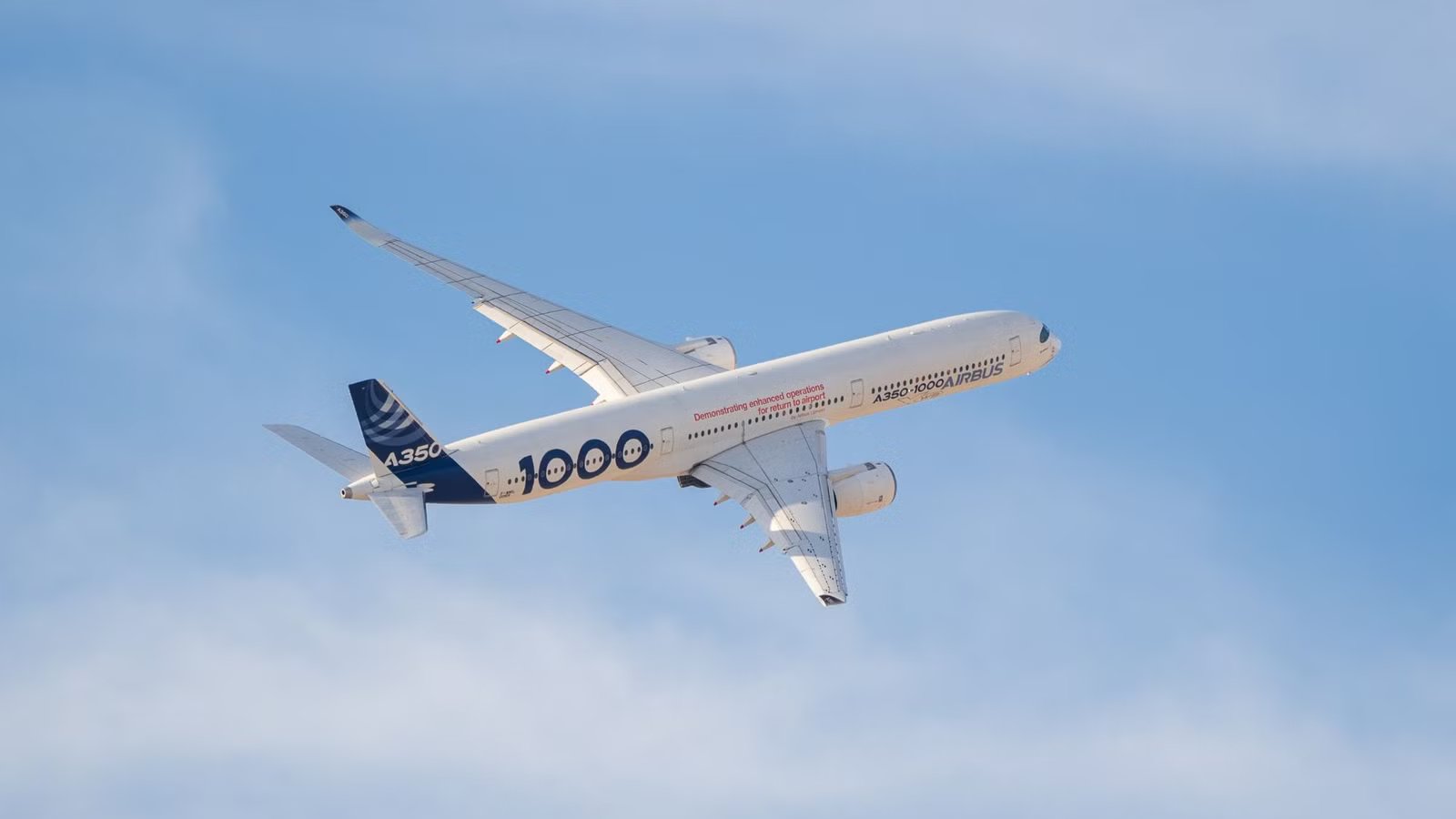
 United Airlines’ Airbus A350 order has turned into one of the more drawn-out and contested widebody commitments in recent aviation history. While the commitment was originally placed in 2009 for 25 aircraft as part of a long-haul fleet renewal strategy, United later upsized the order to 45 examples of the A350-900. However, the deal has been pushed back and re-evaluated as United’s operational priorities shifted toward the Boeing 787 Dreamliner. The legal deadlock with Rolls-Royce has since brought the deal to a standstill; United has officially removed the 45 aircraft from its future delivery schedules in its financial reports.
The situation has become more complicated due to a commercial dispute between United and Rolls-Royce, the exclusive engine supplier for the A350. According to United’s regulatory SEC filings, the airline made a $175 million advance payment to Rolls-Royce under a 2017 agreement to secure production slots and long-term maintenance terms. However, United later alleged that Rolls-Royce failed to meet its contractual obligations and is now pursuing the repayment of those funds along with damages. Rolls-Royce rejects those claims. Because the A350 is only offered with Rolls-Royce Trent XWB engines, the disagreement is amplified by the lack of alternative engine options, leaving United with limited flexibility once the aircraft type is selected.
The History Of The United’s A350 Order

At the International Air Transport Association (IATA) annual meeting in Rio de Janeiro on Sunday, United CEO Scott Kirby criticized Rolls-Royce, focusing on what he described as weak service support and the structural limitations created by the company’s exclusive position as the sole engine supplier for the A350. His remarks were made in the context of broader industry concerns about engine availability, maintenance delays, and the lack of competitive pressure in certain aircraft-engine pairings.
Kirby also contrasted Rolls-Royce with other major engine manufacturers, praising General Electric for its performance and acknowledging Pratt & Whitney’s efforts to improve service and reliability. He used the comparison to highlight uneven levels of responsiveness across the engine manufacturing sector, particularly at a time when airlines are relying heavily on long-term support agreements to keep widebody fleets operational amid ongoing supply chain strain.
Catch what other flight trackers miss
Emergency squawks, holds, NOTAMs — live signals, no signup.
Open tracker
Catch what other flight trackers miss
Emergency squawks, holds, NOTAMs — live signals, no signup.
Open tracker
Beyond supplier criticism, Kirby pointed to a wider industry bottleneck, estimating that roughly 800–900 commercial aircraft are currently grounded worldwide due to persistent engine shortages. He said this situation is likely to continue for many years, driven by constrained maintenance capacity, supply chain delays, and high global demand for aircraft utilization. According to his assessment, these pressures are now limiting growth across the aviation sector, affecting multiple airlines and regions rather than being confined to United’s own operations. Kirby remarked that Rolls-Royce “doesn’t care,” according to FL360aero.
“GE is the best, I think Pratt & Whitney is working hard, so I appreciate their attitude and what they’re doing, and my sentiment is that Rolls doesn’t care.”
How Engine Exclusivity Intensifies Commercial Tension

The A350 is powered solely by Rolls-Royce Trent XWB engines, meaning airlines selecting the aircraft have no competing engine manufacturers to choose from. This single-source approach is designed to optimize aircraft performance and integration, but it also removes competitive pricing pressure once the purchase decision is made.
In practical terms, this means airlines are tied into a long-term relationship with the engine supplier for both propulsion and maintenance support. While such arrangements can deliver efficiency and consistency, they also reduce bargaining power if disagreements arise over pricing structures, service levels, or contractual interpretation.
For United, this structure has become central to its dispute. With no GE or Pratt & Whitney alternative available for the A350 without redesigning the aircraft, any breakdown in the engine maker relationship carries far greater consequences than it would in a multi-supplier program.
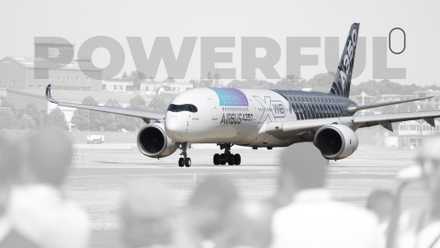
This Is How Powerful The Airbus A350 Is
Its power isn’t just in raw thrust.
Strategic Impact On United’s Long-Haul Fleet Planning

The end of the A350 order reflects broader changes in how airlines manage large fleet commitments. United’s long-haul strategy has increasingly focused on flexibility, especially as demand patterns, fuel prices, and network structures continue to evolve.
The airline has concentrated heavily on 787 deliveries, which already serve a wide range of its international routes and allow operational commonality across its fleet. This reduces the need to introduce a separate widebody type that would require additional training, spares, and maintenance infrastructure.
Taken together, repeated deferrals, legal friction, and shifting fleet priorities have left the A350 program in a dead-end position.