dailynewsnblog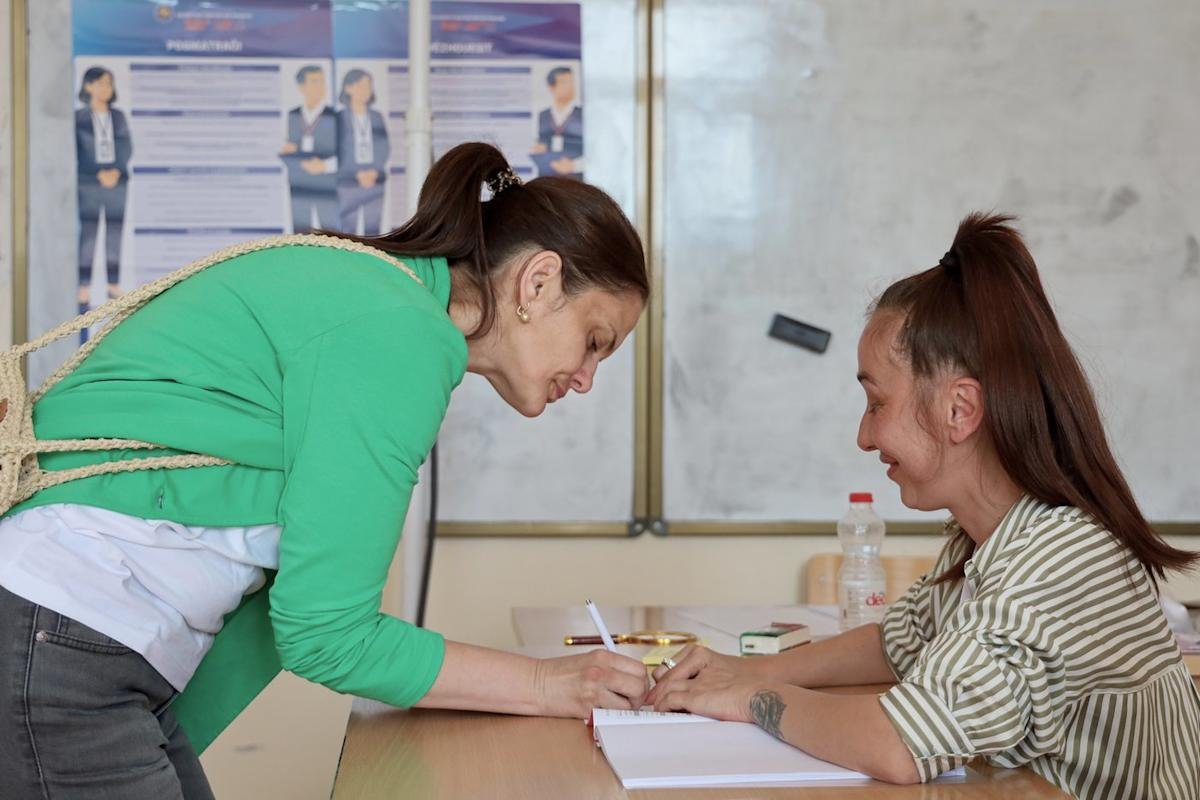
PRISTINA, Kosovo (AP) — Prime Minister Albin Kurti’s party won the most votes in an early parliamentary election in Kosovo on Sunday, early results showed. But it remained unclear whether the outcome will bring an end to a political impasse in the small Balkan nation seeking to move closer to the European Union and NATO.
The vote was Kosovo’s third in less than 18 months. It was scheduled after the main political parties failed to agree by a March deadline on who should replace former President Vjosa Osmani. The first inconclusive election in February 2025 left the country without a functioning government for much of last year, forcing a second election in December.
Kurti’s ruling Vetevendosje party won around 43% of the votes followed by the Democratic Party of Kosovo with 21,7% and the Democratic League of Kosovo with 18%, the state election authorities said after counting nearly 90% of the ballots cast on Sunday. The final tally also will need to include some 100,000 votes of Kosovars living abroad.
Kurti and his party had a comfortable majority of more than 50% of the votes in a previous early election in December. Coupled with a lower turnout, the fall in support appears to reflect voter disappointment with mainstream politicians who have kept the small Balkan nation in a state of a prolonged crisis.
The political stalemate has negatively affected Kosovo’s economy, already hit hard by the global energy crisis and rising fuel prices. Kosovo, one of the youngest and poorest countries in Europe, declared independence from Serbia in 2008, after a 1998-99 war that ended in a NATO bombing that forced Serbia to withdraw.
Kosovo’s president is elected by at least 80 lawmakers in the 120-member assembly, requiring a broader political consensus. The newly elected lawmakers will face the same task once the new assembly is formed after Sunday’s vote despite a reshuffle in the their numbers.
The main opposition parties have accused Kurti of seeking to impose full control over all political institutions in the country.
“Today is a sunny Sunday, a very important day for democracy in Kosovo,” Kurti said after voting. “I hope the people of Kosovo once again will show their maturity as always, with a very high turnout.”
Osmani joined the opposition LDK in the election, having turned against Kurti after he refused to back her for a second term. Osmani on Sunday expressed “great optimism” that the election will “take us out of the repeated crisis that has damaged our country, both domestically and beyond our borders.”