dailynewsnblog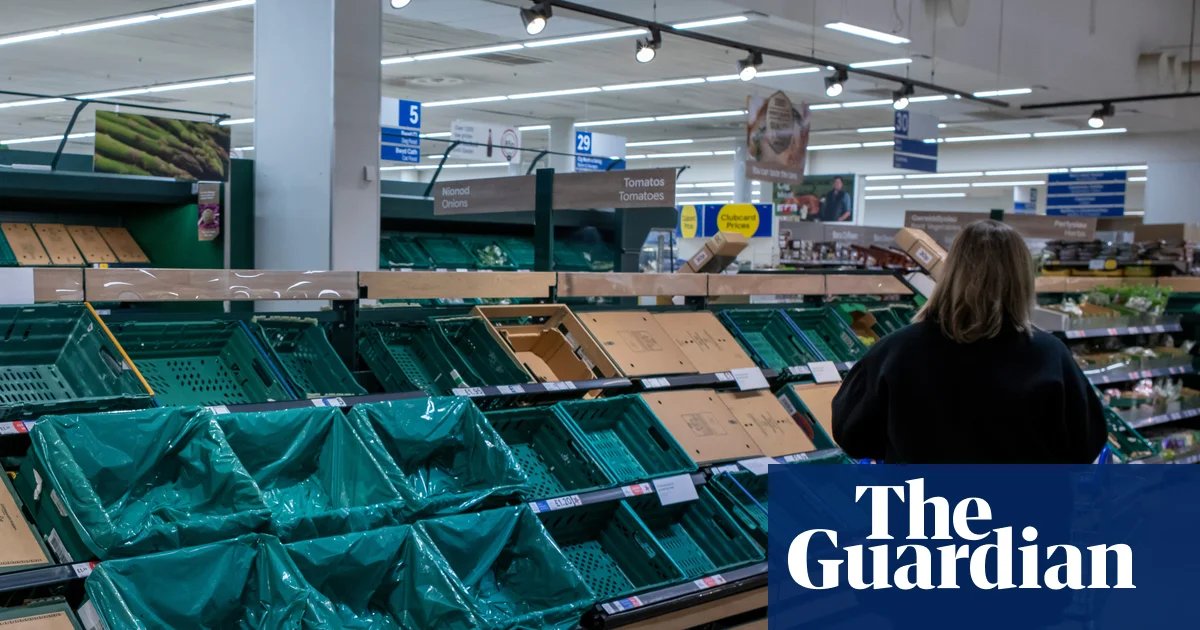
Ministers have been accused of being complacent about the risks to vital supplies of food into the UK amid concerns over fuel shortages, cyber attacks and extreme weather.
The trade body for cold storage and logistics has urged the government to make potential disruption to the UK’s food system an “immediate national priority”.
Phil Pluck, the chief executive of the Cold Chain Federation (CCF), which represents businesses involved in supplying and transporting temperature-sensitive food and pharmaceuticals, said: “The potential for a major food crisis is as great now as it ever was. We are at the mercy of so many different factors now, which are becoming increasingly dangerous to food supply in this country.”
Britain’s food system has not been significantly tested since the second world war, a time when about half of the nation’s cold stores were in public ownership, said Tom Southall, the deputy chief executive at the CCF. “This alludes to an element of complacency about how and where we store our food in the UK.”
Britain relies on overseas imports for more than a third of its food, most of it entering through four ports, making supplies particularly vulnerable to potential interruption.
The CCF said international conflicts or hold-ups at the UK border could stop food flowing into the country, while fuel shortages or the failure of cold-storage sites because of flooding or extreme heat amid the climate crisis could cause gaps on supermarket shelves.
The continued closure of the strait of Hormuz has interrupted global flows of fertiliser, necessary for half the world’s food production, further raising fears over shortages.
Many everyday grocery items, including meat, vegetables, fish, dairy products, bread, fruit and ready meals, rely on the cold chain, as well as medicines, vaccines and blood and plasma products.
These products are chilled or frozen before being transported from 460 cold-storage sites by approximately 100,000 lorries on their journey from growers and manufacturers to food retailers, hospitality venues and public institutions such as schools, hospitals and care homes.
The CCF accused the government of failing to take steps to make the UK’s food supply more resilient. “We are recognised as critical national infrastructure by Russian cybercriminals, not by the UK government,” said Pluck, warning that companies in the cold chain have in recent months frequently faced attempted cyber-attacks.
Supplies of food items have been interrupted on several occasions in the past few years, including shortages of fresh produce such as tomatoes, cucumbers and peppers after poor weather in Europe and north Africa hit imports in February 2023 at the same time as UK and Dutch glasshouses cut back production amid soaring energy bills. Several UK supermarkets temporarily rationed sales of certain items in response.
Pluck called on the government to designate the UK’s cold stores and food transport hubs as critical infrastructure – rather than the food sector as a whole – given recent shocks to supply during the pandemic, or after Russia’s full-scale invasion of Ukraine. This would ensure power supplies would be maintained in the event of large outages.
He cautioned that disruption to food supplies can quickly lead to riots – as seen in Venezuela in 2016 – while vulnerable people and the poorest households are the most exposed to such risks.
The CCF has produced a white paper that calls for staff at the UK’s large cold stores and transport hubs to be given permanent essential-worker status – which they temporarily had during the pandemic – and for the Cabinet Office to take overall responsibility for cold-chain resilience and security.
A government spokesperson said: “The food sector is one of the UK’s 13 critical national infrastructure sectors, and the cold chain is important to food supply to increase adaptability to disruptions that can occur.
“We have committed to maintaining domestic food production; we are investing billions in the development of new technology to increase yields, develop climate-resilient crops and help farmers produce more food.”