dailynewsnblog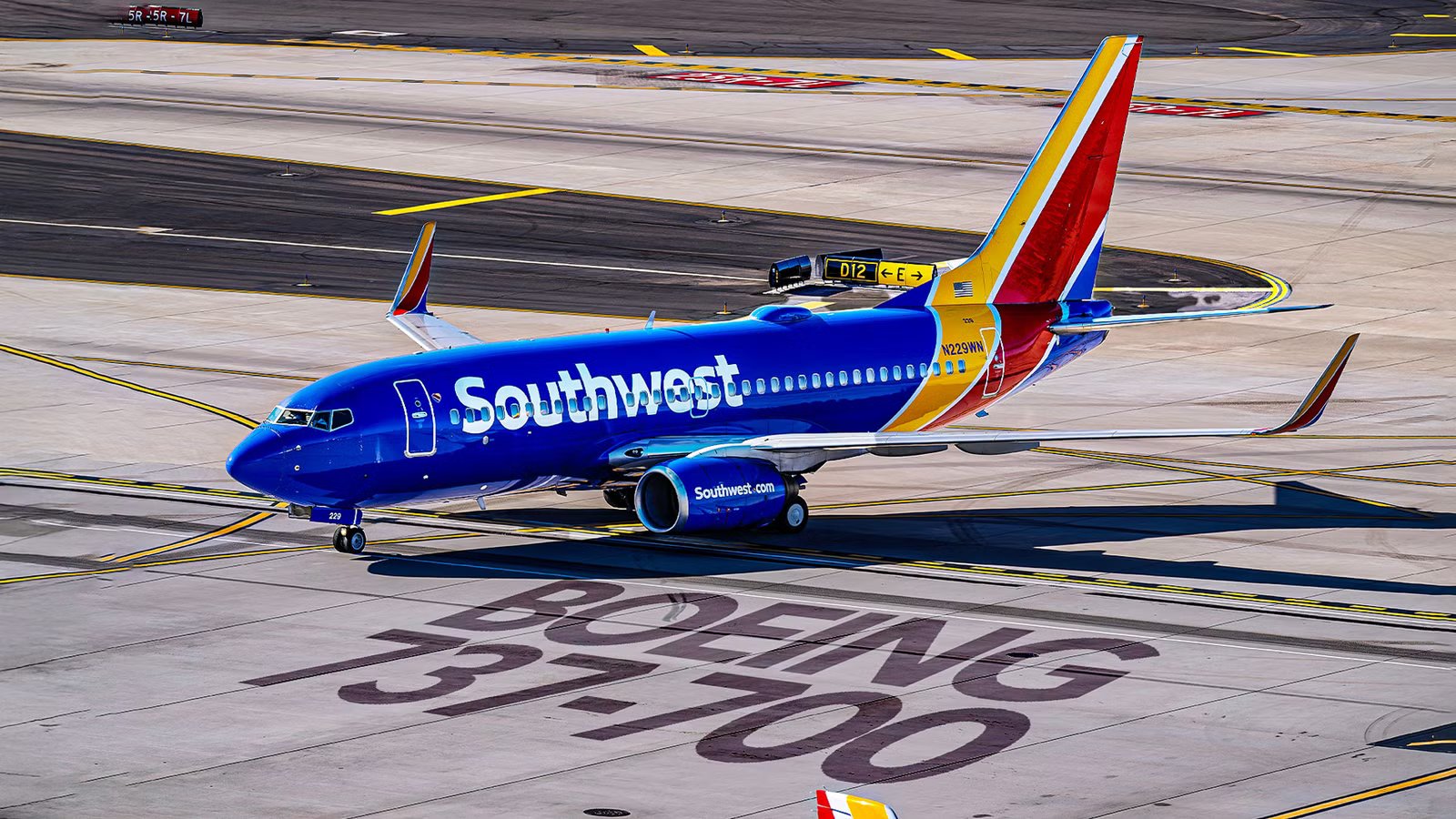
 Southwest Airlines Flight WN-375 on Friday was forced to abandon its itinerary as the plane climbed out of Austin Bergstrom International Airport (AUS) in Texas. The plane was bound for
  Phoenix Sky Harbor International Airport (PHX), but when it landed, inspection revealed metal debris inside the engines.
The crew was climbing through 13,000 feet (3,962 m)when the pilots decided to come back despite the fact that there was no engine fire alert. According to the Aviation Herald, they did not declare an emergency and landed safely after some vectors to avoid the weather before touching back down.
Late Arrival At Phoenix Sky Harbor.

The air crew requested emergency services to inspect the plane upon landing after working through the checklist on the way back down. That is when they discovered that there was an object debris, or FOD, inside the right engine. The Boeing 737-700, registration N7855A, was grounded, and a replacement aircraft of the same type, tail number N920WN, was substituted, with the flight eventually arriving after a 3.5-hour delay.
The plane that was damaged on Friday’s aborted departure is over 20 years old, according to planespotters.net data. It was first acquired by China Eastern Airlines, and it’s flown for Southwest for the last nine years. There are no previous incidents in the history of the airframe, and details regarding the cause of the engine damage remain unclear.
According to the Aviation Herald, the FAA reported:
“Aircraft returned to airport due to an engine issue, and post-flight inspection revealed metal debris and damage to the right engine, Austin, TX.”
The Fragile Heart Of A Jetliner

There are a number of potential explanations for how the metal ended up inside the engine of N7855A on Friday. The first would be for an object debris, also known as FOD, which is basically any stray objects lying on the runway, taxiways, or other areas where airplanes have engines running. Hard enough objects can impact the turbofan blades and send tiny pieces of metal through the core. Small rocks, loose pieces of asphalt or other items, like plastic trash or even ice, made from hard material can do the same thing while the plane is taxiing.
Another potential explanation is the engines degrading from prolonged wear and tear, leading to component fatigue. Constantly running the engines for years can cause the main shaft bearings to release steel rollers, which would impact fan blades or other moving parts inside the various stages of the engine and cause a similar type of debris and damage. Extreme heat can also cause the fan blade tips to delaminate and shed small fragments of metal. Wear on the gearbox for accessories that draw power off the turbine can also generate small metal shavings. Any of these could potentially be to blame.
Engine Issues Prompt Southwest Airlines Boeing 737-700 To Return To Sacramento
Passengers reported seeing what they believed to be flames coming from one of the engines.
Getting a Boeing 737 Back In The Air

Airframe and power plant technicians will evaluate the airplane and find every part that needs to be replaced or repaired in order to return the jet to service. They will dissect the power plants to ensure that the left engine is also intact. Focusing on the repairs for the right engine, which is confirmed to be damaged already, the highly trained mechanics will disassemble and replace parts that are no longer safe for flight.
Once the engine has been fully repaired and the Southwest maintenance team declares it ready for service again, it will be inspected to ensure that it is 100% safe to fly. The airline will conduct a high-power run-up in a dedicated enclosure or taxiway to test the engine under full operational stresses on the ground first. Aviation regulations require a second pair of eyes for any critical flight safety system. Before starting the engines, technicians perform meticulous mechanical audits.
After the run-up test, there will be a final inspection of the engine to confirm that everything is working properly after it has been subjected to strain. Senior inspectors will verify that all of the controls, fuel shut-offs, or thrust reversal linkage, and other related peripherals are all correctly connected and working. Then finally comes the paperwork drill, with a certified inspector designating the airplane as ‘airworthy and ready to return to service.’