dailynewsnblog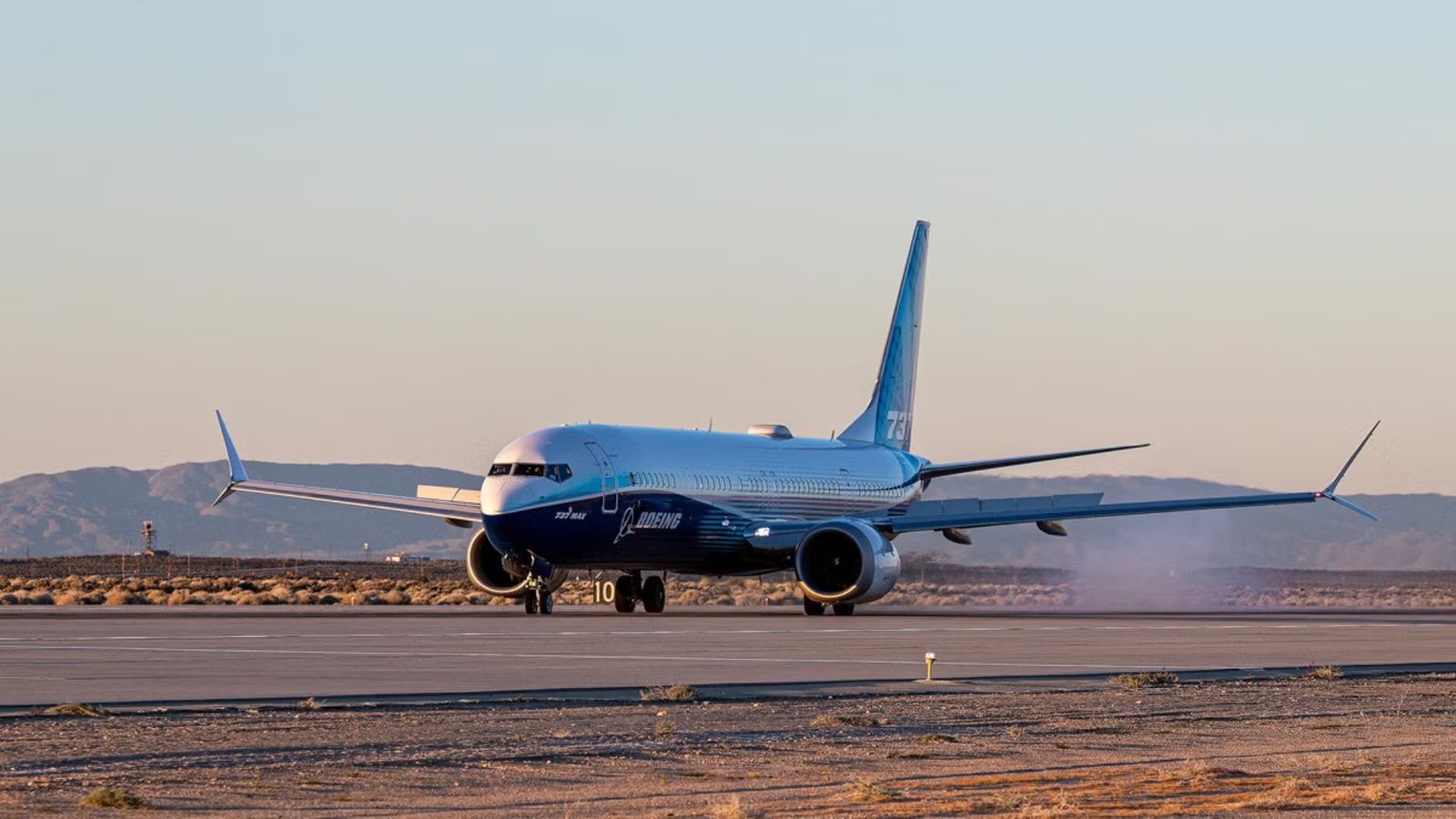
 Boeing is preparing for one of the most consequential manufacturing changes in the history of its best-selling aircraft family as the company gets ready to begin 737 MAX production at a new assembly line in Everett, Washington. The facility, known as the North Line, will become the first site outside Renton to build the 737 since the program’s launch in the 1960s. The move comes at a critical moment for Boeing, which is working to increase output, improve manufacturing stability, and capitalize on strong demand in the single-aisle aircraft market. Boeing currently holds approximately 4,830 unfilled orders for the 737 MAX, making it the backbone of the company’s commercial aircraft business.
CNBC reported that the first aircraft scheduled to emerge from the new line will be the 737 MAX 10, the largest variant in the MAX family and a model viewed as central to Boeing’s efforts to strengthen its position in the high-capacity narrow-body segment. The MAX 10 can seat up to 230 passengers in a single-class configuration and has accumulated around 1,400 customer commitments since its launch.
A New Era For The Boeing 737 MAX

For more than five decades, every Boeing 737 has been assembled in Renton, Washington. The opening of the North Line, therefore, represents a historic shift for a program that has become the world’s most widely used family of commercial jetliners. The new assembly line is being established inside Boeing’s Everett factory, a facility better known for producing iconic wide-body aircraft, including the 747, 767, and 777. Following the end of 747 production in 2023, Boeing began repurposing portions of the site to support future 737 MAX manufacturing.
The Everett expansion will effectively become Boeing’s fourth 737 production line and is intended to provide capacity for production rates of 47 aircraft per month. Company officials have indicated that the line will initially operate at low-rate production while eployees complete FAA conformity requirements and manufacturing systems are validated. Once fully integrated, the facility will become a permanent part of Boeing’s overall 737 production network. Kelly Ortberg, the company’s CEO, told CNBC:
“We’ll be loading our first airplane on July 6, so just about a month from now, we’ll be bringing that [fourth] line alive.”
Why The MAX 10 Matters So Much

The 737 MAX 10 occupies a particularly important position in Boeing’s product strategy. As the longest 737 ever developed, the aircraft is designed to carry more passengers than other MAX variants while offering airlines lower operating costs on high-demand routes. The jet was launched in 2017 and has attracted significant customer interest as airlines seek efficient narrow-body aircraft capable of serving busy domestic and regional markets.
The aircraft’s importance is reflected in Boeing’s order book. Industry data shows the MAX 10 accounts for nearly one-third of all 737 MAX orders (1,400 total), making it one of the most significant variants in the family despite not yet entering commercial service. Major carriers, including United Airlines and Ryanair, have placed substantial commitments to the aircraft as they modernize their fleets.
Certification remains the final major hurdle. Recent reports show Boeing expects MAX 10 certification by the end of 2026. Achieving that milestone would unlock deliveries to airlines that have been waiting years for the aircraft and provide Boeing with another growth driver as it expands production capacity.
Why 1,400+ Airline Orders Aren’t Enough To Get Boeing’s 737 MAX 10 Off The Ground In 2026
It will still take thousands of hours behind the scenes before approval is secured.
Supporting Boeing’s Production Recovery

Increasing 737 MAX output has become a central pillar of Boeing’s recovery strategy. After years of production disruptions, regulatory restrictions, and quality-control challenges, the manufacturer has begun raising monthly output from 42 aircraft to 47 aircraft, with ambitions to reach 52 per month in 2027 and eventually 63 per month. Some industry reports suggest Boeing is even evaluating production rates approaching 70 aircraft per month over the longer term, bringing it closer to Airbus’ narrow-body output targets.
The stakes are significant. Boeing recorded more than $35 billion in losses between 2019 and 2024 as it navigated the aftermath of the MAX grounding, pandemic-related disruptions, and manufacturing challenges. Higher production rates are viewed as essential to improving cash flow, reducing delivery backlogs, and restoring financial performance.
With more than 2,200 737 MAX aircraft already delivered worldwide and nearly 4,900 still on order, demand for the jet remains strong despite the program’s turbulent history. As the first MAX 10 moves through Everett’s new assembly line later this year, the facility will serve as a key test of Boeing’s ability to scale production, meet customer demand, and execute one of the most ambitious manufacturing transitions in its modern history.