dailynewsnblog
The federal government now intends to introduce legislation during the next parliamentary sitting, after leaving the door open to potentially fast-tracking the bill within weeks of releasing its discussion paper last month.
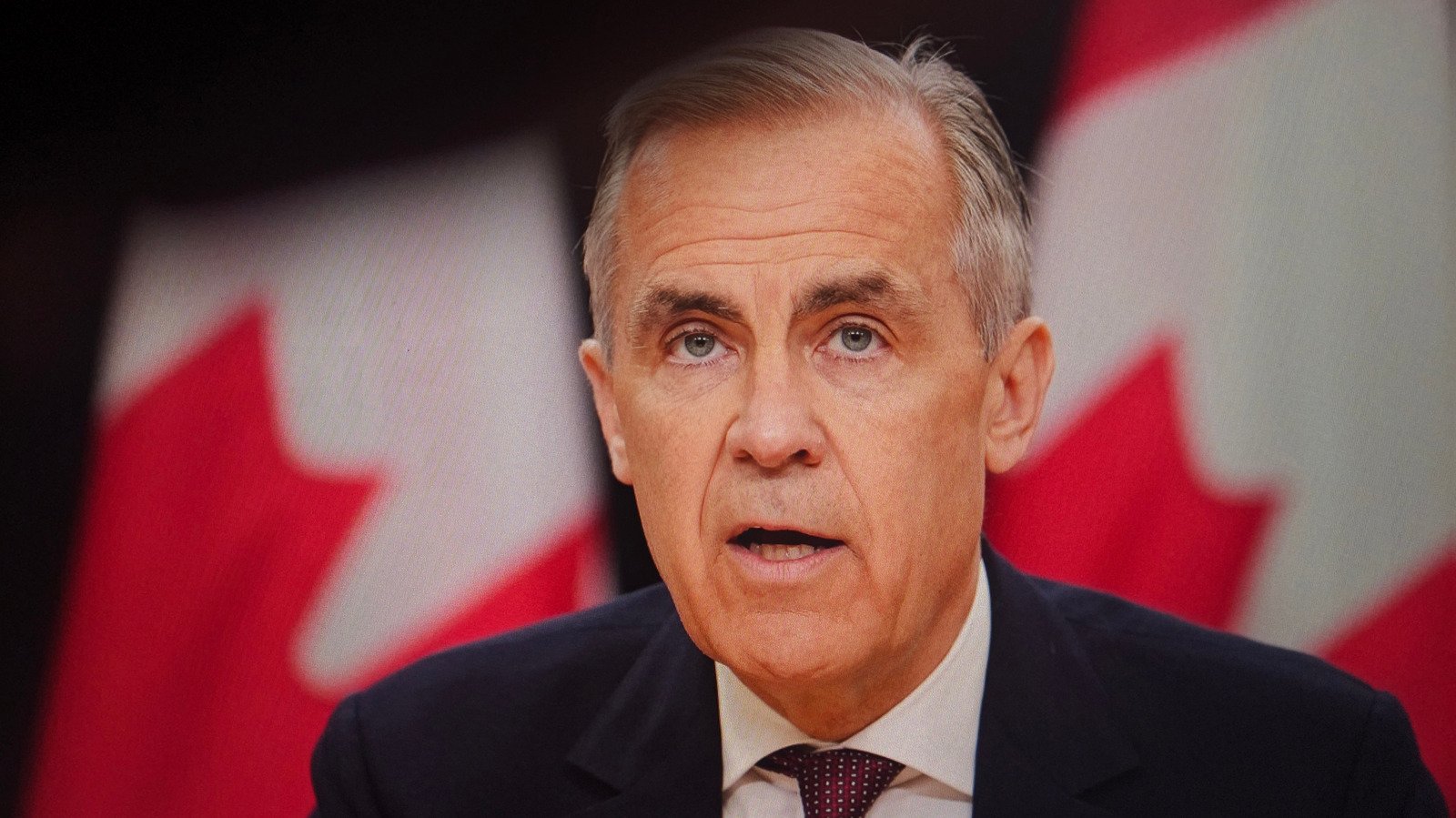
Unlike its rushed approach to Bill C-5, the Carney government does not plan to force through its proposed regulatory changes for major projects before the end of the current parliamentary sitting.
The federal government says it received feedback from thousands of stakeholders since releasing a discussion paper last month, with some expressing “a desire to have additional opportunities to provide input.”
The consultation period has been extended to July 22, 2026, and the office of Intergovernmental Affairs Minister Dominic LeBlanc says the federal government intends to introduce legislation in the fall sitting.
Some of the proposed regulatory changes in the discussion paper include a one-year limit on federal project decisions, a new consultation hub for Indigenous groups, and pipelines no longer requiring Impact Assessment Agency review.
READ MORE: Feds propose major overhaul of project assessment process
Assessment and legal experts told iPolitics the proposed changes could dismantle some of the helpful checks and balances in the assessment process, clearing the way for projects where public costs could outweigh economic benefits.
Several Indigenous groups, including the Assembly of First Nations, called for a full committee hearing on the proposed regulatory changes, and expressed concerns about the timelines outlined in the proposals.
Environmental groups also voiced concerns about what the proposed changes mean for species at risk.
Some of the proposed changes, such as the creation of special economic zones where projects are ‘pre-approved’, could be consequential for major projects, but were released with few details as part of the discussion paper. Notably, it is unclear how much the federal law would mirror Ontario’s Bill 5, which also uses the term ‘special economic zones.’
More clarity is expected once the legislation is tabled.