dailynewsnblog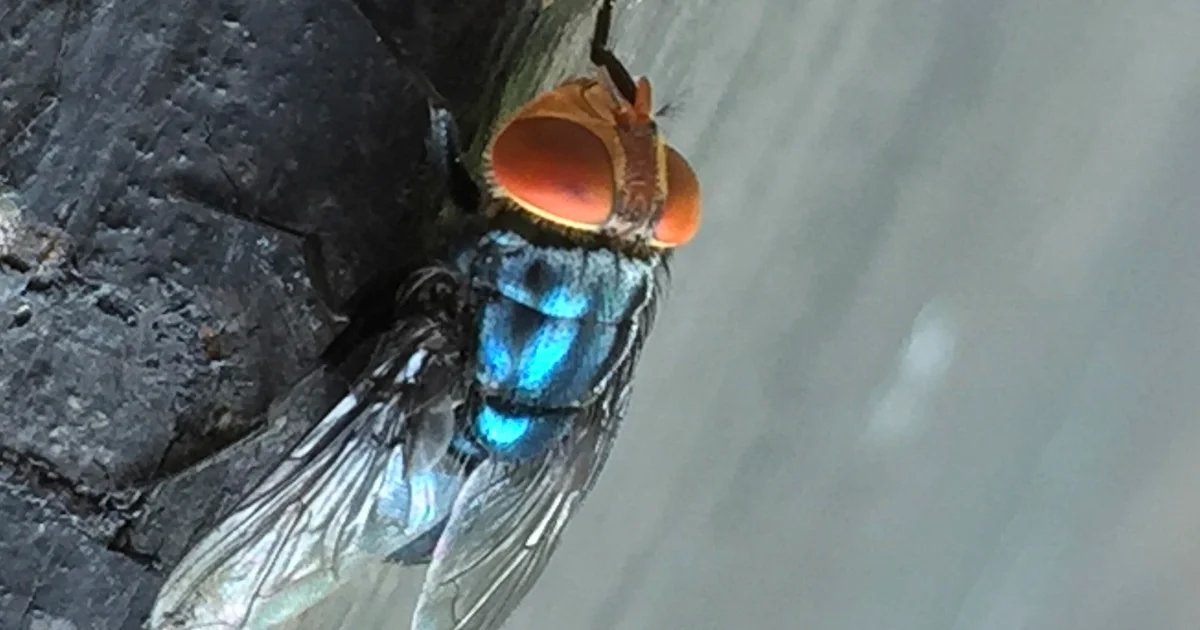
The U.S. Department of Agriculture confirmed the presence of a flesh-eating New World screwworm in Texas on Wednesday.
The USDA said the only animal affected was a 3-week-old calf in Zavala County, Texas, after larvae were identified in its umbilical area.
The USDA said it’s taking immediate action to eradicate the parasitic fly by establishing a 12-mile “infested zone” around the detection site and implementing quarantines, increasing traps for screwworms along the border and establishing an Incident Command Team with the Texas Animal Health Commission.
“USDA invested heavily in the tools needed to eliminate NWS ever since cases started increasing in Central America and Mexico. The United States has defeated this pest before, and we will do it again,” said Dudley Hoskins, under secretary for marketing and regulatory programs at USDA.
A screwworm was detected last week in Mexico, just 25 miles from the United States border, the USDA previously said. That encounter had been the closest to U.S. soil since at least last September, according to federal data.
The USDA said in a social media post earlier Wednesday that a sample from the case in Texas had been sent to the USDA’s National Veterinary Services Laboratories in Ames, Iowa, for confirmation of New World screwworm.
At least 26,216 screwworm cases have been identified across Mexico, and upward of 2,700 remain active, the USDA said.
New World screwworm maggots can infest livestock and other warm-blooded animals, including, in rare cases, people, according to the USDA. The parasitic fly lays its eggs in open wounds or orifices such as the eyes, ears, nose or mouth, which can then eat living tissue or flesh once they hatch, according to the Centers for Disease Control and Prevention.
The screwworms most often enter an animal through an open wound and feed on its living flesh.
The New World screwworm is typically found in South America and parts of the Caribbean, but over the last three years, it has been detected farther north in Central America and Mexico, the CDC said.
Last year, the first case of a New World screwworm infestation in a human was confirmed in the U.S., the Department of Health and Human Services announced at the time. The person had recovered, and investigators found no evidence of transmission to others or animals.