dailynewsnblog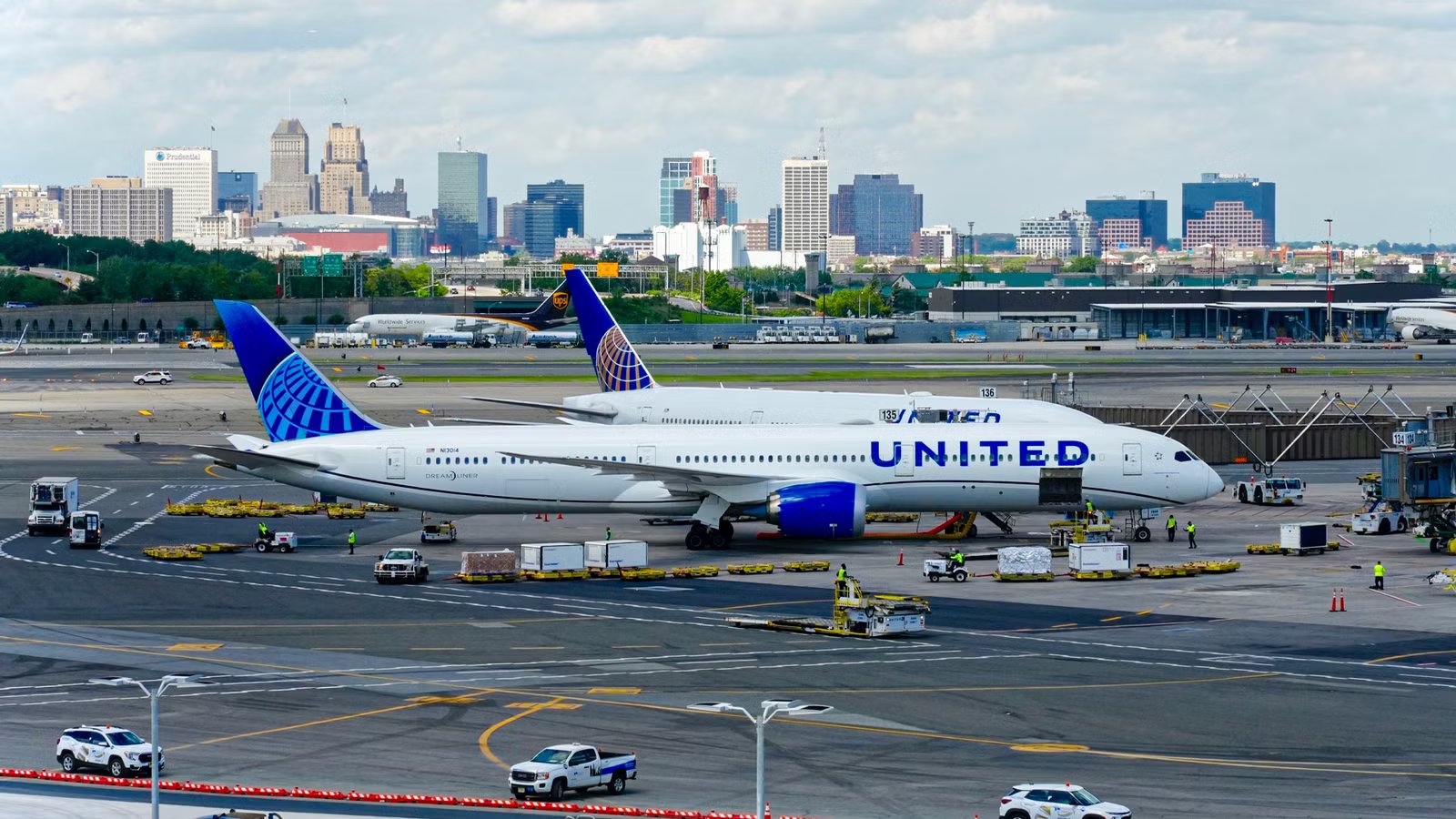
The COVID-19 pandemic was a crisis unlike anything the airline industry had ever seen. Travel was down more than 90% around the world, and airlines had no idea when demand could possibly begin to rise. In a situation where a company has suddenly lost nearly all of its revenue, the logical step would be to cut costs, helping to stop the bleeding. Most prominently, this includes dumping certain fleet types that may be uneconomical or don’t fit in with the rest of an airline’s types.
American famously retired the Airbus A330, Boeing 757, 767, Bombardier CRJ200, and Embraer E190, while Delta got rid of the Boeing 777, McDonnell Douglas MD-88, and MD-90.  United Airlines, however, bucked the trend by holding onto virtually all of its planes, and when travel demand unexpectedly returned rapidly, it was well positioned to leap ahead of its competitors. Today, United is winning, as it has held onto its strong advantage across the Pacific, while boosting its market share across the Atlantic.
United’s Fleet Strategy During COVID-19

Firstly, it’s important to note that United did retire some planes during the pandemic. Specifically, it removed a small subfleet of Pratt & Whitney-powered Boeing 757-200s, which were dedicated to transcontinental flying. These planes, which were aging, unreliable, and less capable than the former Continental 757-200s, never returned from the desert after the pandemic, and all of United’s 757s are now Rolls-Royce-powered models originally ordered by Continental Airlines.
While American in particular has faced criticism for the scale of its COVID fleet reductions, all of its retired types were small fleets of oddball aircraft, most of which were already scheduled to be retired in the near or distant future. Delta wasn’t planning to retire its 777 fleet, but it only had 18 of them split between two distinct variants (the 777-200ER and 777-200LR), each of which had different engines.
Although these two airlines were hampered in their ability to meet rising travel demand, it was sound decision-making during the depths of the pandemic. United Airlines, on the other hand, did not operate any true oddball fleets. Apart from the Pratt & Whitney-powered 757s, the only other aircraft in United’s fleet that somewhat match this description are its 16 Boeing 767-400ERs.
The 767-400ER has many part differences from the 767-300ER, and United’s 767-400ERs are powered by the General Electric CF6, whereas its 767-300ER feature Pratt & Whitney engines. These planes were placed into storage during the pandemic, but then returned to service once travel recovered. For United, there was less benefit in cutting its fleet compared to rivals.
The Results Of United’s Strategy

United already had a larger widebody fleet than its peers before the pandemic, and by keeping all of its planes, United could jump further ahead of American and Delta after travel demand rose. United retained its advantage in Asia and the South Pacific, but it made huge leaps in market share across the Atlantic.
Some highlights include launching services to Johannesburg from Newark, commencing a massive expansion into Spain, introducing new services from Washington-Dulles to Amman, and beginning new flights from Chicago to Athens (which was upgauged from a Boeing 787-8 to the 787-10). For years, United has been the market share leader from the US to Europe, displacing Delta Air Lines to the number two position.
Delta, however, is not sitting around, and its expansion for the 2026 summer season will see it retake the number one position regarding the number of seats sold. However, United will still operate more flights to Europe than any other US airline. This is because United operates several routes using narrowbody Boeing 737 MAX 8s and 757-200s, whereas all of Delta’s routes to continental Europe use widebodies.
United will serve a total of 36 destinations in Europe for the 2026 summer season, whereas Delta will serve 28 European airports. 14 of these destinations are not served by another US carrier, and United has focused particularly heavily on Southern Europe, including six destinations in Portugal, five in Spain, and six in Italy. As a point of comparison, Delta only serves two airports each in Portugal and Spain, while serving five airports in Italy, and nearly all of its destinations are also served by either American, United, or both.
Why In The World Does United Airlines Fly The Boeing 787-10 And Not The Airbus A350-1000?
United flies the 787 but not the A350 because the A350 order has not yet been fulfilled. Meanwhile, it inherited a Continental Airlines order.
United’s Long-Haul Strategy Going Forward

United keeping all of its widebodies during the pandemic was a bold move, but even more daringly, the carrier ordered 270 narrowbodies in 2021, as well as 100 Boeing 787s with 100 options in 2022. The carrier exercised 50 of these options, and its total order of 150 787s is enough to fully replace its Boeing 767, 777-200, and 777-200ER fleets with growth as well. United also has orders for 45 Airbus A350-900s, which, in all likelihood, will be canceled and replaced by exercising more 787 options.
United was able to maintain a significantly larger widebody fleet than its competitors throughout the 2010s, and in 2024, the carrier began taking delivery of new 787s. It’s taken ten 787-9s in its standard layout, and it’s now receiving Dreamliners in a premium-heavy layout with 64 Polaris Suites and 35 Premium Plus seats, more than any aircraft in United’s fleet. The carrier has yet to retire any Boeing 767s or 777s, although it will soon start retiring older examples of these fleet types.
Current United Airlines Widebody Fleet | Variants |
|---|---|
53 Boeing 767s | 37 767-300ERs |
16 767-400ERs | |
96 Boeing 777s | 19 777-200s |
55 777-200ERs | |
22 777-300ERs | |
87 Boeing 787s | 12 787-8s |
54 787-9s | |
21 787-10s |
While United’s widebody growth plans are ambitious, it’s also expanding the use of the Boeing 737 MAX 8 across the Atlantic while relying on the Boeing 757-200 for routes to smaller European destinations. The carrier has just recently taken delivery of its first Airbus A321XLR and will soon begin receiving Airbus A321neos in a three-class layout for premium transcontinental routes, intending to operate 50 of each. These 100 planes will replace 40 757-200s that perform diverse duties today.
What Delta Is Currently Doing

 Delta Air Lines has always been a fierce competitor across the Atlantic, while relying heavily on its joint venture partner Korean Air for trans-Pacific routes. However, its latest pilot contract language requires that the Atlanta-based carrier matches the amount of widebody flying performed by its metal-neutral joint venture partners to the US. Because the language specifically covers widebody flying, Delta no longer deploys its 757-200s to Europe since it doesn’t count towards scope flying, and it has not ordered the A321XLR.
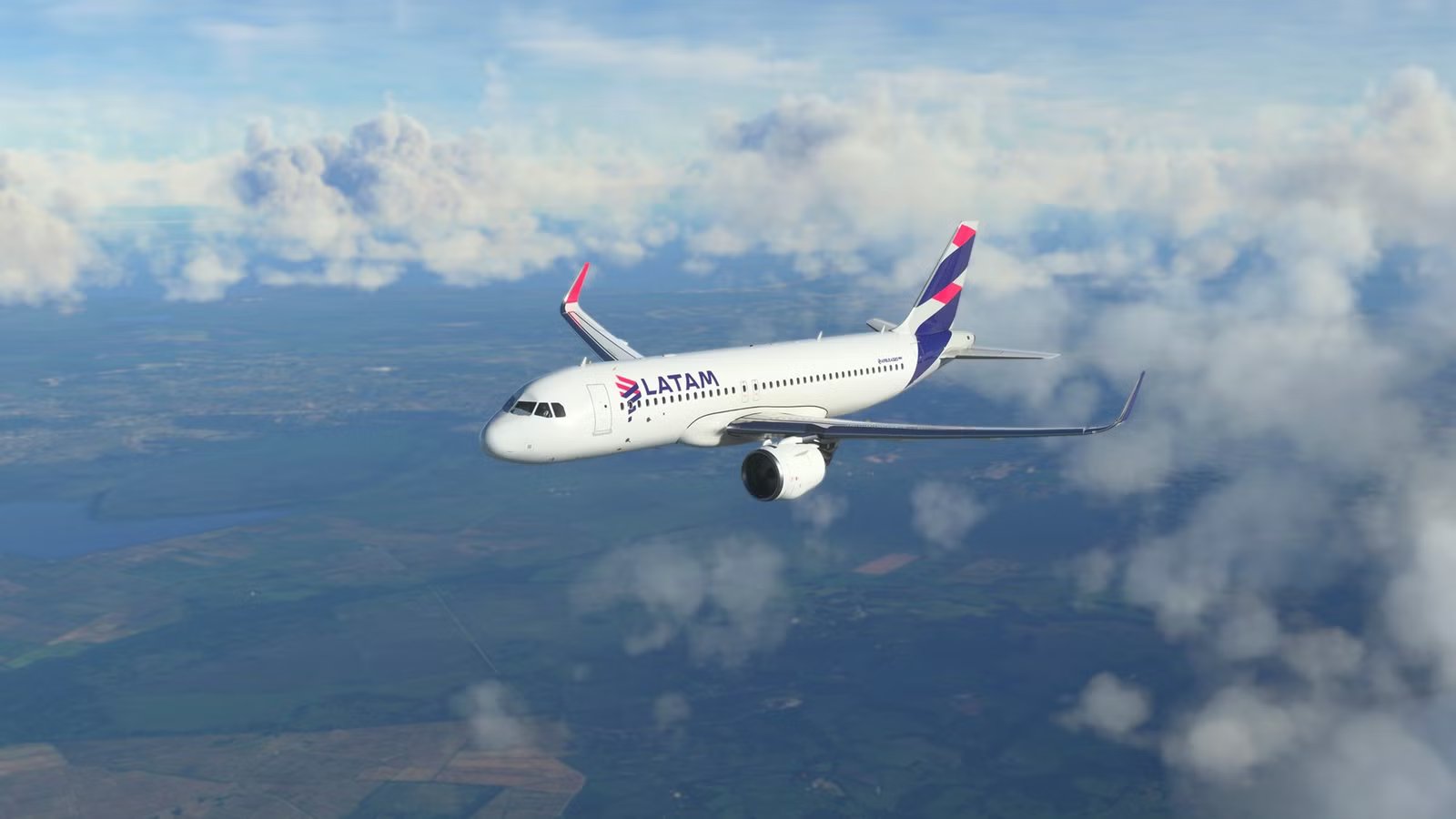
With Delta lacking 18 Boeing 777s after the pandemic, the airline elected to lease seven used A350-900s formerly flown by LATAM, later adding another two units. In addition, Delta has upped its A330-900 and A350-900 orders, while also ordering 20 A350-1000s. The carrier is actively retiring its 767-300ERs, and the A350-900s are meant to displace A330-900s currently operating across the Pacific. With these changes, Delta will only fly A350s across the Pacific.
Meanwhile, it will grow its transatlantic network with the A330-900 and also remove its aging 767-300ERs. Delta has long been conservative with costly long-haul flying, but the new pilot scope language and generally high demand for premium international travel have necessitated a change in strategy.
While Europe is as important as ever, Delta has been particularly focused on expanding across the Pacific. Over the past few years, the airline has commenced services to Brisbane, Melbourne, Auckland, and Taipei, while it will soon return to Hong Kong. In addition, the airline plans to launch services to Riyadh in October, while also looking to start serving Manila and India in the distant future.

Which Airline Has The Most Available Seat Kilometers In The US?
Over 507 billion annual seat kilometers are being flown by just this one carrier.
Where American Airlines Stands Today

 American Airlines has been heavily criticized for its COVID fleet retirements, as the airline has fallen significantly behind its competitors. It has yet to restore its twin-aisle fleet to pre-COVID levels, and although its A330-300s, 757-200s, and 767-300ERs were aging, the 15 A330-200s were all young. American hasn’t ordered new widebodies since 2018, and it’s taken delivery of 17 new 787-8s since 2020, which has generally been unpopular as its small size means that revenue potential is limited.
However, what’s notable is that the carrier also deferred deliveries of its 787s. With this and its lack of any subsequent twin-aisle orders, it’s clear that American doesn’t see a place for many more widebodies than it currently has. In addition, American has also been reporting far lower profits than its peers, and has opted to refurbish its Boeing 777-200ER fleet rather than replace it like United has.
As such, a new widebody order doesn’t appear to be coming anytime soon, while expansion will be coming from the 19 787-9s that it has on order. The merits of American’s strategy are a topic of debate, but the Dallas-based carrier has long been focused on domestic flying, while just serving the European and Asian destinations that it needs to.
Of course, American can also do this because its European metal-neutral joint venture partner is British Airways, located in London, while its Asian transpacific joint venture partner is JAL, based in Tokyo. London is ideally located for connections to other European destinations, and while United’s primary Asian partner is ANA, the carrier has a fortress hub in San Francisco with huge local demand to Asia.