dailynewsnblog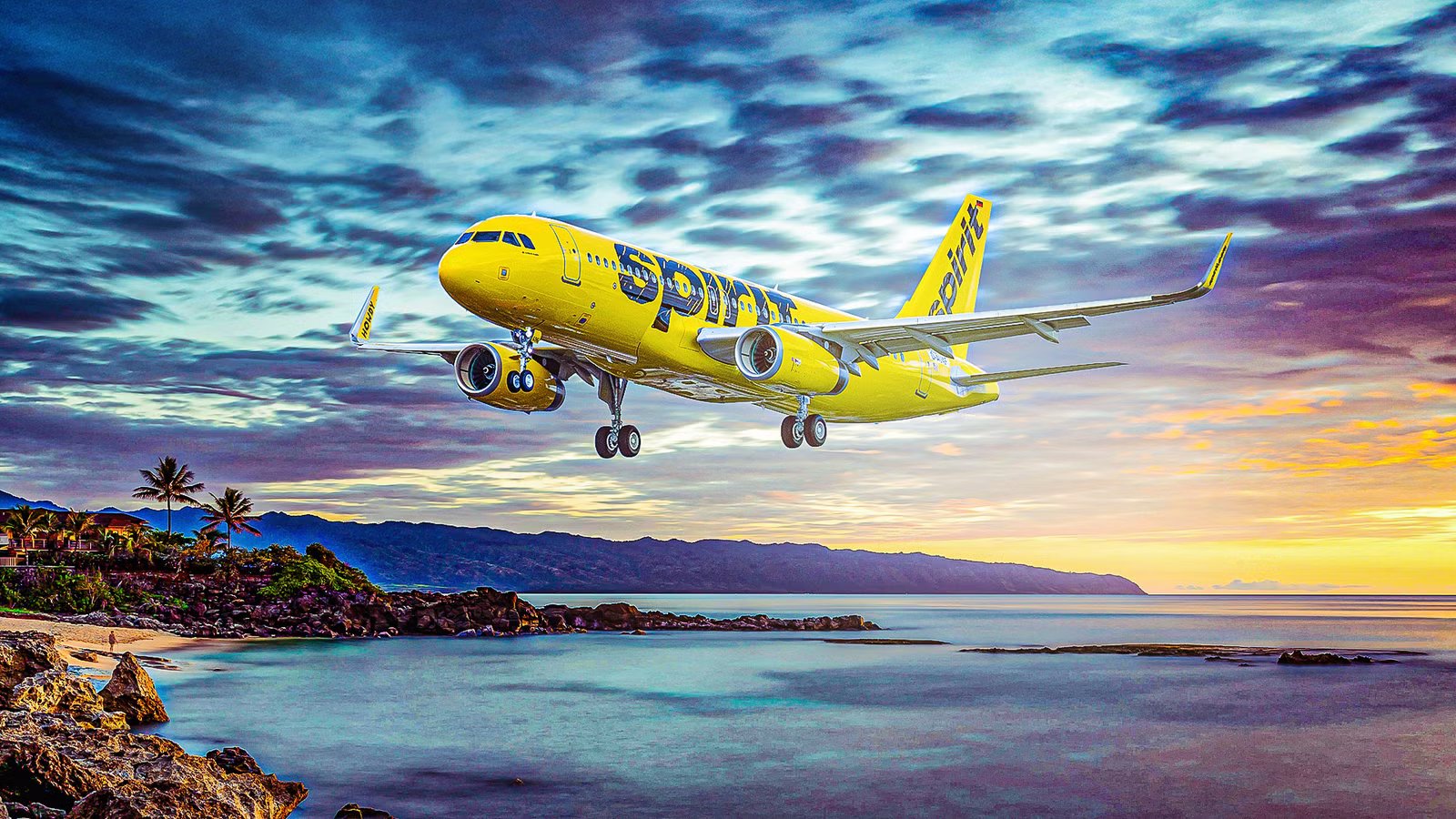
 Turkish Airlines could be eyeing up the acquisition of between seven and ten ex-Spirit Airlines aircraft. These could offer the airline an immediate capacity boost as the wait for new aircraft direct from the manufacturer could be delayed for years. Turkish Chairman of the Board Murat Şeker confirmed his interest to the Financial Times.
Talks to acquire the ex-Spirit planes are quite complex, and the airline stressed that while demand for air travel is still strong, the ongoing pressures from the 2026 Iran Crisis, and the increased cost of jet fuel have forced the airline to cut 21 routes from its network of more than 350 destinations.
Up To Ten Spirit Airlines Airbus A320s Could Soon Be Flying For Turkish Airlines

Turkish is one of the largest airlines in the world, when measured by the number of destinations served. It currently holds the title for the airline with the largest international network, serving a total of 132 countries across six continents. It has an extensive reach into the likes of Europe, Asia, and Africa.
The airline is not immune to aircraft order and delivery delays, with the carrier waiting for deliveries from both Airbus and Boeing. This has led the carrier to look elsewhere to acquire aircraft, which has seen the  Star Alliance carrier look to the planes left behind by defunct Spirit. According to the Financial Times, the discussions are ongoing with the leasing companies of these aircraft, the negotiations remain difficult, and are ‘on hold’ until the Iran situation subsides.
As already mentioned, the airline’s hub is geographically located well that can support its global dominating network, and is a popular choice among travelers from around the world due to its extensive network and high frequency of services to and from its home at  Istanbul Airport (IST).
A Quick Option to Secure Available Aircraft

Should Turkish Airlines proceed with acquiring Spirit aircraft, this would offer an immediate boost to capacity for the airline. These planes could be relocated to Istanbul quickly and would be relatively easy to repaint and reconfigure to the carriers standards. The airline is already familiar with the type, with 22 in its fleet. These are configured as below, as per ch-aviation:
|
Configuration |
Number Of Seats |
|---|---|
|
Configuration One |
159 economy |
|
Configuration Two |
180 economy |
|
Configuration Three |
186 economy |
In addition to the A320, Turkish also operates a fleet of Airbus A319-100, A321neo, and A320-200 as part of the wider A320 family. This makes up its total Airbus narrow-body fleet, with Boeing narrowbodies also being prominent in the carriers network with around 80, including the 737-800, 737-900, 737 MAX 8, and 737 MAX 9.
Supporting the airline’s widebody operations, including the A330-200, A330-300, A350-900, 777-300, and 787-9. For cargo-only operations, these are operated by the 777 freighter.

Turkish Airlines Suspends Flights To 23 Cities Worldwide [Full List]
They include destinations in Europe and the Americas. See all the places here!
The Aircraft Order Book At Turkish Airlines

Turkish Airlines is showing a few signs of slowing down its overall growth (despite the Iran crisis), and has over 320 aircraft on order between Airbus and Boeing. With 190 A321neo, these will transform the airline’s short and medium-haul operations, with the capacity to carry up to 190 passengers. Some of these aircraft transferred to the airline’s subsidiary AJet.
For widebody flights, the A350-900 is gradually being delivered to Turkish, with the airline expecting another 60 on order. Additionally, the airline has signed for up to 15 A350-1000, which it is planning to utilize for non-stop ultra-long-haul flights to Australia, New Zealand, and South America. 40 more Boeing 787-9 and 15 787-10 are also on order, with deliveries expected for the 787-9 specifically from 2029.
While the lure of available aircraft sitting idle from the collapse of Spirit, the situation remains complex, and it appears Turkish Airlines isn’t overly keen on committing immediately. As the global situation continues to develop, the airline appears to be ready and waiting to potentially acquire these planes when the timing is right.