dailynewsnblog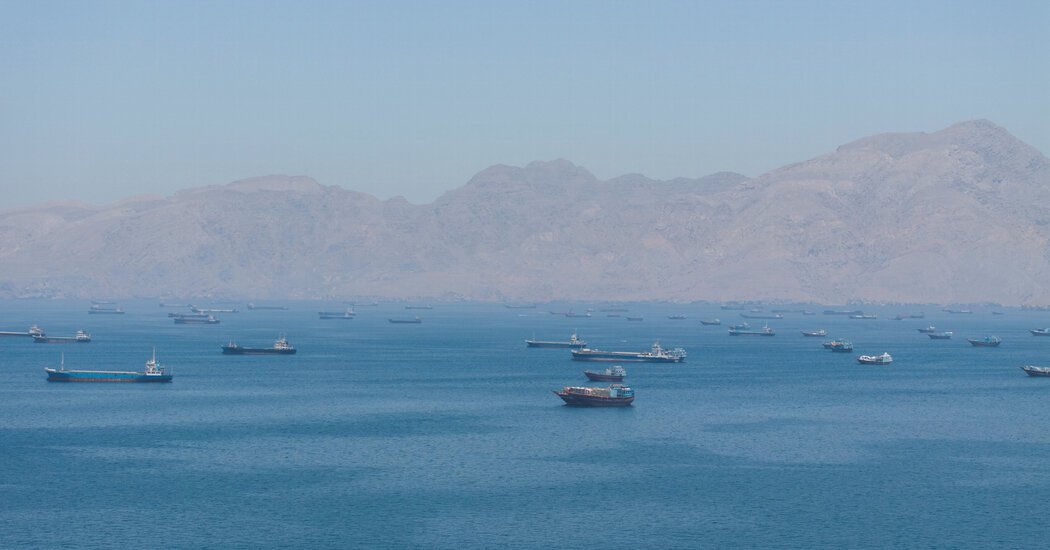
Iranian state television on Wednesday released what it said were details of “an initial, unofficial document” outlining the framework for an agreement between Iran and the United States that would reopen the Strait of Hormuz to shipping traffic.
The White House immediately dismissed the report as a “complete fabrication,” and it was not clear whether the United States and Iran were any closer to an agreement.
Iran’s state broadcaster, IRIB, said that under the framework, Iran would allow shipping to resume through the strait in return for an end to the U.S. naval blockade on Iranian ports. For days, the two sides have been alternating between renewing hostilities and issuing positive signals.
In its framing of the draft, the broadcaster presented it as a broad victory for Iran while cautioning that it was not final.
The report said that, under the agreement, commercial marine traffic would return to prewar levels within a month of the framework’s implementation. It also said that Iran would handle the strait’s management in cooperation with the Gulf state of Oman, a U.S. ally.
The reopening of the strait was the only one of the five main sticking points in negotiations that was mentioned in the brief report. The waterway is a crucial route for the world’s oil and gas that Iran has effectively closed since March. There was no reference to the future of Iran’s nuclear program and its stockpile of enriched uranium.
The report said the framework included a U.S. pledge to “withdraw its military forces from the areas surrounding Iran” without specifying the geographic area included. The United States has a number of military sites in neighboring Iraq and nearby Gulf countries. Some mediators involved in the talks have said it was inconceivable that the United States would withdraw its pre-existing military presence.
“Whether this includes forces newly deployed to the region or only permanent base personnel remains subject to negotiation,” the report said.
If a final deal is reached within 60 days, the Iranian broadcaster reported, it will then be approved with a United Nations Security Council resolution.
Since the weekend, the Trump administration has vacillated between talk of progress on a deal and threats of renewed strikes.
On Monday, American officials said U.S. forces had struck missile launch sites in Iran and boats trying to lay mines. The next day, top Iranian officials accused the United States of violating a cease-fire agreement reached in April, saying that they would respond forcefully.