dailynewsnblog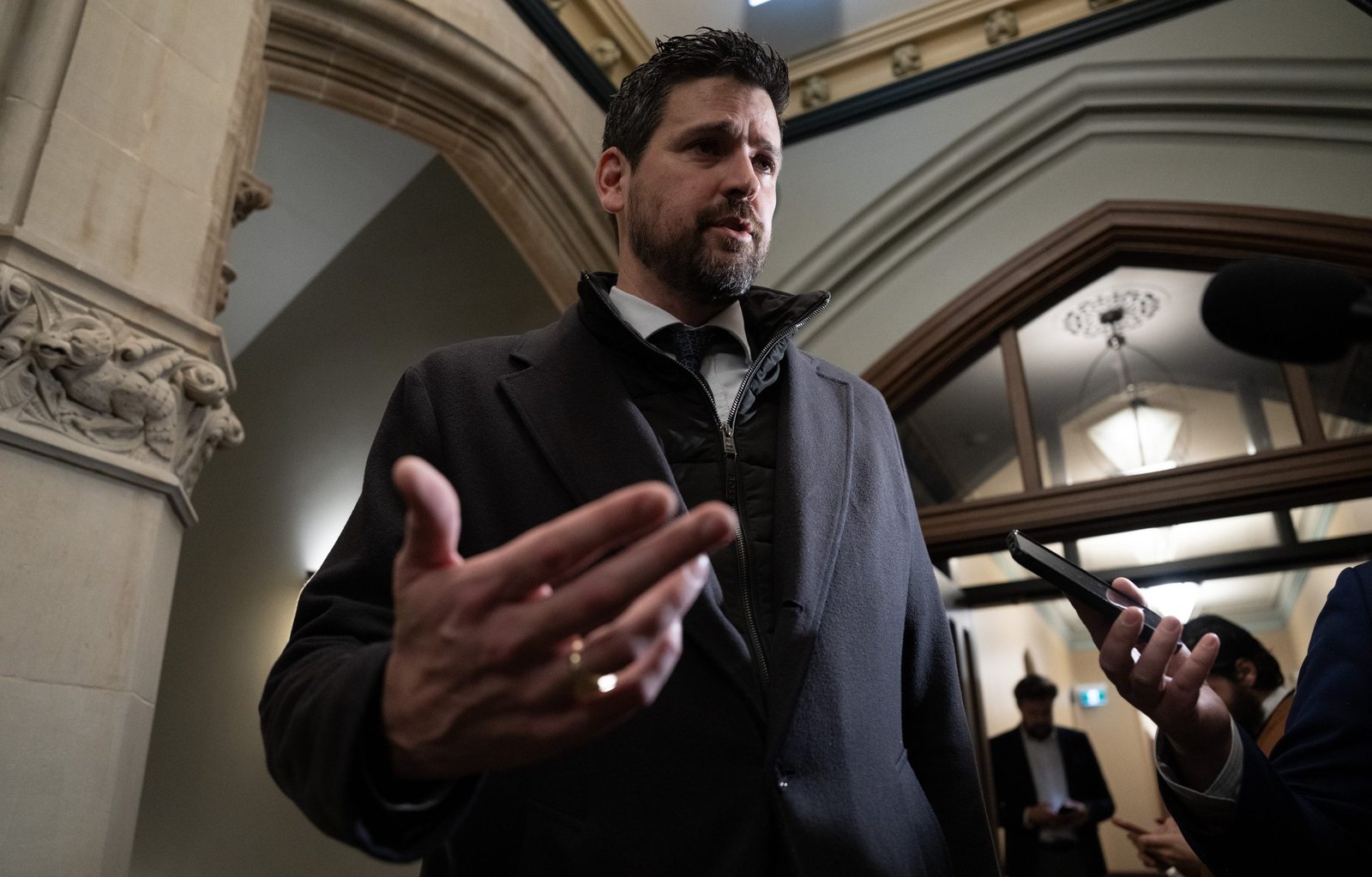
“We have an opportunity to offer protections to people who are at risk, and I hope we take every opportunity to ensure [that].”
It’s the final stretch of the spring sitting, and parliamentarians are set to spend the last four weeks before the summer recess looking to pass key government legislation such as a major criminal justice bill that would criminalize coercive control and threatening to distribute intimate photos, including deepfakes.
Bill C-16 passed earlier this month at the House justice committee, but will need to clear report stage and third reading before moving to the Senate.
READ MORE: Liberals question Senate’s handling of bail reform bill
As iPolitics exclusively reported, government officials have expressed frustration with the Senate’s pace in passing legislation, including the landmark bail bill that was supported by the Liberals and Conservatives, as well as provincial premiers and local police chiefs.
Soon after the first stories went live, senators agreed to sit during the break last week to begin committee study of the government’s anti-hate bill, known as C-9.
Justice Minister Sean Fraser told iPolitics on Tuesday that it was important to pass C-16 before the summer recess because of the protections it will offer victims and young people — not simply to comply with the parliamentary calendar.
“The real reason that I’m hoping we can accelerate the adoption of C-16 is to offer protection to people over the course of the next number of months when the House and Senate breaks for the summer,” he said before heading into Tuesday’s cabinet meeting.
Fraser added that C-16 needed to pass urgently because its changes could “potentially save lives,” pointing to measures cracking down on AI deepfakes and codifying femicide, including elevating any homicides that involve coercive control, hate, sexual violence or exploitation to first-degree.
READ MORE: Criticism grows at Senate’s pace handling key bills as spring sitting enters final stretch
He said failing to pass the bill before the summer would cost the government valuable time in preparing the justice system to adapt to the criminalization of coercive control, with these new measures to come into force two years after C-16 becomes law.
“We literally have judges from the bench stating that this is clearly morally reprehensible behaviour that needs to come to an end, but points out the fact that they are not the officers of the Criminal Code,” Fraser said.
“We have an opportunity to offer protections to people who are at risk, and I hope we take every opportunity to ensure [that].”
Despite criticism from some government officials, Fraser called senators “excellent partners” in handling criminal justice legislation and thanked members of the Senate human rights committee for sitting on a break week to begin study on C-9.
It’s not clear where C-16 ranks amongst the government’s priorities in advance of the summer recess.
While the estimates must pass before the break, the Liberals haven’t laid out a list of bills that they want to pass prior to the end of the sitting.
However, Prime Minister Mark Carney has singled out legislation making Build Canada Homes a Crown corporation as a priority, and the Liberals recently voted to fast-track legislation implementing the spring economic update.
READ MORE: Senate’s handling of energy efficiency bill slowing plans to introduce consumer rebates, says government source
The Liberals’ three criminal justice bills – C-9, C-16 and C-14, which makes changes to bail law — are likely top priorities, with the bills either direct campaign commitments or responses from calls from premiers.
Government sources have also told iPolitics that the Senate’s slow pace in passing energy efficiency legislation has thrown a wrench in plans to roll out new consumer rebates.
Then there’s Bill S-2, which would make changes to comply with a B.C. court decision ordering Ottawa to restore Indian status to the descendants of enfranchised First Nations peoples. Originally, the feds had until April 2026 to make those changes, but the government requested a six-month extension, saying Senate changes to the bill ending the second-generation cutoff complicated the process.
As iPolitics reported last week, the government’s request was rejected, though Ottawa has a 30-day window to appeal, holding off the immediate reimplementation of the deadline.
READ MORE: Feds lose bid for court extension of Nicholas ruling
S-2 is currently before the House Indigenous and northern affairs committee. The next committee meeting on the bill is set for Thursday.