dailynewsnblog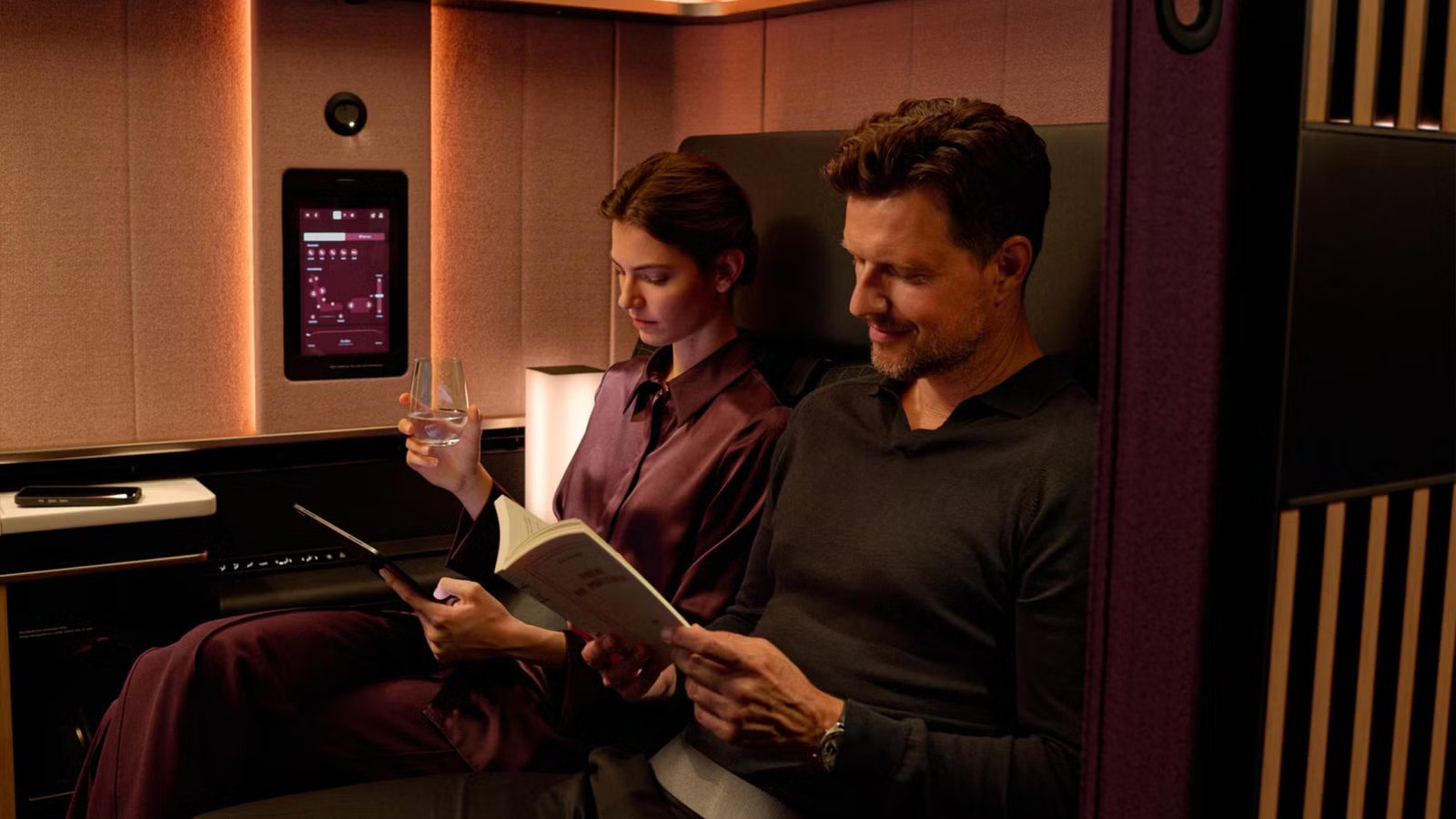
The divide between high-tier travel options has shifted significantly over the last decade, sparking strong debate among frequent flyers regarding whether the financial premium for top-tier tickets is truly justified. On short continental hops, the distinctions can often seem nominal, restricted to a slightly wider armrest or an extra complimentary beverage. However, when crossing multiple oceans on ultra-long-haul sectors extending well past 12 hours, those incremental upgrades compound into entirely distinct travel experiences. This guide analyzes where the boundaries are drawn, highlighting the practical realities of high-end commercial aviation.
A lie-flat seat has long been the ultimate differentiator, but modern cabin configurations have democratized that luxury across almost all long-haul corporate fleets. To justify a top-tier fare in the current market, carriers must offer an experience that feels more like a hotel than just a seat on a plane. How can business class and first class actually be differentiated today?
What To Do With The Premium Space?

The rapid evolution of business class seating has forced aviation designers to rethink the entire geometry of the premium cabin. Today, the vast majority of modern intercontinental business class configurations guarantee direct aisle access and fully flat beds as an industry baseline. This upgrade means that the basic physical comfort that once defined top-tier travel has become a mass-market expectation, compelling airlines to innovate further up the luxury ladder to maintain a distinct premium product.
To preserve the exclusivity of their premier offerings, several leading carriers have turned to full-height closing doors and modular suite architecture. Prominent business class cabins, such as  Qatar Airways’ Qsuite or ANA’s The Room, now incorporate sliding privacy partitions, but true top-tier travel retains its edge through absolute volume and low passenger density. A business class cabin may squeeze 40 to 76 suites into a single upper deck, whereas elite cabins are tightly restricted, creating an environment much more akin to a private club.
This spatial contrast directly dictates the level of individual attention a passenger receives throughout a long flight.  Emirates’ Airbus A380 first class cabin features just 14 enclosed suites, each served by a dedicated team, establishing an intimate 1:2 crew-to-passenger ratio. In contrast, the business class cabin on the exact same double-decker aircraft scales up to roughly a 1:6 ratio, creating a more structured, high-volume service environment, very different from the highly tailored pacing of the forward cabin.
Eat What You Want, When You Want

In a standard business class cabin, the flight attendants operate on a carefully synchronized timeline, delivering multi-course meals to dozens of passengers at fixed intervals after takeoff. The culinary quality is typically high, but this structured approach can become an operational hindrance on ultra-long-haul flights where travelers are actively managing severe jet lag across wildly disparate time zones. If a passenger needs to sleep immediately, then a rigid meal service can severely disrupt their circadian rhythm.
True premier travel entirely flips this logistical dynamic by introducing comprehensive dining-on-demand programs. Those travelers onboard a far more premium first and business product retain total autonomy over their internal clock, ordering complex, multi-course meals whenever they feel hungry rather than when the galley cart rolls down the aisle. The onboard chefs prepare dishes to order, and the beverage programs frequently jump from standard premium labels to historic vintage champagnes and highly curated caviar presentations reserved for the front row.
For international business travelers, this absolute control over sleep and nutrition is often cited as the single most practical justification for an upgraded ticket. Instead of waking up to the noise and light of a collective breakfast service, a passenger can rest undisturbed through the final hours of transit, choosing to dine just 45 minutes before descent. It is precisely this level of personalization that transforms the flight from a series of scheduled interruptions into a seamless, productive extension of the passenger’s personal routine.
What Are The Benefits Of Flying First Class?
Discover the secrets of first class travel and whether its perks extend beyond mere indulgence.
A Destination Before The Flight Even Leaves

The differentiation between these two tiers actually begins long before the aircraft’s engines are started, manifesting as a stark operational separation at the airport terminal. Business class tickets grant access to expedited security lines and shared premium lounges; those spaces remain high-volume environments that often host hundreds of passengers during peak departure banks. On a busy evening in Heathrow or Doha, for example, a standard lounge can mirror the frantic energy of the main concourse, offering minimal insulation from travel stress.
At the absolute peak of the market, carriers bypass the traditional airport infrastructure entirely to offer private ground enclaves. A prime example of this is  Lufthansa’s dedicated First Class Terminal in Frankfurt, which we have an in-depth review of. This facility operates as an entirely standalone building, completely removed from the main terminal chaos, featuring private security screening, dedicated immigration officers, a high-end restaurant, a cigar lounge, and private sleeping rooms with daybeds.
Instead of navigating crowded gates and waiting in jetway lines, many premier passengers are driven directly across the active tarmac to the side of the aircraft in a chauffeured luxury vehicle. This asphalt-level transfer ensures that an elite traveler never has to rub shoulders with the general public, creating a seamless bubble of privacy that extends directly from the curb to the aircraft door.
Are Premium Cabins Vanishing?

Looking across the market landscape of today, the availability of true top-tier cabins is shrinking geographically, becoming ever more like a highly specialized regional product. The traditional three-class configuration has essentially vanished from the domestic and intercontinental fleets of global carriers, such as  American Airlines, which has moved to remove its own first class product. These airlines have determined that modern, high-density business class products generate far more consistent corporate revenue per square inch than a low-density, hyper-expensive forward cabin.
Catch what other flight trackers miss
Emergency squawks, holds, NOTAMs — live signals, no signup.
Open tracker
Catch what other flight trackers miss
Emergency squawks, holds, NOTAMs — live signals, no signup.
Open tracker
Consequently, the remaining strongholds for elite travel are concentrated in East Asia, the Middle East, and select pockets of Western Europe. Travel And Tour World notes that legacy flag carriers, including Emirates,  Singapore Airlines, All Nippon Airways, Japan Airlines, Lufthansa,
  Air France, Cathay Pacific, and
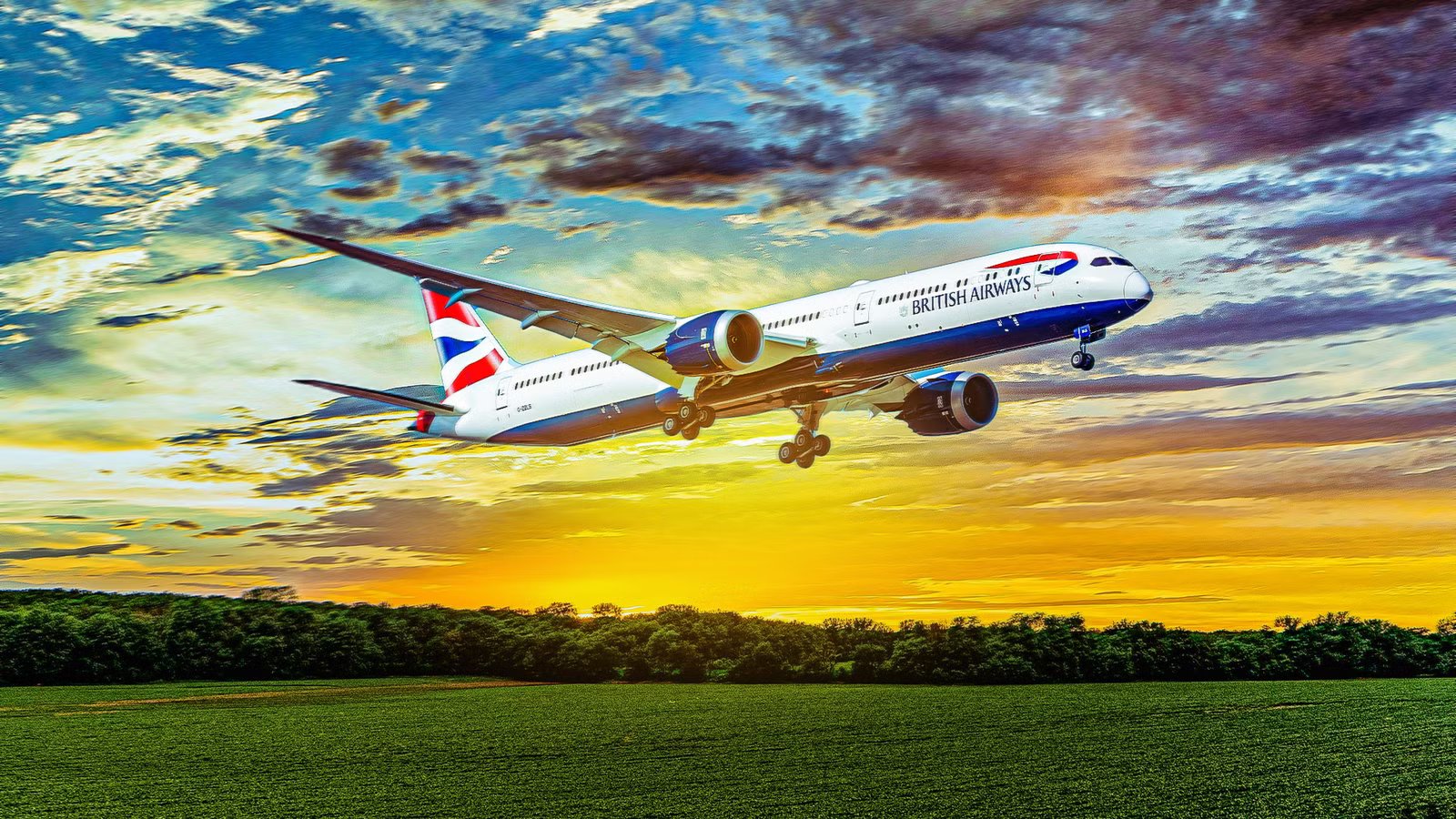
  British Airways, are the primary institutions continuing to invest massive capital into next-generation premier suites. For these brands, maintaining a flagship cabin is a vital branding tool that elevates their entire global reputation, especially amid strong competition from rising low-cost carriers as well as emerging boutique startups.
Regional concentration means that passengers seeking a classic elite experience must deliberately align their itineraries with specific long-haul corridors. For example, a flight from New York to Dubai or Tokyo remains an active showcase for the industry’s most advanced hardware. On these routes, the presence of a top-tier cabin allows carriers to attract ultra-high-net-worth individuals and corporate executives who refuse to settle for the standardized layout of a contemporary business class cabin.

Here’s What Cabin Crew Notice About Passengers Flying Business Class For The 1st Time
Premium cabin demand has only continued to grow.
The Sweet Spot

When analyzing the financial mechanics of ultra-long-haul travel, the discrepancy between the two premium tiers becomes a stark study in the law of diminishing returns. Pricing on Expedia indicates that on a standard high-demand route like New York to Dubai, a business class ticket typically costs between $6,000 and $8,000 for a one-way ticket. A premier suite on that exact same flight skyrockets to a bracket between $12,000 and $22,000, presenting a massive capital chasm for corporate travel planners to evaluate.
The current pricing structure shows that business class delivers roughly 80% to 85% of the total physical comfort and operational utility of a flight at only 40% to 55% of the out-of-pocket cash price. For the vast majority of corporate accounts and logical travelers, that math makes business class the definitive sweet spot for long-haul productivity, when taking everything into account. The final 15% of the experience, the private terminal buildings, the vintage champagnes, the unlinked cabin spacing, and the on-demand dining, come at an exponential financial premium.
Ultimately, the choice to cross that financial line depends entirely on how an individual or an organization values absolute privacy and time management. For a traveler whose schedule demands peak cognitive performance immediately upon stepping off a 16-hour flight, the ability to control every variable of their environment can justify the cost. For others, the modern business class suite remains a highly capable space that easily outperforms the best travel experiences of previous generations.
The Gap Continues To Widen

The long-term survival of the traditional elite cabin remains tied to a very specific demographic of global traveler. Many industry commentators have repeatedly predicted the total extinction of the first class product. However, the sustained demand from ultra-high-net-worth individuals has kept the concept alive. Airlines are recognizing that a small, highly insulated segment of the market is entirely protected from economic headwinds and is willing to pay almost any price for total isolation.
Rather than abandoning the concept, forward-thinking carriers are choosing to shrink the footprint of these cabins while drastically increasing their luxury quotient. The future will likely see a move toward ultra-exclusive, single-row configurations consisting of just two to four massive apartments on widebody aircraft, replacing the traditional eight-to-fourteen-seat layouts. It would allow airlines to minimize the weight penalty on next-generation twins like the Boeing 777X while still catering to high-net-worth individuals, corporate titans, and celebrities who view a business class cabin as unacceptably crowded.
The striking differences between these two tiers will therefore continue to widen on an experiential level, even as their basic seating hardware appears superficially similar. As long as global hubs maintain private, gated ecosystems on the ground and elite crews continue to offer uncompromised, bespoke service in the air, the top tier of commercial flight will remain an independent realm. It exists as a testament to the fact that in a world focused on efficiency and high-volume logistics, absolute luxury is defined by the luxury of total control.