dailynewsnblog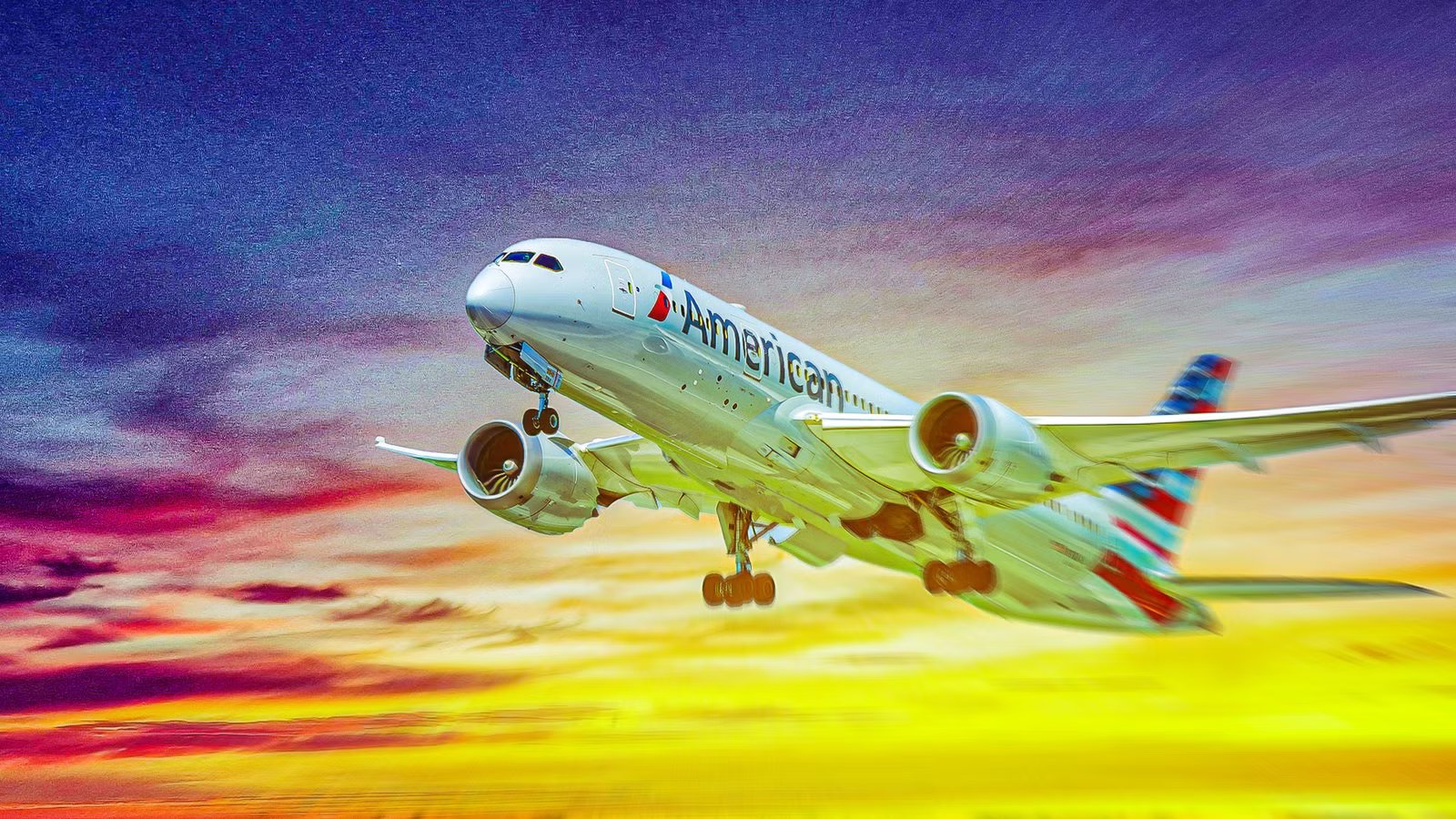
 American Airlines has launched four new European routes this week as it prepares for what it is calling a record-breaking summer. The new nonstop flights from
  Philadelphia International Airport (PHL) to Budapest and Prague, alongside new
  Dallas/Fort Worth International Airport (DFW) services to Athens and Zurich will give American up to 70 daily flights from the US to Europe this summer. .
But buried inside this broader European expansion is a sharper competitive story. American’s return to Václav Havel Airport Prague (PRG) puts it into direct competition with  Delta Air Lines, which has had the US–Czechia nonstop market largely to itself in recent years. Delta’s route from
  John F. Kennedy International Airport (JFK) has been one of the best-loaded long-haul flights in its entire network, but American’s new service from Philadelphia will present a genuine challenge to that.
American Launches Four New European Routes

American’s four new transatlantic routes all launched yesterday, coinciding with the first day of the airline’s summer travel season. From Philadelphia, the airline is adding daily seasonal flights to Prague and Budapest Liszt Ferenc international Airport (BUD), both operated by the Boeing 787-8 Dreamliner. From DFW, American is adding new daily nonstops to Athens’ Eleftherios Venizelos International Airport (ATH) and Zurich Airport (ZRH), operated with a mix of Boeing 777-300ER and Boeing 777-200ER aircraft.
|
New American Airlines Route |
Hub |
Aircraft |
Frequency |
|---|---|---|---|
|
Philadelphia – Budapest |
PHL |
Boeing 787-8 Dreamliner |
Daily seasonal until October 3 |
|
Philadelphia – Prague |
PHL |
Boeing 787-8 Dreamliner |
Daily seasonal until October 3 |
|
Dallas/Fort Worth – Athens |
DFW |
Boeing 777-300ER / 777-200ER |
Daily seasonal until September 7 |
|
Dallas/Fort Worth – Zurich |
DFW |
Boeing 777-300ER / 777-200ER |
Daily seasonal until August 3 |
The Philadelphia additions are especially notable because Budapest and Prague are both new destinations in American’s global network. They also strengthen Philadelphia’s role as the airline’s main transatlantic gateway. American says its PHL hub offers nonstop service to more than 120 destinations worldwide this summer, including 19 across the Atlantic. The airline has also recently redesigned the Philadelphia schedule by expanding from six to seven connecting banks, spreading flights more evenly through the day and improving connections.
Meanwhile, the Dallas/Fort Worth additions are about adding more long-haul power to American’s largest hub. The airline says DFW offers more than 230 nonstop destinations and more than 930 peak daily departures. American has also moved DFW to a new 13-bank schedule, designed to reduce delays, improve connections, cut gate changes, and improve baggage performance.
American is therefore doing two things at once. It is using Philadelphia to add thinner, high-value European destinations that benefit from East Coast and Mid-Atlantic feed. At the same time, it is using DFW to connect a massive domestic catchment area to more long-haul international destinations. The result is a European push that is both strategic and opportunistic.
Prague Puts American In Direct Battle With Delta

Of the four new routes, Prague is the most interesting from a competitive perspective because it is where the airline is entering a market that Delta has quietly turned into a standout performer. American has previously served Prague from Philadelphia but ended the route in 2019.  United Airlines also exited its route to Prague from
  Newark Liberty International Airport (EWR), leaving Delta’s seasonal New York-JFK–Prague flight as the only US airline-operated nonstop service between the United States and Czechia.
That gave Delta a powerful niche. According to data from the Department of Transportation (DOT), Delta’s JFK–Prague route carried nearly 60,000 passengers and recorded a 94.1% load factor over the most recent 12 months of reporting. For a seasonal Central European route, that is an extraordinary result.
But the logic behind Delta’s success is not hard to understand. Prague is a strong leisure destination, has visiting-friends-and-relatives demand, and with only one US carrier flying nonstop, Delta could serve peak-season demand with a right-sized 767-300ER while avoiding a flood of extra capacity.
|
US–Prague Service |
Carrier |
Hub |
Aircraft |
Frequency |
|---|---|---|---|---|
|
New York-JFK – Prague |
Delta Air Lines |
JFK |
Boeing 767-300ER |
Daily seasonal until October 23 |
|
Philadelphia – Prague |
American Airlines |
PHL |
Boeing 787-8 Dreamliner |
Daily seasonal until October 3 |
American’s return to Prague changes that equation. This is not a direct battle from the same US airport, but it is a clear US-to-Czechia challenge. Delta will of course keep its key advantages of flying from the larger New York market, while also having the traction of being the sole operator to Prague for years. But American can route passengers through Philadelphia from across the East Coast, Southeast, and Midwest, and will be operating a newer, slightly higher-capacity aircraft (234 seats versus 216).
The key question is whether Delta’s 94.1% load factor reflected deep unmet demand or simply a shortage of seats. If the market was genuinely underserved, American may help grow total US–Prague traffic. If the route was full mainly due to limited capacity, Delta’s loads are likely to soften as American adds a daily 787-8 flight from Philadelphia. Delta clearly had a good thing going, and it will be interesting to see if Prague can support two US carriers at healthy yields.

9 Can’t‑Miss New Long‑Haul Routes American, Delta And United Will Launch In 2026
The three carriers are adding nearly 20 new long-haul routes, but these are the ones that really stand out.
American Is Building A More Resilient Summer Operation

The four new European routes are launching as American prepares for its largest summer schedule to date. The airline says its summer travel period runs from May 21 through September 8, during which it expects to carry 75 million customers across 750,000 flights. That would beat its previous summer record from 2019.
|
American Airlines Summer 2026 Metrics |
|
|---|---|
|
Summer travel period |
May 21–September 8 |
|
Expected customers |
75 million |
|
Scheduled flights |
750,000 |
|
Memorial Day weekend customers |
More than 4.2 million |
|
Memorial Day weekend flights |
More than 40,000 |
|
Most-traveled day |
July 17 |
|
Flights on July 17 |
6,995 |
|
New Europe routes launched May 21 |
4 |
|
US–Europe flights |
Up to 70 daily |
It is notable that American is projected to surpass its previous summer record from 2019 for the first time. But in doing so, the airline is also emphasizing that it is not just adding routes but also trying to operate its largest summer schedule reliably.
American says that much of the work has been done before the busiest travel days arrive. The airline points to offseason preventive maintenance, staffing in key locations, and efforts to prepare facilities for extreme summer weather. Those details matter because summer growth is only profitable if the airline can protect its operation when thunderstorms, heat, congestion, and full flights start putting pressure on the network.
Particularly noteworthy are the re-design around seven connecting banks in Philadelphia, and the new 13-bank structure at DFW. This is specifically geared towards reducing delays, improving baggage handling, reducing gate changes, and lowering the risk of missed connections. This is crucial for the new European routes, which will rely heavily on hub feed and connections from dozens of smaller markets across the US.
American has long trailed Delta and United in the transatlantic market, and it is no coincidence that it has also lagged both rivals on profitability. Adding new European routes and building its largest-ever summer schedule are important steps in the right direction, especially at a time when premium and long-haul international demand remain central to airline earnings.
But growth alone will not close the gap. If American is to have any realistic hope of catching up, it must prove that it can operate these routes smoothly, protect the customer experience, and turn its expanded European network into consistently profitable flying.