dailynewsnblog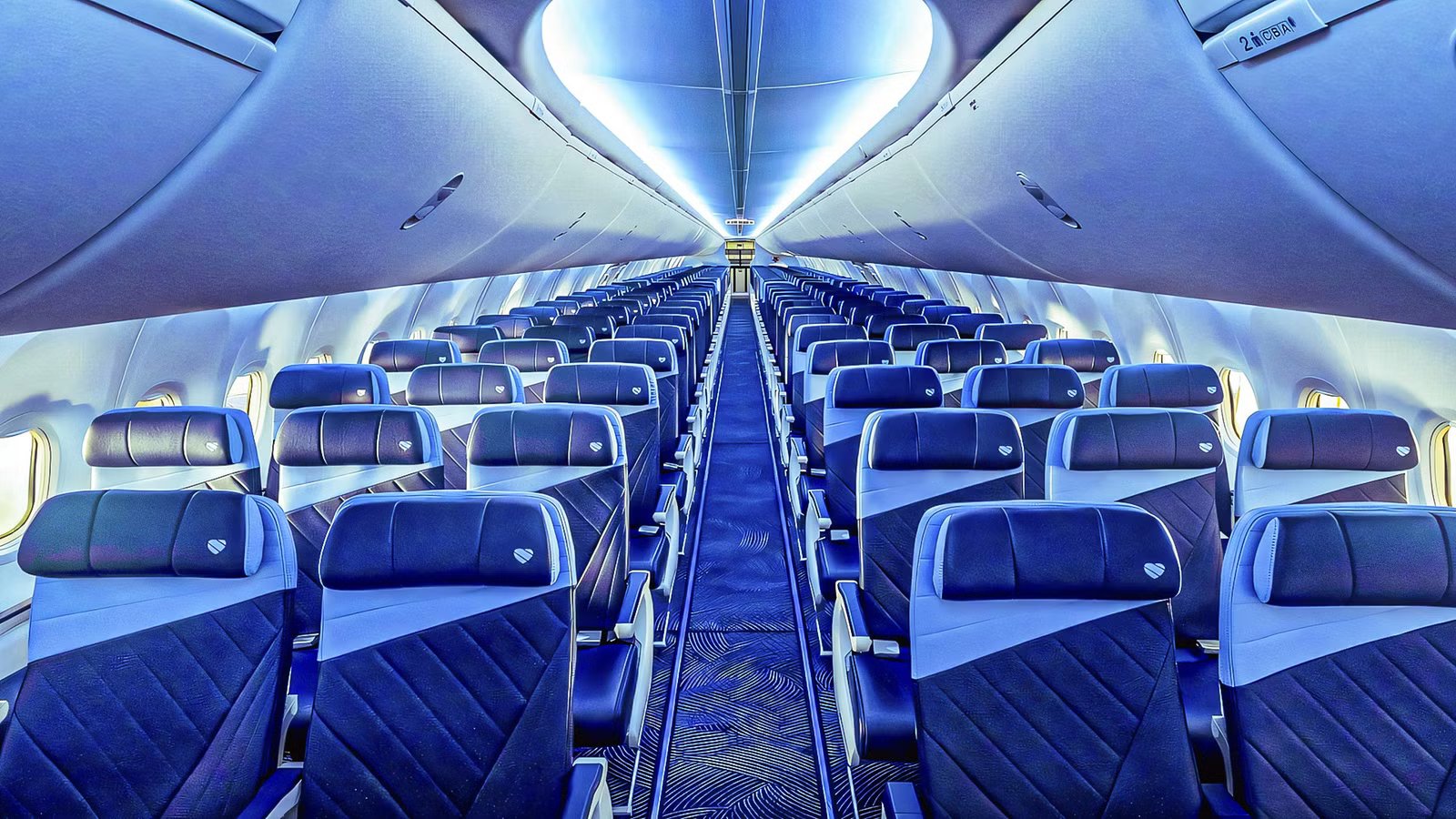
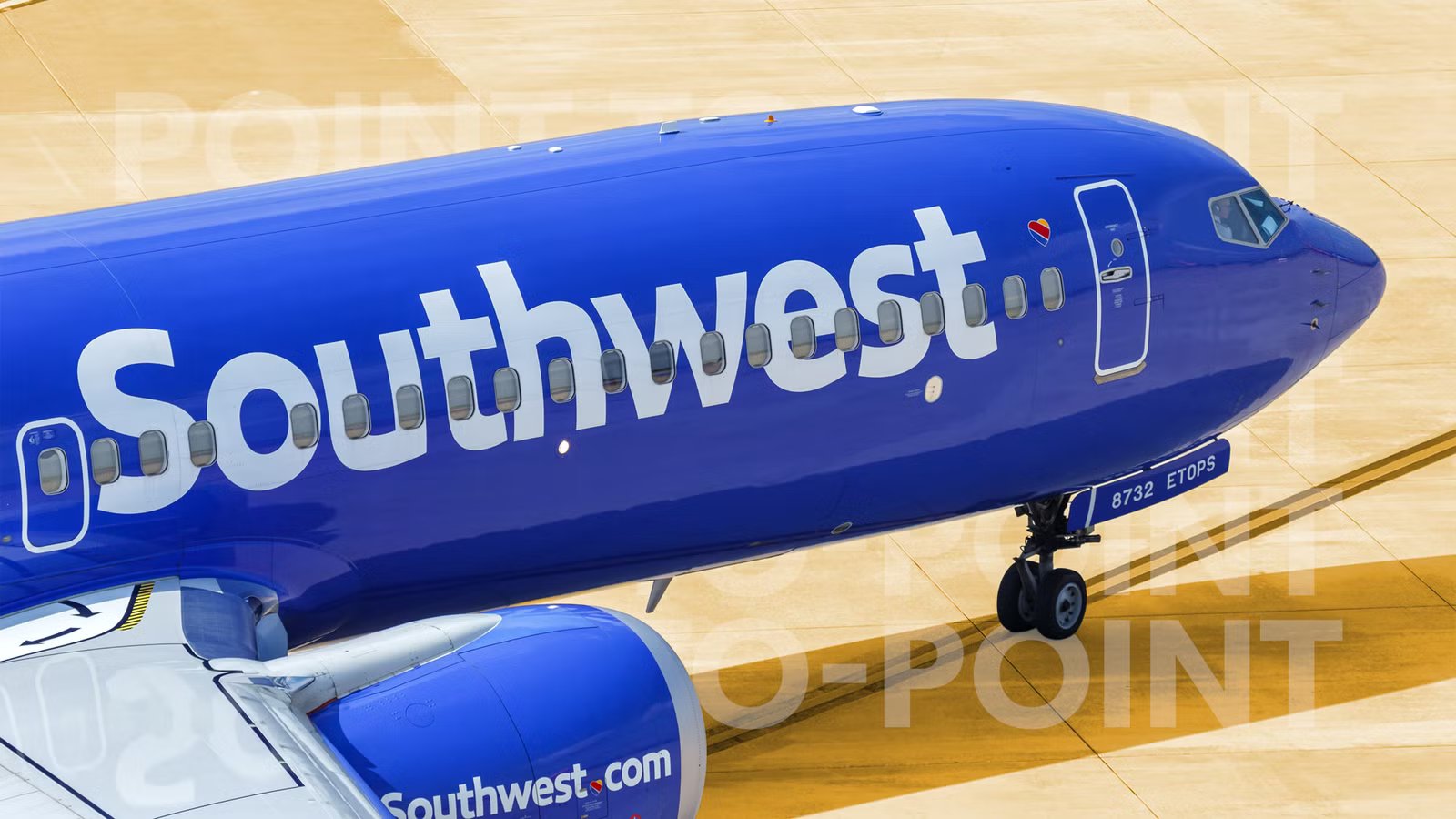
For more than five decades,  Southwest Airlines built its identity around a boarding process that looked unusual compared with the rest of the airline industry but delivered one major advantage – speed. Passengers boarded in groups, selected any available seat, and spread naturally throughout the cabin without stopping to search for assigned rows or designated overhead locker space. That system helped Southwest minimize ground time and maximize aircraft utilization across its Boeing 737 fleet.
When the airline officially abandoned open seating on January 27, 2026, in favor of assigned seating and eight boarding groups, most of the early conversation focused on customer complaints and nostalgia for the old system. What received far less attention was the operational impact of slowing down an airline that had spent 53 years designing its entire business model around rapid turnarounds, because even a few additional minutes per flight become significant when multiplied across more than 800 aircraft operating short-haul schedules all day long. Let’s take a closer look…
A Boarding System Built Around Efficiency

Shutterstock | Simple Flying
One of the biggest misconceptions surrounding Southwest Airlines’ boarding overhaul is the idea that open seating existed simply because passengers enjoyed it. In reality, the system survived for decades because it was operationally efficient. Passengers moved quickly through the cabin since they were not searching for assigned rows, and they typically chose the first acceptable seat they encountered rather than blocking the aisle while organizing carry-on bags.
That process mattered enormously for Southwest Airlines because the airline’s business model depended on keeping aircraft in the air as much as possible. Every minute saved during boarding allowed the airline to schedule more flights each day, particularly on short-haul routes where aircraft spent relatively little time in the air compared with time at airports.
The assigned seating system immediately changed passenger behavior. Instead of boarding with flexibility, travelers now enter the aircraft focused on reaching a specific row while also searching for overhead locker space near their assigned seat. Early reports described passengers repeatedly stopping in the aisle, backtracking through the cabin, and slowing down boarding while searching for storage space close to their assigned row.
Those interruptions may seem minor individually, but Narrowbody aircraft like the Boeing 737 are extremely sensitive to boarding slowdowns because only one passenger can move through the aisle at a time. Once one passenger stops, everyone behind them stops as well.

This Is How Short Southwest Airlines’ Turnarounds Used To Be
Southwest Airlines once pulled off the impossible, using an ambitious strategy to save the company.
Southwest Airlines’ Network Depends On Fast Turns

Unlike international airlines that rely heavily on long-haul flying, Southwest Airlines’ network revolves around repeated short-haul segments throughout the day. Aircraft often complete multiple flights daily, and profitability depends heavily on maintaining tight schedules and efficient ground operations. That is why the assigned seating rollout raises larger questions than customer satisfaction alone. If boarding now takes even five extra minutes on average, the cumulative impact across more than 800 aircraft becomes enormous. A small delay multiplied repeatedly across an entire network can affect gate availability, crew scheduling, maintenance timing, and daily aircraft utilization.
This operational math is especially important because Southwest Airlines has already been facing financial pressure. The airline generated $27.5 billion in operating revenue during fiscal year 2024, but adjusted net income declined sharply, increasing pressure from investors to improve profitability and modernize parts of the business.
Historically, Southwest Airlines compensated for relatively lower ancillary revenue opportunities by operating aircraft more efficiently than competitors. Faster turns allowed more daily departures using the same fleet. Once those turn times begin increasing, however, the airline risks weakening one of the operational advantages that made its low-cost model work so effectively. The issue becomes even more significant on short-haul schedules because there is little room for delays to recover naturally. A late departure during the morning can easily affect every remaining flight that the aircraft operates later in the day.
The latest data from ch-aviation shows that Southwest Airlines currently operates a total of 800 aircraft, including 310 Boeing 737 MAX 8 aircraft, as outlined in the table below:
|
Aircraft |
Number In Fleet |
Number On Order |
|---|---|---|
|
Boeing 737-700 |
294 |
– |
|
Boeing 737-800 |
196 |
– |
|
Boeing 737 MAX 7 |
– |
269 |
|
Boeing 737 MAX 8 |
310 |
186 |
Assigned Seating Changed Passenger Psychology

One reason the transition has proven more difficult than expected is that assigned seating fundamentally changes how passengers behave during boarding. Under open seating, travelers understood that delaying too long reduced their seating options, which encouraged faster decision-making and continuous movement through the cabin. Assigned seating removes much of that urgency. Passengers know their seats are guaranteed, so they move more slowly while focusing on overhead bin space, row positioning, and carry-on placement. That creates more stopping points throughout the aisle and increases congestion near popular sections of the cabin.
The overhead locker issue has become particularly important because passengers now view nearby storage space as an extension of their assigned seat. Passengers seated in the forward rows often hesitate to place bags farther away because retrieving them later during deplaning becomes inconvenient. Under Southwest Airlines’ old system, that problem existed less frequently because passengers distributed themselves dynamically throughout the cabin. Passengers who boarded early often selected seats farther back if nearby rows looked crowded, naturally balancing both seating and luggage placement across the aircraft.
Assigned seating disrupted that flow almost immediately. Instead of passengers adapting to the cabin environment in real time, everyone now enters with a fixed destination, creating concentrated traffic patterns that Southwest largely avoided for decades. Ironically, the airline may have adopted a system that feels more familiar to customers while also inheriting many of the boarding inefficiencies competitors have struggled with for years.
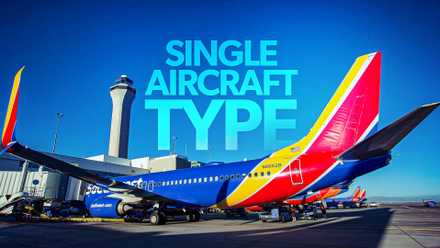
Why One Of The World’s Biggest Airlines Bet Its Future On A Single Aircraft Family
Southwest Airlines operates only Boeing 737 family jets.
The Overhead Locker Problem Forced Operational Changes

Southwest Airlines’ response to the early boarding problems suggests the airline underestimated how disruptive overhead bin management would become under assigned seating. The airline has already announced plans to retrofit approximately 70% of its fleet with larger overhead lockers capable of holding 50% more bags by the end of 2026.
That retrofit program represents a major operational investment, but it also serves as an acknowledgment that the original assigned seating rollout created bottlenecks Southwest Airlines did not fully anticipate. Larger bins should reduce some congestion by increasing available storage near assigned seating areas, though they may not fully address the behavioral changes caused by the new boarding system.
The airline is also rebalancing boarding groups after reports that the original eight-group structure created uneven loading patterns inside the cabin. Again, this highlights how Southwest Airlines is moving toward a more layered, complex boarding process than the one it historically operated.
Complexity itself creates operational risks, and one reason Southwest Airlines achieved strong turnaround performance for decades is because its procedures remained relatively simple compared with many competitors. The airline avoided heavily segmented boarding systems, complicated fare classes, and multiple cabin products that often slow down operations elsewhere in the industry.
The assigned seating transition introduces more variables for gate agents, flight attendants, and passengers to manage simultaneously. Every additional layer of organization creates new opportunities for confusion, delays, and inconsistency across a large network. The challenge for Southwest Airlines is that customers increasingly expect assigned seating, especially families and infrequent passengers who prefer certainty before boarding. Operationally, however, open seating often delivered faster and more efficient results.
Investor Pressure Changed Southwest Airlines’ Priorities

The shift away from open seating did not happen in isolation. Pressure from activist investor Elliott Management played a major role in accelerating broader changes at Southwest Airlines as investors pushed the airline to improve profitability and adopt more conventional revenue strategies.
Assigned seating creates opportunities for additional monetization through premium seat assignments, extra legroom products, and more segmented pricing structures. From a financial perspective, the appeal is obvious because nearly every major US airline, including  American Airlines,
  United Airlines, and
  Delta Air Lines, already generates substantial ancillary revenue from seat selection and cabin differentiation.
The problem is that Southwest Airlines’ historic operating model was built around interconnected efficiencies. Open seating, simplified fares, rapid turns, and high aircraft utilization all supported one another. Once the airline changed one part of that formula, other areas of the operation inevitably shifted as well. This is why the operational consequences of slower boarding deserve more attention than they have received publicly. The financial upside from assigned seating may ultimately be real, but slower turns also carry measurable costs, including scheduling flexibility, labor utilization, and daily aircraft productivity.
A short-haul airline cannot easily absorb repeated inefficiencies because the margins around time management are extremely tight, and even modest increases in average boarding time become significant when multiplied across thousands of daily flights. Southwest Airlines appears to be betting that customer preference for assigned seating and the opportunity for additional revenue will outweigh those operational costs over time. The early rollout, however, showed how difficult it can be to redesign a process that had shaped the airline’s operational identity for more than half a century.
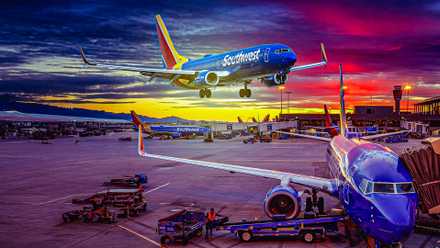
Southwest ‘Not Done’ Making Changes As CEO Teases Lounges And First Class
The changes keep on coming at SWA.
The Real Test Will Come During Peak Travel Periods

The first months of Southwest Airlines’ assigned seating rollout may only represent an early preview of the larger operational challenge ahead. Peak summer schedules will provide a much tougher test because heavier passenger loads, larger carry-on volumes, and tighter aircraft utilization leave less room for inefficiency. During busy travel periods, even minor boarding delays can quickly spread throughout an airline’s network. Aircraft operating six or seven segments daily have limited opportunities to recover lost time, especially on short-haul routes where schedules are tightly compressed.
Southwest’s historical strength during disruptions often came from operational simplicity and rapid aircraft movement. If assigned seating continues, creating friction during boarding, irregular operations could become harder to contain during weather events, airport congestion, or systemwide delays. The larger overhead lockers being installed across much of the fleet may eventually reduce some passenger frustration, but infrastructure upgrades alone may not fully eliminate the behavioral changes associated with assigned seating. Passengers naturally move differently when protecting assigned territory rather than selecting seats dynamically during boarding.
The transition also raises broader questions about Southwest Airlines’ long-term identity. Open seating was controversial among some passengers, but it also differentiated the airline from competitors and supported a uniquely efficient operating style. Assigned seating may attract customers who previously avoided the carrier while simultaneously weakening one of the company’s most effective operational advantages.
Whether the change ultimately succeeds financially will depend on balancing customer expectations against operational performance. The issue is not simply whether passengers prefer assigned seating – the broader question is whether an airline built around rapid turns and high aircraft utilization can preserve those advantages after introducing a boarding system that inherently slows movement inside the cabin.