dailynewsnblog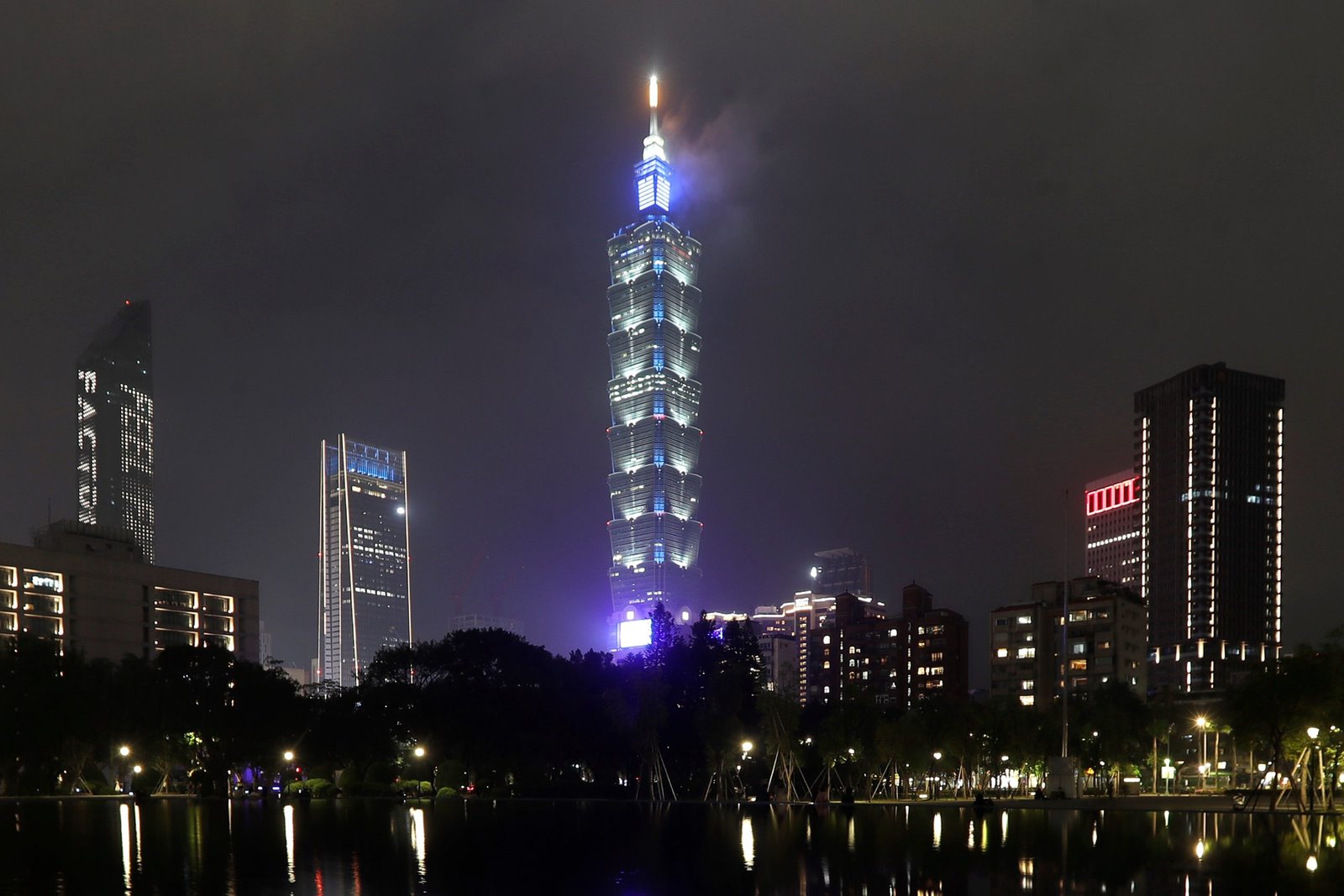
Taiwan was where the real magic happened — and understanding that history is essential to understanding why Taiwan matters so profoundly to both the United States and the world.
In the wake of the closely watched Trump-Xi meeting, Taiwan — home to the world’s most mature semiconductor ecosystem and producer of the most advanced chips—has naturally become a focal point. Yet the history of this core strategic industry in Taiwan is often misunderstood, obscured by competing narratives and, at times, outright misconceptions. To understand why Taiwan sits at the center of U.S.-China rivalry, we must look beyond the obvious fact that chips matter and examine how Taiwan’s semiconductor industry actually came into being.
In 1976, Taiwan’s Industrial Technology Research Institute (ITRI) signed a 10-year, US$3.5 million agreement with the American company RCA. The deal included US$2.5 million for technology transfer and US$1 million for licensing, all conducted legally and transparently. At a time when Taiwan’s per capita income was under US$400, the government allocated nearly US$10 million to integrated-circuit development. These funds built Taiwan’s first demonstration fab and sent more than 20 engineers to RCA in the United States for training.
Although U.S. processes had already reached 3.5-micron NMOS technology, Taiwan chose to acquire RCA’s 7-micron CMOS technology because it was lower-cost, more efficient, and better suited to Taiwan’s emerging consumer electronics industry. This modest starting point did not hold ITRI back. Instead, ITRI proved that semiconductor manufacturing could succeed in Taiwan. In 1980, the government transferred the technology to the newly established United Microelectronics Corporation (UMC), receiving a 15 percent stake in return.
UMC became profitable within a few years and was publicly listed in 1985. Encouraged by this success, the government launched another major semiconductor initiative in 1983: a 6-inch wafer demonstration fab capable of producing more advanced 3-micron technology. The roughly US$100 million project took four years and trained around 400 Taiwanese engineers, forming the foundation for the next phase of development.
In 1987, many of these engineers joined Taiwan Semiconductor Manufacturing Company (TSMC). TSMC leased ITRI’s demonstration fab and began operations with 3-micron technology. Through international partnerships and sustained investment in talent, manufacturing, and research, Taiwan’s semiconductor industry grew exponentially.
This was not a story of “stolen chips.” It was a story of commitment, execution, and turning stone into gold. Taiwan was where the real magic happened — and understanding that history is essential to understanding why Taiwan matters so profoundly to both the United States and the world.
Dr. Harry H.J. Tseng is the representative of the Taipei Economic and Cultural Office in Canada.
The views, opinions and positions expressed by all iPolitics columnists and contributors are the author’s alone. They do not inherently or expressly reflect the views, opinions and/or positions of iPolitics.