dailynewsnblog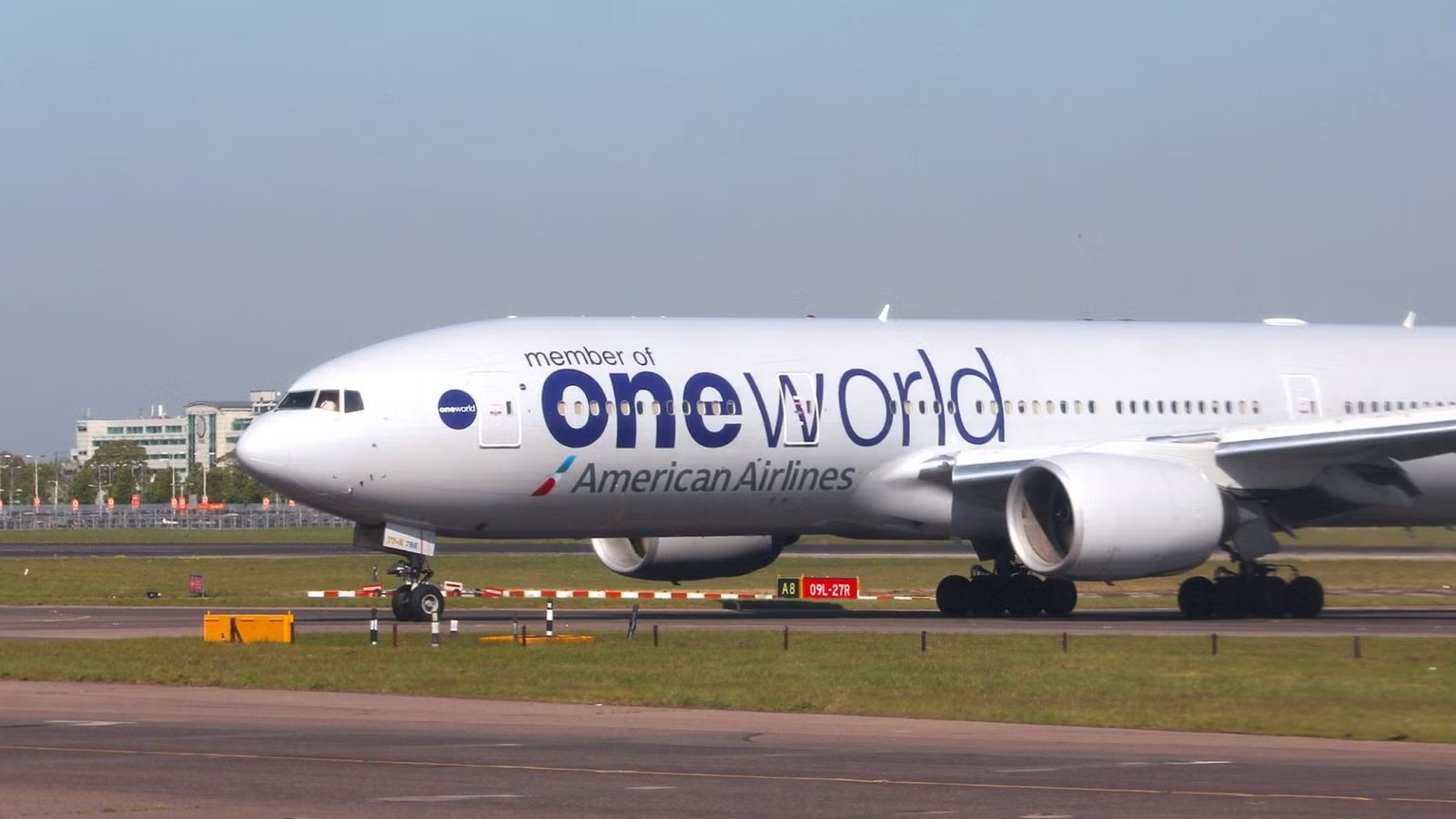
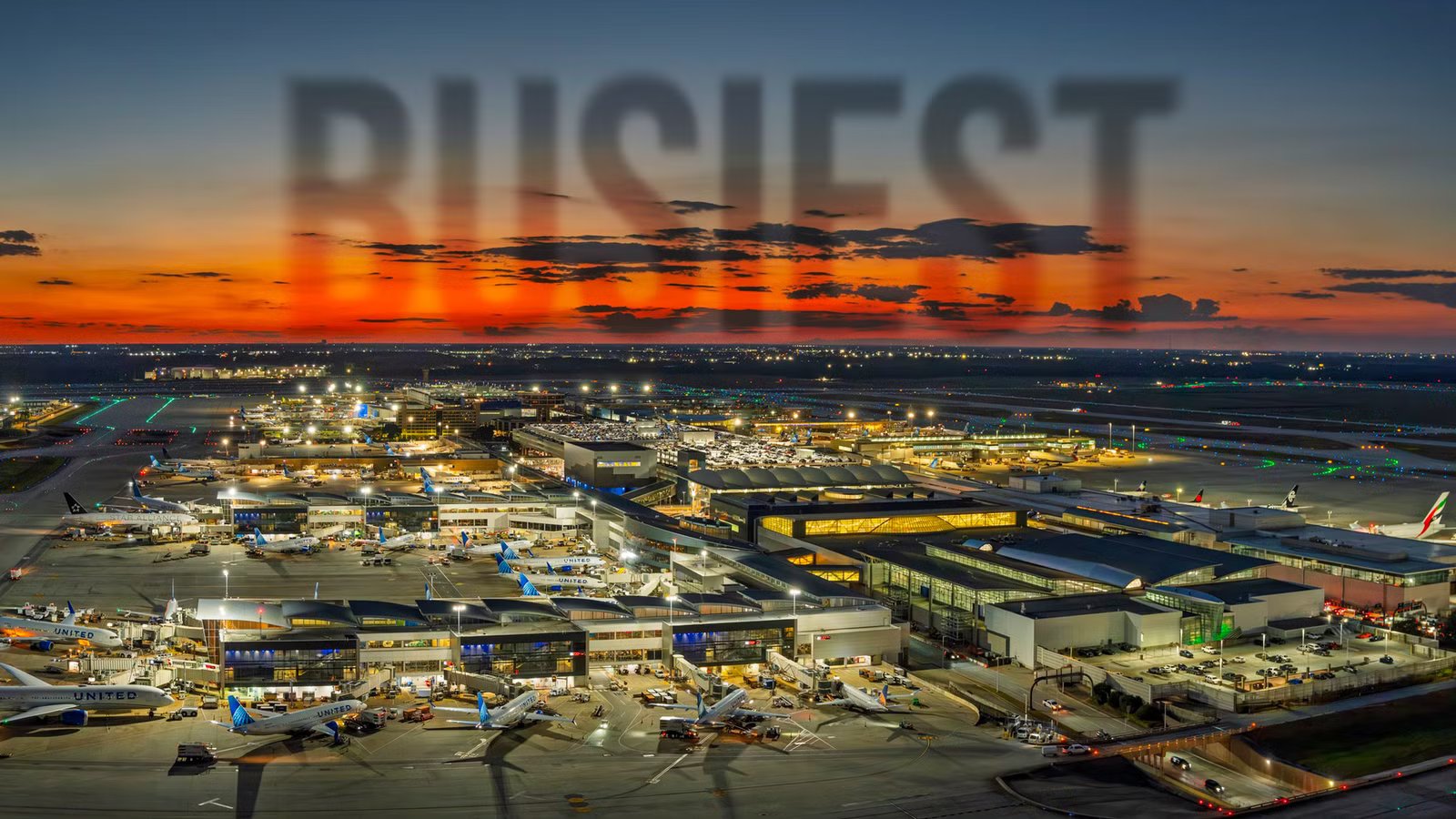
Later today, Alaska Airlines’ inaugural UK-bound flight from its hub at Seattle-Tacoma International Airport (SEA) will touch down at London Heathrow Airport (LHR), marking an exciting step forward in the world of transatlantic connectivity. The route’s debut is also significant at an alliance level, as it will see yet another  oneworld member commence flights from the busiest airport in the United Kingdom.
Helped by the presence of hometown hero and UK flag carrier  British Airways, London Heathrow Airport has become the oneworld alliance’s most-served global hub. When flying to and from the West London facility, its elite status members and premium passengers can expect more than just great onward connectivity, with a wide range of lounges across the airport’s various terminals to serve every need.
14 oneworld Members Now Serve London Heathrow Airport

Yesterday evening, oneworld member Alaska Airlines made history when its inaugural flight to London Heathrow Airport took off from Seattle. At the time of writing, the service (AS100) remains en route over northern Canada, with Flightradar24 showing that it should arrive in London on time at around 3:05 PM. The return flight, AS101, will depart Heathrow at 5:00 PM, reaching Seattle at 6:50 PM local time.
The arrival of Alaska Airlines at London Heathrow now means that the facility is served by 14 of the alliance’s members. This ongoing growth underlines the facility’s status as oneworld’s most-served global hub, with the alliance noting that “last year, around 29 million oneworld customers flew from, to or through Heathrow,” with 30% connecting there. Ole Orvér, the CEO of oneworld, said that:
“With service from the most oneworld carriers and nearly 400 daily departures, London Heathrow is a cornerstone of our global network, where our members work together to deliver smooth connectivity for millions of customers every year.”
Lots Of Lounges

With London Heathrow Airport being the oneworld alliance’s most-served global hub, it is only natural that its members want to give elite status holders and premium passengers the best experience possible, particularly given the high amount of connecting guests. This is evidenced by the group’s extensive lounge footprint at London Heathrow Airport, with 13 of these spaces available across its terminals.
More than half of these (seven) can be found in Terminal Five, which is to be expected, given that this is the home base for oneworld founding member British Airways. Spanish national airline and British Airways’ fellow International Airlines Group (IAG) brand Iberia also operates out of Terminal Five. Meanwhile, Terminal Four houses Malaysia Airlines, Oman Air, Qatar Airways, and Royal Air Maroc.
This facility has one oneworld lounge, hosted by Qatar Airways, while the other five can be found in Terminal Three. Alaska Airlines, American Airlines, Cathay Pacific, Finnair, Japan Airlines, Qantas, Royal Jordanian, and SriLankan Airlines call this terminal home, with certain BA flights also using it. Terminal Three’s five oneworld lounges are hosted by American (two), BA, Cathay Pacific, and Qantas.
50 Daily Flights: Inside British Airways’ Record-Breaking US Network In Summer 2026
The UK flag carrier serves American destinations from two London gateways.
Almost 12,000 oneworld Departures In June

As the unstoppable tide of time drags us closer and closer towards the peak summer travel season, the oneworld alliance is gearing up for a rather busy few months at  London Heathrow Airport. Indeed, the alliance says that its members will operate almost 2,800 flights a week from the West London hub, with its “extensive global network” of over 160 destinations being spread across more than 60 countries.
Cirium, an aviation analytics company, underlines the scale of oneworld’s presence at Heathrow. In June 2026, 19,916 flights will leave Heathrow, with oneworld members accounting for 11,730 (59%). British Airways has the largest share, with 10,051, followed by American (630), Iberia (239), Qatar Airways (186), Cathay Pacific (149), Finnair (120), and Japan Airlines, Malaysia Airlines, and Qantas (60 each).
Lower frequencies are operated by Oman Air (47), Royal Air Maroc (38), and Alaska Airlines, Royal Jordanian, and SriLankan Airlines (30 each). With 14 of the alliance’s members now serving Heathrow, only one is missing: Fiji Airways.