dailynewsnblog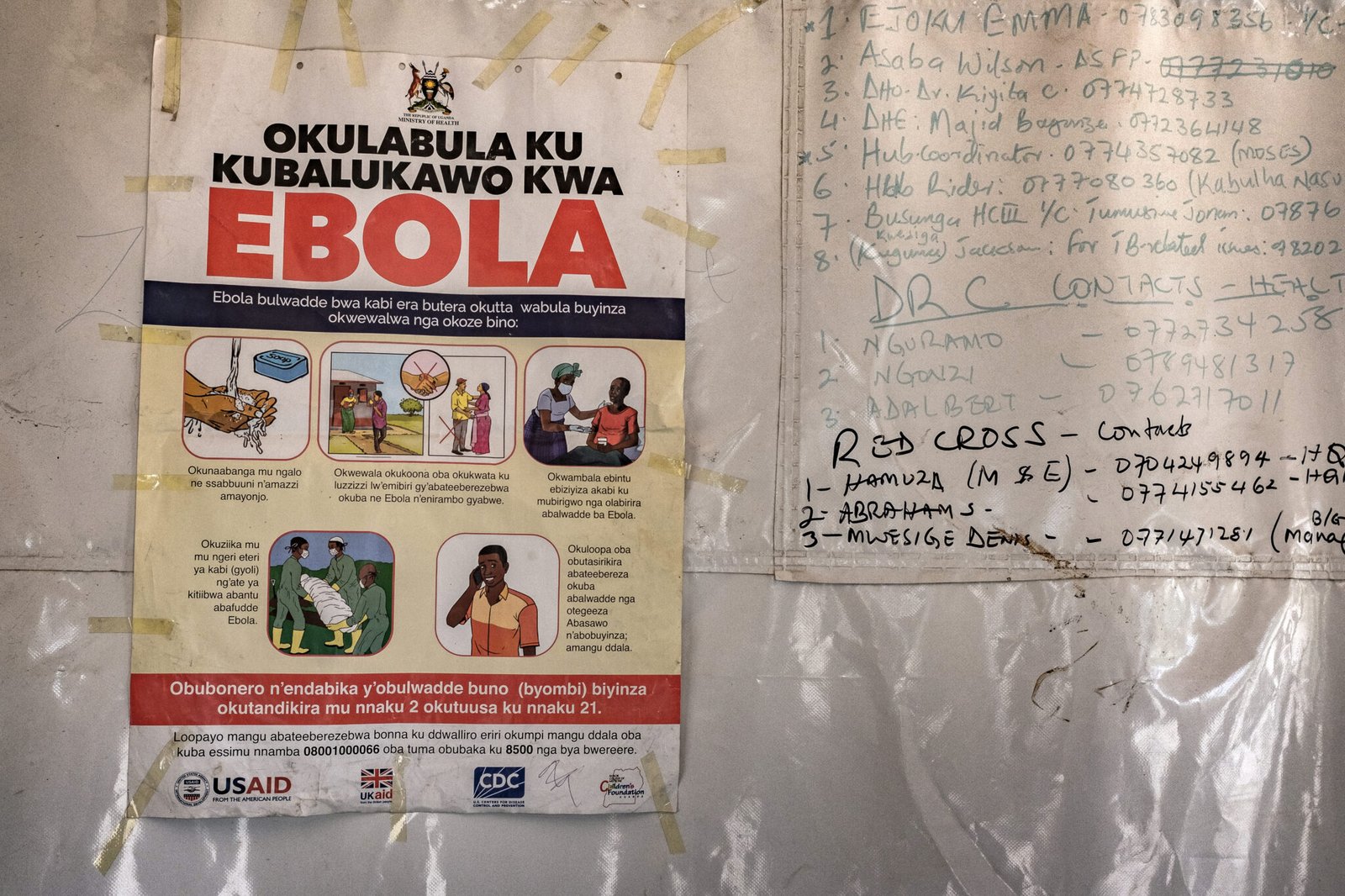
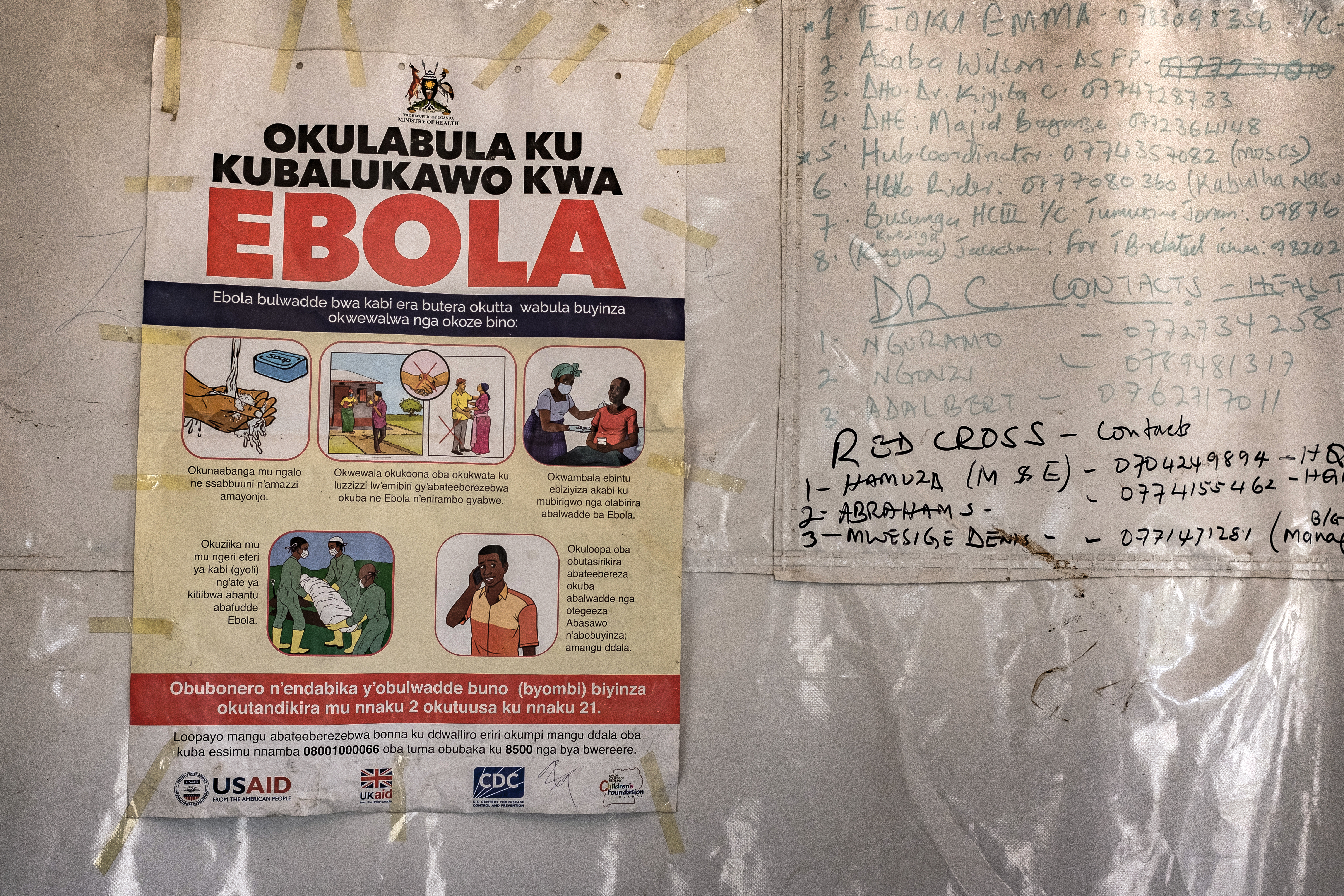
There are four virus strains known to cause Ebola disease in humans, and three have caused large outbreaks (Zaire, Sudan, and Bundibugyo). The most common strain is Zaire, for which treatments and vaccines have been developed. The viruses spill over from animals, including non-human primates and bats, and cause severe hemorrhagic fever, marked by diarrhea, vomiting, and bleeding. Person-to-person spread occurs via contact with bodily fluids and symptoms can develop between two and 21 days—though most often eight to 10 days—after an exposure.
CDC response and infected American
On Monday morning, the CDC announced on its website that it is implementing new travel restrictions, including screening and monitoring Americans arriving from DRC, Uganda, and South Sudan, while also barring the entry of non-US passport holders who have traveled in those countries in the past 21 days.
Additionally, in a CDC press briefing on Monday afternoon, Captain Satish Pillai, incident manager for CDC’s Ebola response, said that one American in the DRC has been infected after being exposed as part of their work there. The person developed symptoms over the weekend and tested positive late Sunday. The CDC is now working to transfer that person, along with six other Americans, to Germany, where they will receive care. Pillai did not answer questions about the person’s identity or their work.
Serge, a Christian missionary organization, announced that the infected person is Dr. Peter Stafford, who has been working in the Nyankunde Hospital in Bunia, DRC, since 2023. The other six people the CDC is working to relocate are his wife, Dr. Rebekah Stafford, the couple’s four children, and a third doctor with the organization, Dr. Patrick LaRochelle. All three doctors had exposures, the organization said, but Rebekah Stafford and LaRochelle are currently asymptomatic.
Pillai noted that the CDC considers the risk to the American public to be low.