dailynewsnblog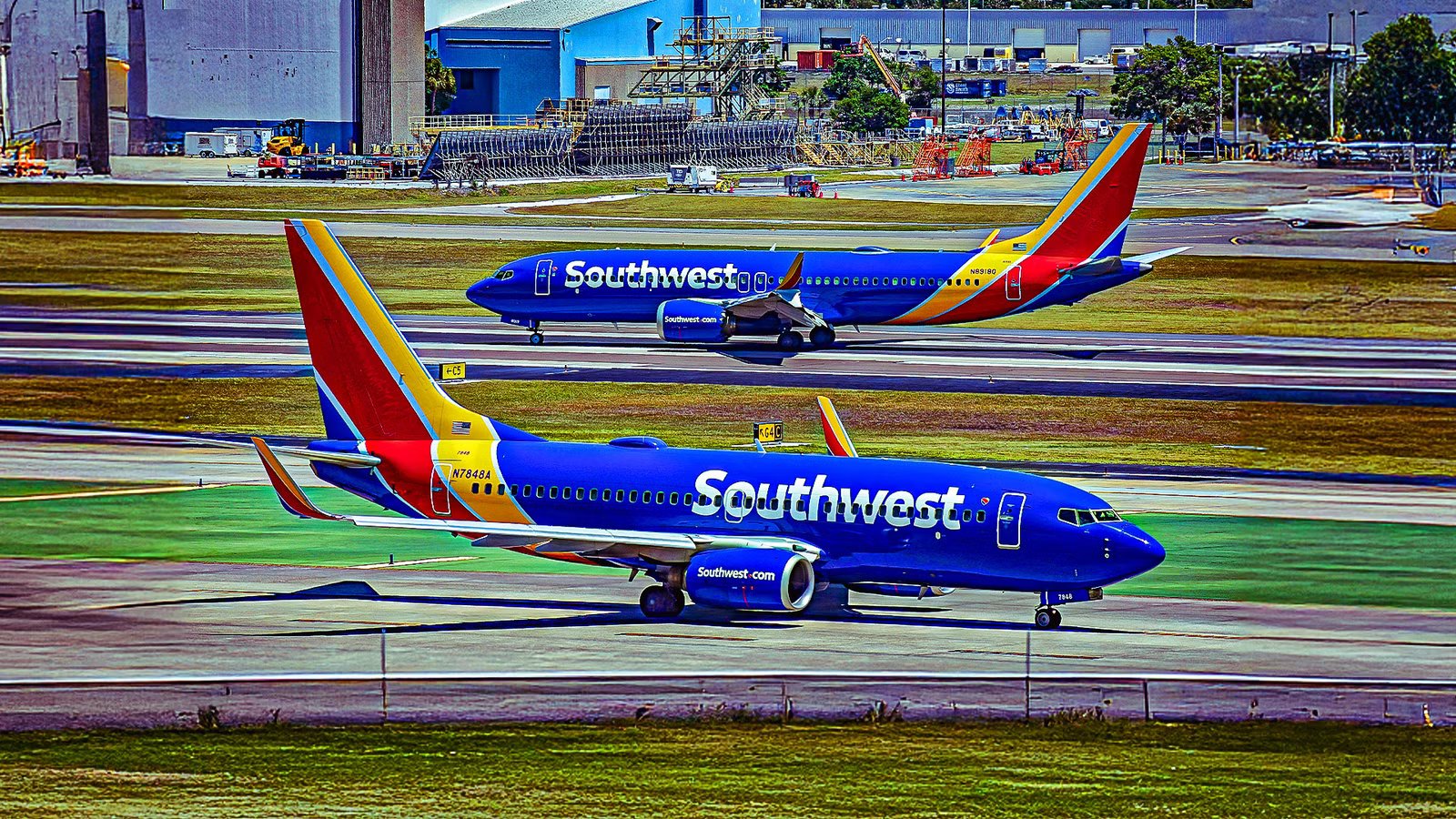
 Southwest Airlines has laid off approximately 75 employees as part of what the carrier described as an “operational restructuring,” despite recently reporting a record $7.2 billion in first-quarter operating revenue. The layoffs were reported earlier this week and affect workers tied to the airline’s internal operational support structure. The decision comes at a time when the Dallas-based carrier is pursuing cost reductions and broader organizational changes in response to months of strategic pressure.
The move has attracted attention because it contrasts sharply with Southwest’s recent financial performance. While the airline generated record quarterly revenue, the company has also been working to improve efficiency, modernize operations, and address shifting market conditions. The layoffs highlight the growing reality that strong revenue figures do not always prevent workforce reductions, especially as airlines seek to streamline costs and adapt to evolving travel demand.
Operational Restructuring Leads To Workforce Cuts

According to reports first shared on X by journalist Jay Parker, Southwest laid off around 75 employees this week, calling it an “operational restructuring.” The reductions occurred only weeks after the airline announced record first-quarter operating revenue of $7.2 billion. The affected workers were informed that Southwest continues to evaluate internal operational priorities and cost structures.
The layoffs appear to be part of a broader restructuring effort rather than a large-scale downsizing initiative. Southwest stated that the changes were connected to organizational efficiency and operational alignment. While the number of affected employees remains relatively small compared to the airline’s overall workforce, the timing of the cuts has generated significant discussion across the aviation industry, given Southwest’s strong revenue performance.
Strong Revenue Does Not Eliminate Cost Pressures

Southwest’s record quarterly revenue demonstrates that passenger demand remains resilient across much of the US domestic market, despite rising fuel prices. The airline has continued benefiting from high leisure travel demand, a large domestic network, and strong customer loyalty. However, airlines often focus on profitability, efficiency, and shareholder expectations beyond headline revenue numbers alone.
The aviation industry has also faced mounting operational and financial pressures in recent years. Labor costs have risen sharply across nearly every major US carrier due to new pilot contracts, inflationary pressures, and higher maintenance expenses. Even airlines reporting strong revenue are still seeking ways to improve margins and reduce inefficiencies in areas not directly tied to frontline operations.
For Southwest, the restructuring effort comes amid a broader transformation and a fuel cost crisis. The airline has been adjusting elements of its corporate strategy while responding to increased competition from both ultra-low-cost carriers and larger network airlines. Operational reliability, fleet utilization, and internal efficiency have become increasingly important as carriers seek to maintain profitability amid a volatile economic environment.

This Is How Short Southwest Airlines’ Turnarounds Used To Be
Southwest Airlines once pulled off the impossible, using an ambitious strategy to save the company.
Southwest Continues Navigating Strategic Changes

The layoffs also arrive during a transitional period for Southwest Airlines. Over the past two years, the carrier has faced pressure from investors and analysts to modernize parts of its long-standing business model. That scrutiny intensified following the airline’s operational meltdown during the 2022 holiday season, which exposed weaknesses in its crew-scheduling systems and recovery capabilities.
Since then, Southwest has invested heavily in operational improvements and technology upgrades while reassessing various internal processes. The airline has also explored ways to diversify revenue streams and improve financial performance without abandoning its core low-cost identity. Those efforts have included changes to network planning, schedule optimization, and internal operational structures.
Although the latest layoffs involve a relatively small number of employees, they may signal that Southwest intends to continue refining its organizational framework. Airlines frequently restructure departments even during financially successful periods, particularly when management believes long-term efficiency gains are necessary to remain competitive.
At the same time, Southwest maintains one of the largest domestic route networks in the US. The airline remains a dominant player in several key markets and continues to operate an all- Boeing 737 fleet, a strategy that has historically helped simplify maintenance, training, and operational planning. However, like other US carriers, Southwest still faces uncertainty surrounding fuel prices, aircraft delivery timelines, labor availability, and broader economic conditions.
The situation at Southwest reflects a wider trend across the airline industry, where carriers are increasingly balancing strong travel demand with aggressive cost management initiatives. Airlines worldwide have reported high passenger numbers since the post-pandemic recovery accelerated, but many continue to face thinner margins due to rising expenses and operational complexity, leading to difficult decisions such as layoffs.