dailynewsnblog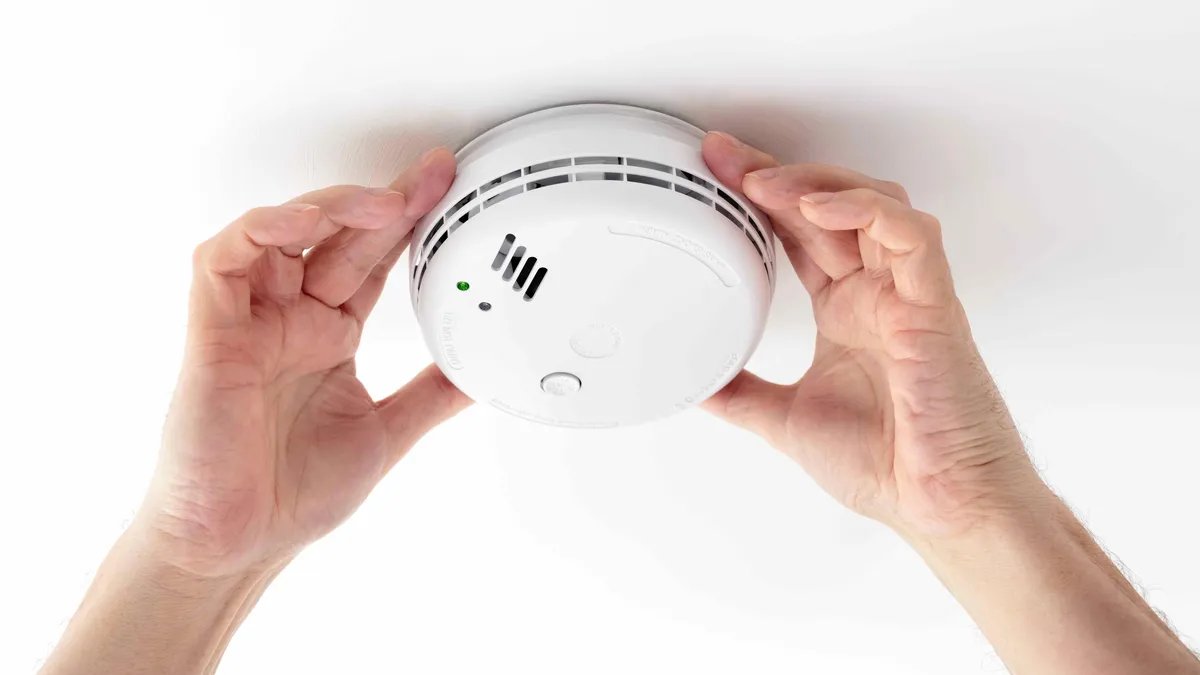
Whether you’re replacing outdated, chirping smoke alarms or installing new detectors, where you put them is important. Badly placed smoke detectors can create more false alarms — or struggle to sense fires at all. Studies have shown that avoiding problem spots can help smoke detectors significantly reduce the risk of fire-related injuries and fatalities.
So, what should you do, and what should you avoid? My guide goes over the most important steps to make sure your detectors are in the right spots, meet legal requirements and keep you safe.
The best places for a smoke detector
You will likely need multiple smoke detectors throughout your home for added safety.
Always start by checking your state laws on smoke detectors for guidelines on what to do. Please keep in mind that many states require certain smoke detectors to be wired with battery backups. If your state doesn’t have rules about exactly where to put smoke alarms, here’s where to start.
Read more: Our Favorite Smoke Detectors Are Getting Smarter with Ring Compatibility
Bedrooms and sleeping areas
The states that do have laws about where smoke alarms must be installed usually start by requiring them in bedrooms and all similar sleeping areas. This focus helps make sure that alarms wake people up at night if an unexpected fire occurs.
Central hallways
Hallways are another common smoke alarm requirement, because they tend to be central areas where smoke accumulates first before moving into smaller rooms. Think about the area where your thermostat is. That’s usually a good spot to put a smoke detector, too.
Kitchen areas
You don’t want a smoke detector too close to kitchen appliances, but a large number of fires start in kitchens so it’s a very good idea to have one nearby to quickly sense any issues.
Basements and upper stories
State laws may also state that smoke detectors need to be installed on every level of the house. If your home has a basement or second-story room, they will also need their own smoke alarms.
About 12 inches from the top of (most) home ceilings
Smoke rises: Home smoke alarms should be in the right position to catch that rising smoke, and that means putting them close to the ceiling. Official recommendations suggest putting smoke alarms no farther than 12 inches from the top of the ceiling. Of course, that can be difficult with some vaulted ceilings, but it’s important to get as close as you can.
At least 10 feet away from cooking appliances
Cooking appliances include ovens, air fryers, microwaves and toasters. You can’t always move these devices, but you will want to keep smoke alarms at least 10 feet away to help cut down on false alarms. The steam and grease from kitchen work can clog smoke detector sensors so they don’t work as well.
Do not install smoke detectors in these spots
Placing a smoke detector within easy reach may sound like a good idea, but invites problems.
These locations are bad news for smoke detectors, even if it may seem like a good idea at the time. Avoid placing them in areas like these.
Within easy hand’s reach
It’s tempting to put a smoke detector within easy reach, so that you can quickly change batteries or try to turn it off if it begins beeping for no reason. But that’s a serious mistake that could jeopardize your safety. Smoke alarms need to be high to catch rising smoke early. Also, installing them lower down makes the detector more susceptible to damage or being turned off permanently by mistake.
In a roof’s peak
If putting a smoke detector close to the ceiling is important, why not put it right at the peak of a slanted roof? Some people try to do this in lofts, cabins and similar rooms. However, it can blocked a smoke detector’s sensors and make wiring more complicated. Aim about a foot lower when installing.
Close to windows or doors
Both windows and doors can create drafts (or let in smoky air) that mess with a smoke alarm’s sensor and can lead to being less accurate. Install smoke alarms on inner walls away from openings like these.
Close to bathrooms
The steam and heat from bathrooms can also ruin a smoke detector’s sensors over time. Avoid installing smoke alarms near bathroom doors, or inside bathrooms.
Next to furnaces or fireplaces
Getting too close to a furnace or fireplace increase the odds of a false alarm, and can deteoriate smoke detectors more quickly.
How to install a smoke detector
If your smoke alarm is chirping, it may be time to switch the batteries.
Battery-operated smoke detectors are some of the simplest home security devices to install. They typically come ready to go right out of the box, so all you need to do is mount it. You can follow the manufacturer’s instructions for how to install your specific smoke detector, but generally, the steps are consistent.
1. Unpack the detector and read the documentation.
2. Install the battery or pull the protective tab out from the battery to activate the alarm.
3. Choose a draft-free spot on the ceiling or on a wall 12 inches from the ceiling.
4. Attach the mounting bracket.
5. Connect the smoke detector.
6. Test the smoke detector by pressing the “Test” button. It should make a loud sound that can be easily heard in the general vicinity.
Wired smoke alarms may require an electrician who can make the connections and interlink them. And, of course, you’ll want to run periodic tests yourself and replace if necessary. Fortunately, we have a guide on doing that, too.
Read more: Have You Tested Your Smoke Alarm Lately? You Should and Here’s How
What to do if your smoke detector goes off
Nest Protect smoke devices.
Smoke detector false alerts happen, although our top picks like Kidde use sensors designed to cut down on them. If you hear a smoke alarm, check for the source of the smoke before calling 911. A small grease fire in a pan, for example, can be easily extinguished. However, if there is heavy smoke or a fire you can’t control, evacuate the home right away and call 911.
A home safety plan is vital so that everyone at home knows what to do in case of an emergency. Have an exit plan in case of fire including where everyone should meet outside of the home, who’s in charge of pets or essentially medications and so on.
For more safety tips, check out where you should put a carbon monoxide detector, our guide to preparing for natural disasters and how to recover important documents after a fire or other natural disaster. For more information about home safety, check out the best places to put your home security cameras, and the best cheap home security systems you can buy.