dailynewsnblog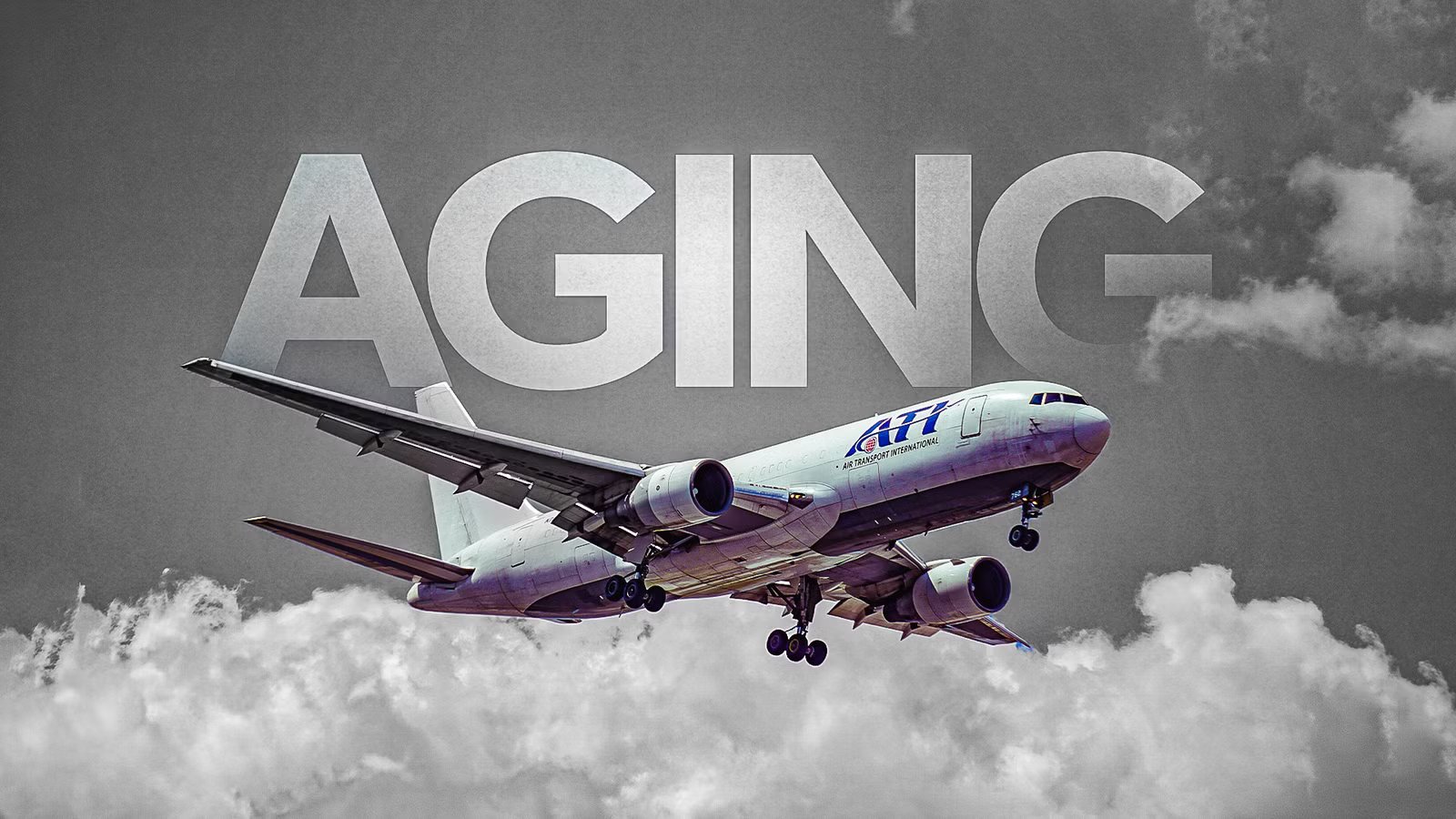
The global air cargo industry is being defined by aging assets and stalled innovation at the present moment. The demand for high-capacity, fuel-efficient freighters has never been higher, but the path to modernization is blocked by a series of unprecedented manufacturing hurdles and supply chain failures. For the world’s major logistics carriers, the dream of a clean-sheet fleet is being deferred, forcing them to double down on maintenance for airframes that were, in many cases, intended for retirement years ago.
This guide explores the mechanical and regulatory gridlock currently paralyzing the freighter market. From the assembly lines in Toulouse to the engine testing stands in Ohio, this article breaks down why the next generation of cargo jets, the Airbus A350F and Boeing 777-8F, remain out of reach just as the clock runs out on legacy production.
A Fractured Supply Chain

Airbus, which had high hopes for a rapid A350 ramp-up by 2026, has found itself tethered to the production speed of its most critical suppliers. The primary culprit remains the complex center fuselage section, formerly managed by Spirit AeroSystems. Despite Airbus moving to bring this work in-house to stabilize quality, the industrial indigestion from years of outsourcing has capped production at roughly six aircraft per month, a far cry from the double-digit rates needed to support a global freighter launch.
This bottleneck is not a simple matter of labor shortages, but more a structural failure of the aerospace supply chain. Each A350F requires a massive, 4.3m (14.1 ft) wide main deck cargo door, a component that adds significant structural complexity to an already strained fuselage production line. By the time the first door was assembled, the program was already trailing its original schedule by over 12 months. For operators who planned their fleet transitions around a 2026 delivery, this delay has created a massive capacity hole that cannot be easily filled by the secondhand market.
The production vs. delivery gap has reached an alarming 30% in the first half of 2026. This means that even when Airbus can physically assemble the airframes, they are often pushed to the edge of the airfield as gliders, or jets, complete in every way except for their engines. The synchronization between airframe and powerplant has fractured, leaving millions of dollars in capital sitting idle on the tarmac while cargo carriers are forced to extend the leases on their fuel-thirsty classics.
More Gliders Than There Should Be

With the fully assembled airframes that remain grounded on manufacturers’ tarmacs because their powerplants have failed to arrive on schedule, the industry now has a problem with too many showpieces rather than operationally ready aircraft. For cargo operators, this means that even when a production slot is secured, there is no guarantee the aircraft will be operational by the promised delivery date.
This engine supply constraint is a critical pacing item that has forced both Airbus and  Boeing to adjust their long-term forecasts. For the A350F, the Rolls-Royce Trent XWB-97 is the sole engine option, meaning any disruption at the Derby production facility has an immediate ripple effect on the entire freighter program. Similarly, Boeing’s 777-8F relies on the GE9X, which has faced its own share of technical scrutiny and supply chain hurdles during its certification journey. The lack of engine availability has created a scenario where the physical airframe is essentially a multi-million-dollar paperweight until the propulsion systems can be delivered and integrated.
The bottleneck is not just about raw materials, but the specialized casting and forging capacity required for high-pressure turbine blades. These components must withstand extreme heat and pressure, and the global capacity for producing them is currently maxed out. Consequently, engine manufacturers are prioritizing the support of the existing in-service fleet to avoid grounding current flights, which inadvertently starves the new-build production lines. This paradox leaves cargo airlines stuck with an average fleet age of around 20 years in most cases, as they cannot receive the new, efficient jets needed to replace their aging workhorses.
The Airbus A350 Freighter: Everything We Know So Far
The A350F freighter is poised to enter service in 2027.
Rushing To Cancel Orders

The ever-changing timelines for next-generation freighters have sent shockwaves through the order books of the world’s largest lessors and airlines. When Airbus officially pushed the entry-into-service for the A350F to the second half of 2027, it triggered a cascade of contract renegotiations. Air Lease Corporation, originally a launch customer with a commitment for seven aircraft, made the rare and drastic move of canceling its entire order. Such a high-profile exit highlights the frustration within the industry, as lessors find it increasingly difficult to place aircraft with uncertain delivery windows.
Besides the outright cancellations, major carriers like Air France-KLM have begun trimming their commitments to balance their capital expenditure against the delayed reality. The group reduced its A350F order from eight to six frames, choosing instead to focus on shorter-term solutions to bridge the capacity gap. However, where some see risk, others see opportunity; CMA CGM Cargo has stepped in as the new launch operator for the A350F. An achievement by the shipping giant that signals a long-term commitment on air-to-sea integration, despite the manufacturing headwinds that have slowed the program’s initial momentum.
The resilience of the remaining order book is a testament to how desperate the industry has become for modern widebody capacity. The delays are painful, but the alternative, continuing to operate decades-old tri-jets and converted passenger planes, is becoming economically unsustainable. The A350F currently holds 101 firm orders from 14 customers, indicating that most operators are willing to wait for a superior technical product rather than settle for less efficient existing models. Patience is being tested daily as maintenance costs for the aging global fleet continue to climb, eating into the margins of even the most profitable logistics providers.
Expensive To Keep Going

The current global cargo fleet is aging at an alarming rate, and as things stand, it is only set to get even older. This longevity is a testament to the durability of classic designs, but it also creates a mounting burden of technical debt for operators. As these aircraft exceed two decades of service, the frequency of unplanned groundings increases, disrupting the delicate schedules of global supply chains that rely on precise arrival windows.
Maintaining an older fleet requires a specialized workforce and a deep inventory of parts that are increasingly difficult to source. For aircraft like the Boeing 747-400F, the cost of a heavy maintenance check can easily exceed $5,000,000, making the investment difficult to justify when the aircraft’s market value is rapidly depreciating. Carriers are paying a premium to keep less efficient jets in the sky because the modern replacements they ordered are still years away from delivery.
The maintenance gap brings with it a hidden tax on the logistics industry that is often passed down to consumers in the form of higher shipping rates. When a 20-year-old freighter is grounded for two weeks due to a corroded bulkhead or an engine issue, the airline loses millions in revenue while still paying for the fixed costs of crew and airport slots. This instability is why the delay of the A350F and 777-8F is so critical, as it forces carriers to stay on a high-cost maintenance treadmill that inhibits their ability to reinvest in the very technologies that would lower their overhead.

The Airbus A350F: What Can We Expect?
The A350F is set to make its first flight this year, with entry into service early next year.
The Clock Is Ticking

The pressure to modernize is now a legal mandate driven by the ICAO 2027 emissions cutoff. Beginning January 1, 2027, new international standards will prohibit the production of aircraft that do not meet strict CO2 emission limits. It brings an end to the manufacturing of the current Boeing 777F and the Boeing 767-300F based on current production lines, the current workhorses of the cargo world. Without these legacy models, the industry is entirely dependent on the successful launch of the A350F and the 777-8F to fill the production gap.
For operators of older fleets, this deadline creates a looming crisis of obsolescence. Existing aircraft can still fly, but now they will face increasing operational restrictions and higher carbon taxes in strictly regulated airspaces like the European Union. The delay of the A350F to the second half of 2027 means that for a period of several months, there may be no large, production-ready freighters available that meet the newest global environmental standards, creating a zero-delivery window for the industry.
Aircraft Model | Production Status | ICAO 2027 Compliant? | Future Outlook |
Boeing 767-300F | Ending (except US exemption) | No | Regional use only |
Boeing 777F (Current) | Ending | No | Second-hand market only |
Airbus A350F | In Development | Yes | Global Gold Standard |
Boeing 777-8F | In Development | Yes | High-Capacity Leader |
Regulatory timelines are forcing airlines to keep their order books resilient despite the manufacturing setbacks. If a carrier cancels its order for a next-generation jet now, it risks being pushed to the back of a line that already stretches into the 2030s. It means that even if Airbus and Boeing struggle with supply chains, the demand for their future products remains artificially high because there is simply no legal alternative for airlines that wish to maintain a modern, international presence.
Who Can Solve The Crisis?

Boeing has capitalized on the A350F setbacks by pushing forward with the physical production of the 777-8F, targeting a 2028 delivery date. This creates a fascinating strategic choice for airlines. Do they stick with the slightly sooner, but delayed, Airbus product, or do they gamble on Boeing’s ability to deliver a larger, more capable aircraft just one year later?
For companies like CMA CGM, the new launch operator of the A350F, the focus has shifted toward interim solutions. Many airlines are now scouring the market for passenger-to-freighter conversions of older A330 or 777-300ER airframes. These conversions provide a stop-gap measure, allowing carriers to add capacity without waiting for a clean-sheet design. However, these converted jets rarely match the structural integrity or the specialized cargo-loading efficiency of a purpose-built freighter, making them a temporary fix rather than a permanent solution.
The long-term future of air cargo will be defined by whoever can solve the widebody production crisis first. The first carrier to receive a fleet of A350Fs or 777-8Fs will have a massive competitive advantage in fuel costs and payload reliability. Until then, the industry remains in a state of suspended animation, with aging jets performing heroics daily to keep the global economy moving. The next three years will be a definitive period for aviation, testing the limits of how long a 20-year-old aircraft can remain at the center of the world’s supply chain.