dailynewsnblog
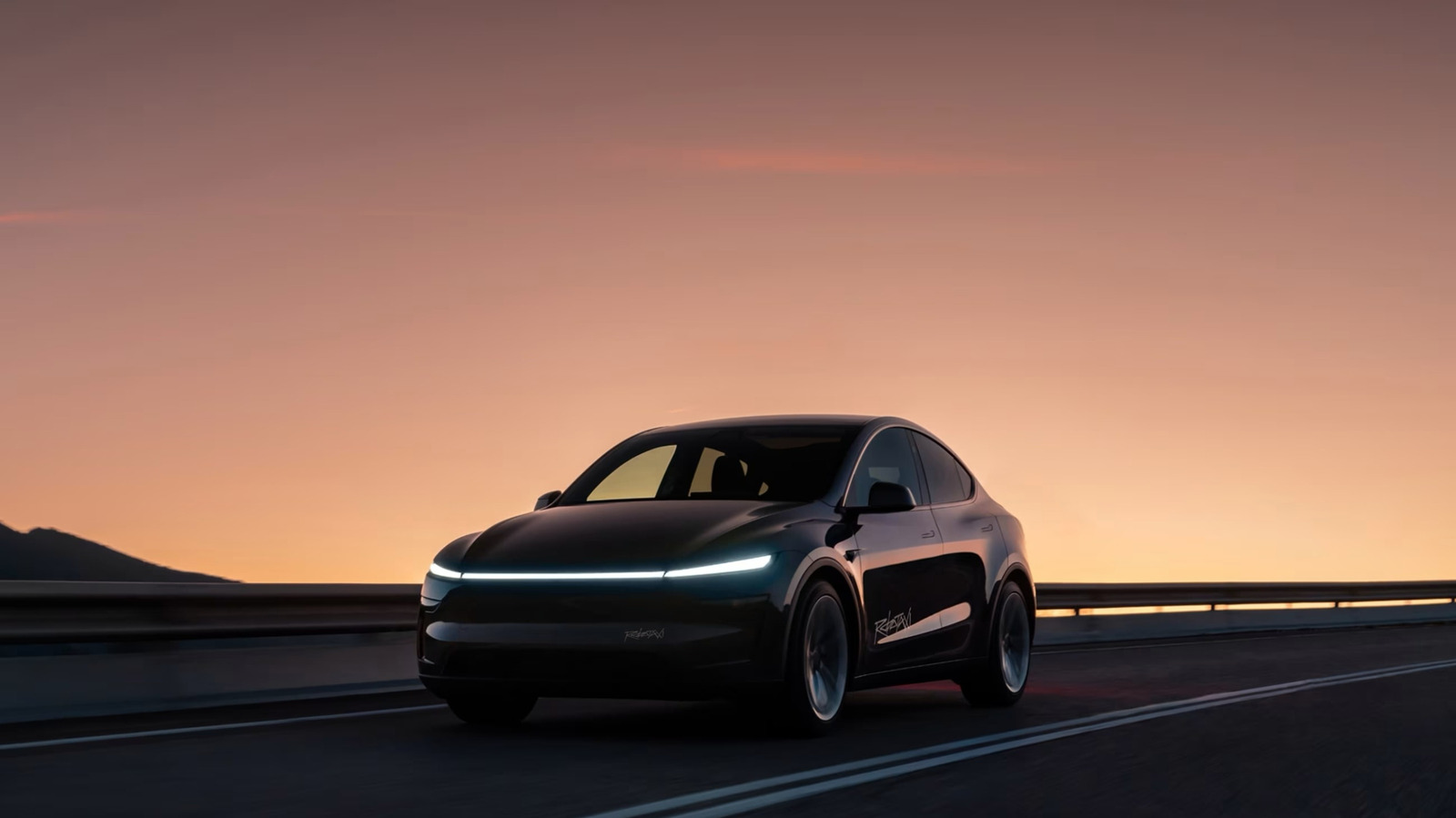
Newly unredacted data from the National Highway Traffic Safety Administration (NHTSA) suggests at least two Tesla robotaxi crashes that have happened since July 2025 occurred while vehicles were being remotely driven by teleoperators, TechCrunch reports. All self-driving car companies are supposed to report crashes to the NHTSA, but up until this point Tesla has asked the regulators to redact portions of its data to protect confidential business information.
Both crashes occurred in Austin, Texas, where Tesla first started offering robotaxi rides in June 2025, and both happened while a safety monitor was behind the wheel and no passengers were onboard. In one July 2025 crash, TechCrunch writes, after a safety monitor requested assistance, a remote operator took over, increased the speed of the robotaxi and then drove it “up the curb and made contact with a metal fence.” In another from January 2026, a remote operator assumed control and “made contact with a temporary barricade for a construction site at approximately 9MPH.”
Tesla first shared with lawmakers that it allows remote operators to drive its robotaxis in March 2025. While other autonomous driving services rely on remote monitoring, those remote workers are typically consulting with the driving software, not driving the cars themselves. Not all of Tesla’s crashes have involved teleoperators. TechCrunch spotted two crashes where Tesla robotaxis accidentally clipped mirrors on other vehicles. In a separate instance, a robotaxi was unable to avoid hitting a dog that ran into the street. Thankfully, the dog survived.
Based on a recent Reuters report, the robotaxi service is also struggling to overcome long wait times. “A reporter using the service in Dallas on a recent Monday afternoon spent nearly two hours to take what typically would be a 20-minute drive from the campus of Southern Methodist University to Dallas City Hall, about 5 miles (8.05 km) south on a major freeway,” Reuters writes. Reporters also noted multiple instances where robotaxis would drop off riders 15 minutes away from their destination, despite their desired drop-off point being in Tesla’s coverage area.
Tesla is not unique in having to deal with crashes and software issues. Waymo has or is actively dealing with both. But the continued problems do suggest Tesla could have a long way to go before it’s operating at the scale of its competitor.