dailynewsnblog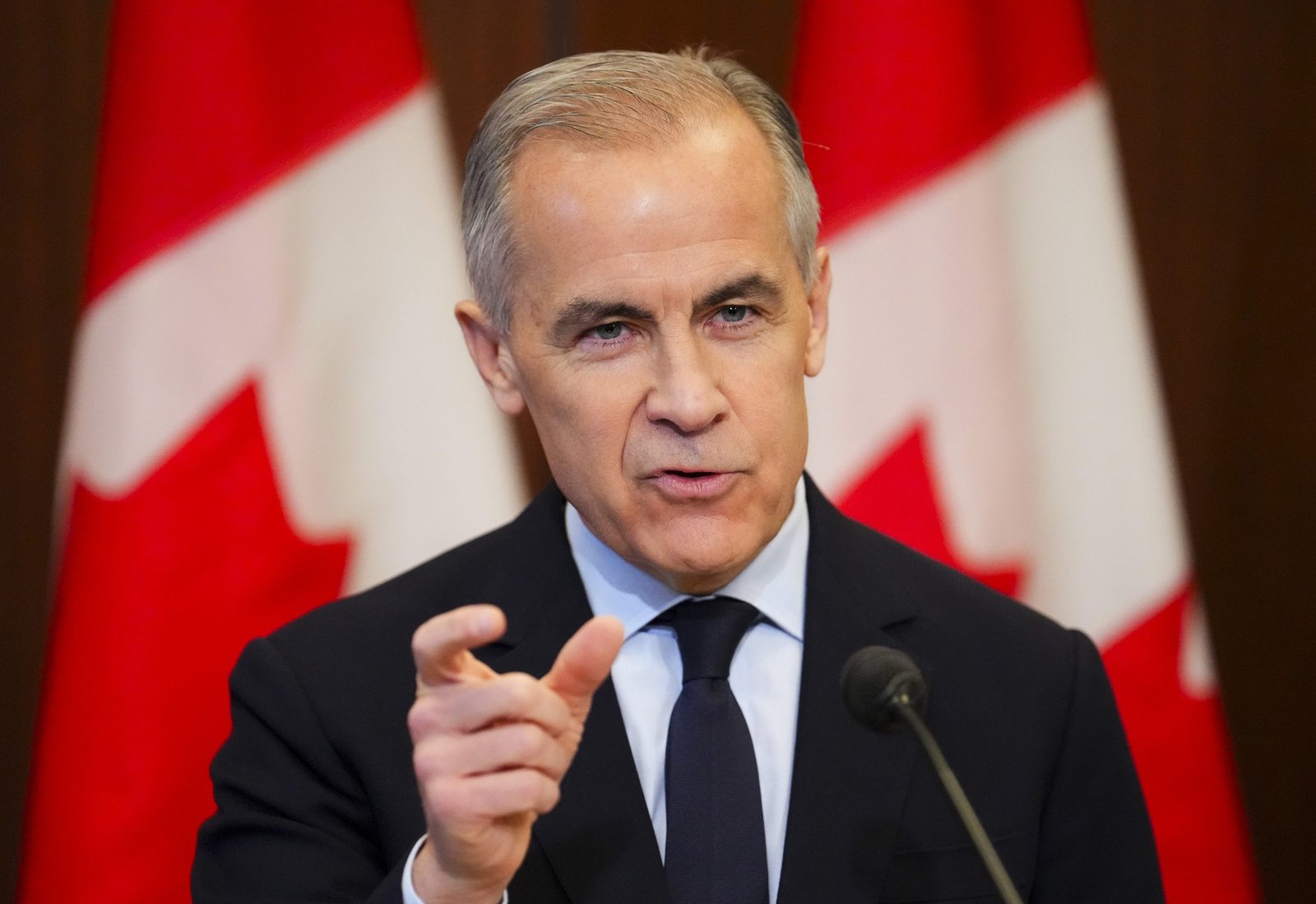
“It doesn’t do us any good to be sitting in court all the time with the provinces,” said the Prime Minister as he revealed a strategy that involves changes to the contentious clean electricity regulations.
After months of delay, Prime Minister Carney revealed his government’s new electricity strategy on Thursday.
Titled “Powering Canada Strong,” it very much resembles the “Powering Canada’s Future” strategy released in 2024, in that it explicitly aims to double Canada’s electricity generation and delivery capacity by 2050.
It proposes some of the same federal financial tools to help achieve this, including investment tax credits and public investment funds like the Canada Infrastructure Bank.
But while the 2024 plan leaned on the clean electricity regulations, the 2026 update promises to these regulations that will enable a greater use of natural gas.
Some of the proposed changes include allowing “greater use of credible offsets” like carbon credits.
The changes would also introduce more flexibility for existing gas-fired plants, while creating more room to add new units in the near term.
Scheduled to take effect in 2035, the clean electricity regulations establish a gradual limit on greenhouse gas emissions from power generation.
Carney said changes to these regulations are necessary to avoid “stranded assets” and allow for gas to play a “complementary” role in the short-term.
READ MORE: Natural gas vs. net zero: Will carbon pricing shape Alberta’s AI ambitions?
The electricity regulations already include flexible “transition periods” for existing natural gas facilities, but the motivation here is to “allow existing assets to operate, not for as long as possible, but for perhaps as long as practical,” said a government official during a technical briefing for reporters.
The proposed changes will “probably” change the emissions trajectory of the electricity sector, said another government official.
Carney was noncommittal about achieving 2030 emissions targets.
Pressed on when the government would release updated emissions data, Carney told reporters it would happen “in due time,” and that he’s focused on practical steps to achieve results.
Alberta is currently seeking a court ruling on the constitutionality of the clean electricity regulations.
“It doesn’t do us good to be sitting in court all the time with provinces,” said Carney. “It doesn’t do us good to be talking past each other. What it does do us good is to come together with specific projects.”
READ MORE: Build more, use less: Will we neglect the cheapest power in the $2 trillion rush to double the grid?
The electricity strategy also speaks about the cheapest electricity being “the power never used” and promises “additional action on energy-saving retrofits for up to one million households across Canada through a combination of financing, grants, and complementary measures.”
The Government also announced the Major Projects Office will be working on developing a new investment strategy for transmission power lines.
More to come…