dailynewsnblog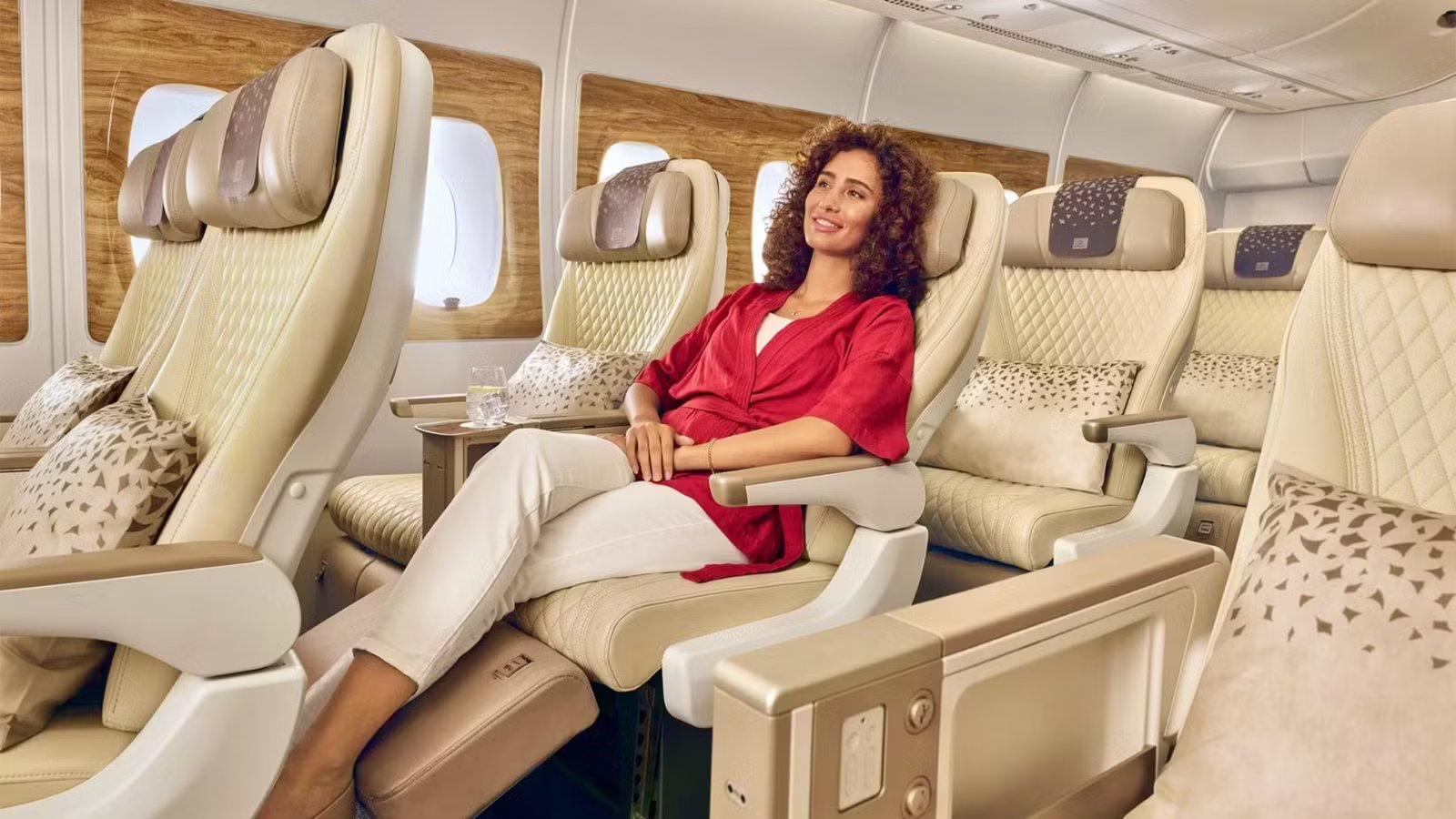
Premium Economy has evolved from a niche airline experiment into one of the fastest-growing cabin classes in commercial aviation. First introduced by EVA Air in 1992, the concept was designed to bridge the enormous comfort gap between economy and business class. Today, nearly every major long-haul airline offers some version of premium economy, and industry analysts have repeatedly identified it as one of the most profitable cabin products for international carriers. Travelers are increasingly willing to pay more for additional comfort without spending several thousand dollars on business class tickets.
The appeal of premium economy is rooted in practicality rather than luxury. Most passengers are not expecting lie-flat beds or private suites, but they do want enough comfort to arrive rested and functional after a long journey. Research from airline passenger surveys consistently shows that seat comfort, sleep quality, and personal space rank above food or entertainment when travelers evaluate long-haul flights. While premium economy products vary widely between airlines, the best ones tend to focus on three core elements that make the biggest difference during travel.
The Seat Defines The Entire Experience
Why the Seat Matters More Than Anything Else

Singapore Airlines, for example, is frequently praised for its premium economy seats, which combine generous recline with supportive cushioning and adjustable leg rests for flights exceeding ten hours. Leg and foot support are especially important on overnight routes because calf rests and footrests reduce pressure on the lower body during prolonged sitting. Airlines such as Air New Zealand and Japan Airlines have also earned strong reputations for premium economy seats designed specifically for long-haul comfort. Without these features, passengers often shift positions repeatedly throughout the flight, leading to poor sleep and muscle stiffness.
Comfort Starts With Physical Support

Ultimately, physical support is what separates a truly comfortable premium economy product from a disappointing one. Travelers quickly notice when a seat allows their bodies to relax naturally rather than forcing constant adjustments throughout the flight. A better ergonomic design can reduce muscle strain, improve circulation, and make resting easier during long journeys. Airlines that focus on comfort and support consistently deliver premium economy experiences that feel genuinely worthwhile rather than simply offering slightly more space.
No More Premium Economy? This Airline’s New Lie-Flat Beds Designed For 5-Hour Flights
A closer look at how Cathay Pacific will upgrade its business class offering on Asian routes, and how this fits with its overall strategy.
Cabin Environment Shapes The Travel Experience
Space And Atmosphere Influence Comfort

Many passengers underestimate how much the cabin environment affects comfort during a flight. Premium economy is not only about the seat itself, but also about the atmosphere surrounding the passenger. Smaller cabins, quieter surroundings, and reduced congestion create a calmer experience that can significantly reduce stress and fatigue during long-haul travel.
One of the biggest advantages of premium economy is its lower seat density compared to economy class. Airlines often configure premium economy cabins with fewer seats per row, such as the 2-4-2 layout on the Boeing 777, rather than the tighter 3-4-3 economy configuration, reducing the number of passengers per row from ten to eight. Carriers like Cathay Pacific and Qantas use these layouts to create a more spacious atmosphere that immediately feels calmer and less crowded. The psychological effect of extra personal space contributes heavily to overall comfort, especially on ultra-long-haul flights.
Noise levels are another major factor in overall comfort. Economy cabins often feel chaotic due to constant movement, conversations, service carts, and crowded aisles, while premium economy cabins are usually quieter because they contain fewer passengers and are often separated from the main economy section. Airlines such as Virgin Atlantic and EVA Air are frequently praised for creating calmer premium economy environments that help passengers relax and sleep more comfortably on overnight flights. Even smaller details, such as overhead bin space, improve the experience by making boarding smoother and less stressful.
A Calm Cabin Reduces Travel Fatigue

Mental fatigue is also reduced when passengers travel in a more peaceful and organized cabin environment. Studies on travel comfort suggest that overcrowding and noise increase stress levels and contribute to exhaustion during flights. Premium economy seating layouts often feature fewer seats per row and wider spacing, which reduces congestion and limits disruptions from nearby passengers. Even simple improvements, such as quieter boarding and less crowding around seats, can help passengers feel more settled and comfortable during the journey.
Ultimately, a calm cabin changes the emotional experience of flying as much as the physical one. Travelers often arrive feeling less drained because the journey felt more controlled and less chaotic from start to finish. A quieter atmosphere can improve your mood, reduce irritation, and make it easier to rest during the flight. As a result, premium economy becomes far more appealing because it offers not only extra space, but also a genuinely more relaxing travel experience.
Sleep Quality Determines Whether Premium Economy Is Worth It
Rest Is The Real Luxury On Long Flights

The true value of premium economy often comes down to one simple question: can passengers sleep well enough to arrive functional? On overnight and ultra-long-haul flights, sleep quality becomes more important than entertainment systems, upgraded meals, or other premium touches. Travelers who arrive rested are far more likely to view premium economy as worth the additional cost.
Bedding quality has a surprisingly large impact on sleep comfort. A thick blanket, a supportive pillow, and soft materials can transform the experience of trying to sleep upright on an airplane. Airlines such as All Nippon Airways (ANA) and Lufthansa have upgraded their premium economy bedding in recent years, specifically to improve passenger rest on long-haul flights. Travelers often remember how rested they felt after landing more than the details of the inflight meal service, making bedding one of the most important practical investments airlines can make.
Lighting and cabin management also play important roles in helping passengers rest. Some airlines structure meal service efficiently and dim the cabin lights quickly afterward, giving travelers a long, uninterrupted sleep period. Others extend service too long or keep the cabin active late into the flight, making meaningful rest difficult. Sleep-friendly cabin management is one of the clearest signs of a well-designed premium economy product.
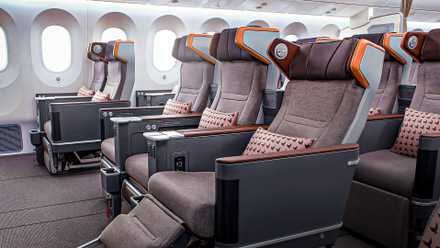
This Airline’s New Premium Economy Seat Reclines 8 Inches Without Touching The Passenger Behind
Having been the first to introduce premium economy, EVA Air has now looked to one-up rivals again.
Better Sleep Creates Better Travel Outcomes

Seat recline works together with bedding and support features to improve sleep quality during long flights. Research from travel and sleep studies consistently shows that passengers experience less physical fatigue when seated in positions that better support spinal alignment and leg circulation. Even a modest recline angle of seven to nine inches (18 to 23 centimeters), compared to roughly three to five inches (eight to thirteen centimeters) in economy, can reduce back pressure and make it easier for passengers to rest comfortably for extended periods. Premium economy products from airlines like Qantas and Singapore Airlines combine recline, leg rests, and adjustable headrests to create a far more practical sleeping environment than standard economy seating.
Passengers also sleep better when they feel less crowded and less anxious during the flight. The quieter atmosphere of premium economy reduces interruptions and helps travelers settle into deeper rest. Many passengers value premium economy specifically because it gives them a realistic chance to sleep for several uninterrupted hours.
In the end, better sleep leads directly to better travel outcomes after landing. Business travelers can arrive ready for meetings and work responsibilities, while leisure travelers begin vacations with more energy and less exhaustion. The ability to rest properly during the journey is what makes premium economy feel genuinely valuable for many travelers.