dailynewsnblog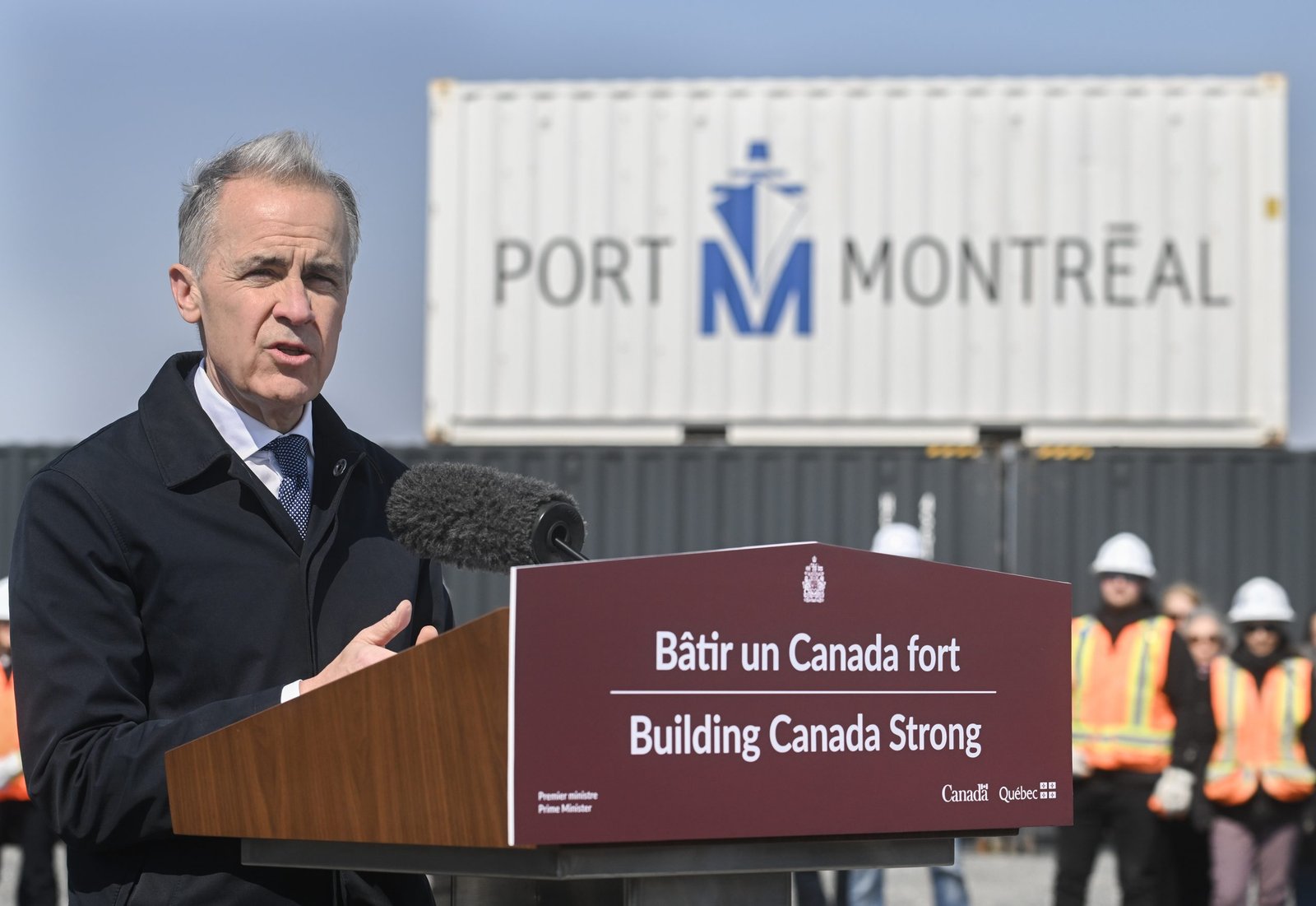
Former federal counsel and assessment expert Carla Conkin cautions the proposed regulatory changes could amount to “shooting ourselves in the foot economically” if it leads to approving projects that cost the public more than they return.
The federal government’s latest slate of proposed changes to accelerate project approvals has drawn the expected polarized response, with industry groups welcoming the streamlining measures while environmentalists flag significant concerns.
As the public scrutinizes the proposals over the next month, experts warn that dismantling some of the checks and balances in the assessment process could backfire by clearing the way for projects where public costs outweigh economic benefits.
Carla Conkin is an environmental lawyer that has worked with the federal government on resource projects for decades.
“My concern is that impact and risk analysis will fall off the charts because they’re focused on getting stuff through,” she said.
READ MORE: Feds propose major overhaul of project assessment process
Conkin worked on the $4.38 billion remediation of Giant Mine in Yellowknife and worries about what weakened project assessment processes could mean for the public purse.
“We have to make sure that the risks, factors, interests and value components are being addressed. Because if we don’t, we’re not going to gain anything on the economic side either.”
Litigation as a huge public cost
The Carney government has framed its approach to building major projects as “how, not if,” with the latest policy package proposing measures like approving projects before they’ve been assessed.
Conkin questions how condition documents and co-operation agreements with provinces will work in practice, saying Ottawa may lack the capacity to ensure long-term compliance.
“I’m concerned that indigenous consultation will fall by the wayside,” said Conkin, adding that this could invite litigation that would end up being a huge public cost.
While the proposed reforms include the creation of a Crown consultation hub that would facilitate engagement with Indigenous groups, they also include the more controversial pitch of creating special federal economic zones.
The discussion paper does not go into length as to what those would entail, but it suggests the government would have the authority to “pre-approve” certain developments within the zones.
Speaking on iPolitics’ No Talking Points podcast, Torys major projects lawyer Claire Seaborn says this could present a huge litigation risk.
“It’s all going to depend on how the government can work with provinces, indigenous communities, local groups to carefully select zones that really will welcome the kind of development that is already being proposed in that area,” she said.
“I think the approach can work, but it is also extremely possible for it to go sideways.”
Some Indigenous groups, like the Assembly of Manitoba Chiefs, have already expressed their opposition to the proposed amendments, while other groups like the Assembly of First Nations have held emergency meetings this week to prepare their response.
Streamlining to compete
Economist and policy advisor David Jones is a senior fellow at the C.D. Howe institute. He says the proposed regulatory amendments could potentially translate to big wins, but there’s also a potential for trade offs.
“If you try to do everything too quickly, you’re almost inevitably going to take away some helpful checks and balances,” he said.
He thinks legislating a one-year timeline for federal reviews could help motivate teams and increase the focus on eliminating duplication, but “putting a deadline doesn’t guarantee quality necessarily.”
Jones argues that the lack of details on the special economic zone proposal is probably intentional. “The more they have to say, the more scrutiny they’ll face.”
Jones also does policy work across the pond, so it stood out to him when the federal government said it needed to streamline its regulations to remain competitive with other jurisdictions like the U.K.
“We’ve been trying to build this high speed rail project going from London to sort of the Midlands for 10, 15 years,” he said. “I definitely wouldn’t put the U.K at the top of the pile.”