dailynewsnblog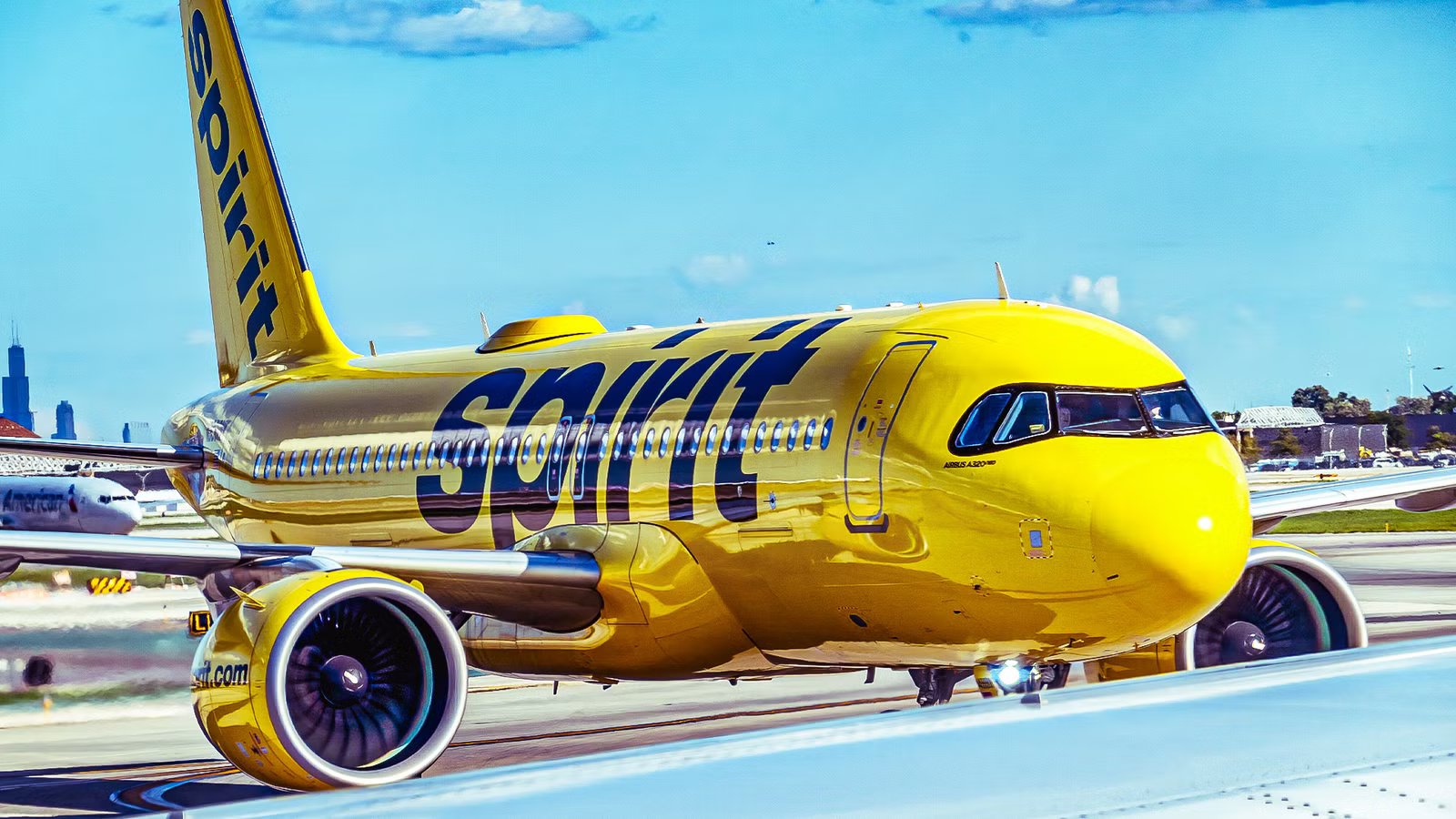
For years, travelers mocked Spirit Airlines while quietly benefiting from everything the carrier represented. The bright yellow planes became internet punchlines, the cramped cabins inspired endless jokes, and the extra fees turned the airline into a meme, yet behind all of that irritation was one uncomfortable reality for the rest of the industry – Spirit forced larger airlines to keep fares lower than they otherwise would have been. Now that pressure is suddenly gone, and the consequences are already becoming visible across the US.
Most coverage surrounding its collapse has focused on the emotional side of the shutdown, particularly the viral video of a pilot breaking down in tears while announcing one of the airline’s final flights into  Dallas/Fort Worth International Airport (DFW), but the more important story for travelers is unfolding quietly inside airline pricing systems. In market after market, routes once disciplined by Spirit’s ultra-low-cost competition are beginning to rise sharply in price, and there is already one recent example that offers a preview of what may happen nationally – when Spirit left
  Minneapolis-St. Paul International Airport (MSP), fares on affected routes doubled almost immediately.
Spirit Airlines’ Collapse Happened Shockingly Fast

Even after years of financial turbulence, many travelers assumed Spirit would somehow survive. The ultra-low-cost carrier (ULCC) repeatedly found ways to restructure debt, cut costs, and stay afloat despite mounting challenges, which created the impression that another rescue package or merger would eventually appear.
Instead, Spirit abruptly ceased operations on May 2 after the collapse of a proposed $500 million government bailout and a massive spike in jet fuel costs. The airline’s restructuring plans reportedly assumed fuel prices around $2.24 per gallon, only for prices to surge to roughly $4.51 by the end of April. For a carrier built around ultra-low fares and razor-thin margins, that increase proved catastrophic.
The shutdown happened almost instantly, and more than 4,000 scheduled domestic flights between May 1 and May 15 were canceled, while approximately 17,000 employees lost their jobs. Spirit Airlines once accounted for around 5% of all US flights, leaving immediate gaps across dozens of routes and airports with its disappearance.
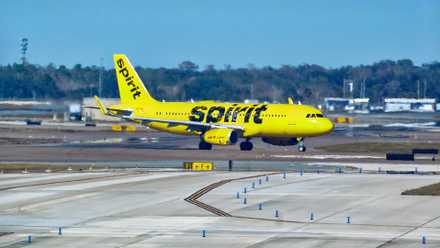
The People’s Carrier: Movement To Restart Spirit Airlines Reaches $22 Million In Pledges
Grassroots supporters have pledged to revive the airline as a community-owned carrier.
The Viral Final Flights Distracted From The Bigger Story

The emotional scenes surrounding Spirit’s shutdown quickly dominated headlines and social media. One of the most widely shared moments showed a Spirit pilot struggling through tears while making an announcement on one of the airline’s final flights into DFW.
For many passengers, that video symbolized the collapse of a company that employed thousands of pilots, flight attendants, and ground staff, and it was undeniably emotional, particularly because the shutdown came with almost no warning for many employees. But the bigger story was always going to be what Spirit’s disappearance meant for airfare pricing in the US. Travelers often viewed the carrier as a cheap, uncomfortable airline they avoided whenever possible, yet it played an enormous role in keeping ticket prices lower across the industry.
Even people who never boarded a Spirit flight regularly benefited from its existence. If the carrier entered a route with aggressively low fares, larger airlines were frequently forced to match those fares to avoid losing passengers.
Spirit Airlines Forced Legacy Airlines To Compete

Spirit’s business model revolved around unbundling, and the airline stripped fares down to the absolute minimum and charged extra for nearly everything else, from carry-on bags to seat assignments. Many passengers hated the experience, but the strategy allowed Spirit to advertise fares that larger airlines struggled to match profitably.
That pressure fundamentally changed the airline industry, and legacy carriers introduced basic economy fares largely because ULCCs such as Spirit and Frontier Airlines were pulling away budget-conscious travelers. Airlines such as  American Airlines,
  Delta Air Lines, and
  United Airlines needed a way to compete at the bottom end of the market without completely overhauling their business models.
This is why aviation economists are increasingly warning about the consequences of Spirit’s demise. The airline’s role extended far beyond the passengers actually flying on its aircraft. Spirit Airlines acted as a pricing disruptor, forcing competitors to remain aggressive.
Without that pressure, airlines suddenly gain more flexibility to raise fares, especially in leisure-heavy markets where travelers prioritize cost above loyalty programs or premium cabins. Airports such as  Orlando International Airport (MCO),
  Fort Lauderdale-Hollywood International Airport (FLL), and Harry Reid International Airport (LAS) are considered particularly vulnerable because Spirit maintained large operations in those markets.
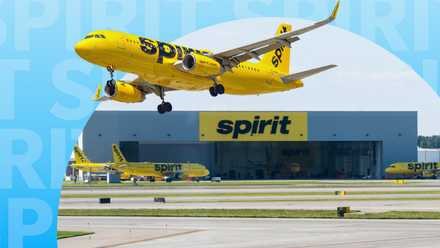
Why Spirit Airlines’ Biggest Fans Love Its “Existence So Much”
Spirit Airlines may be the punchline of many jokes, but its affordable fares and unique experience keep loyal passengers coming back for more.
Minneapolis-St. Paul Already Showed What Happens

Long before Spirit shut down nationwide, there was already evidence of what can happen when the airline exits a market. Late last year, Spirit pulled out of MSP – a market heavily dominated by the  SkyTeam carrier Delta, and average fares on the routes Spirit abandoned soon increased.
Airline executives across the US often argue that fares are driven primarily by fuel costs, labor expenses, and demand, but competition remains one of the most powerful forces in pricing. Once Spirit disappeared from the Twin Cities, the remaining airlines no longer faced the same pressure to maintain bargain-level fares.
Spirit never needed to dominate a market to influence pricing, as even a relatively small number of ultra-cheap seats could force larger carriers to respond. When those seats disappear, airlines can raise fares without losing as many passengers, and MSP now looks less like an isolated example and more like a warning sign of what could happen nationwide. Spirit’s shutdown did not affect just one airport; it eliminated thousands of flights across the country at once.
Certain Cities Could See Major Fare Increases

Not every market will experience the same level of disruption, but some cities appear especially vulnerable because of Spirit’s aggressive competition there. Fort Lauderdale is one of the clearest examples, as the airline built much of its modern network around South Florida and operated a massive presence at FLL. Without Spirit, competing carriers suddenly face less low-cost competition on both domestic and Caribbean routes.
MCO may also face significant pricing pressure, as family travel is highly price-sensitive. Spirit routinely offered extremely cheap fares into Central Florida, forcing larger airlines to stay competitive during major vacation periods. Meanwhile, Las Vegas represents another important market because travelers there often book based almost entirely on ticket cost, and Spirit consistently undercuts competitors on Vegas routes, particularly for short leisure trips where passengers care less about comfort.
 Newark Liberty International Airport (EWR) could become another problem area because the airport already suffers from congestion and limited competition. Spirit provided one of the few major ultra-low-cost alternatives in the New York region, and its disappearance removes a key source of downward pricing pressure.
DFW may experience a subtler shift, but one that is important nonetheless. American dominates the airport, and while Spirit never held a large share, its presence still forced competitive responses on overlapping routes.
|
Ranking |
Airline |
Market Share |
|---|---|---|
|
1 |
American Airlines |
66.1% |
|
2 |
Envoy Air (American Eagle) |
11.6% |
|
3 |
Frontier Airlines |
4.5% |
|
4 |
Spirit Airlines |
4.4% |
|
5 |
Delta Air Lines |
4.0% |
Only 23% Full: Spirit Airlines’ 10 Emptiest Routes Revealed
How many of them can you guess? They had astonishingly poor results.
Other Airlines Will Replace Flights, But Not Necessarily Cheap Fares

In the immediate aftermath of Spirit’s collapse, several airlines moved quickly to announce rescue fares and expanded service. The Department of Transportation (DOT) also coordinated efforts to help stranded travelers and encourage airlines to cap prices temporarily. Frontier immediately positioned itself as the closest replacement for Spirit’s customer base, while major carriers, including American, Delta, and United, offered limited emergency fare caps on certain routes.
But replacing flights is not the same thing as replacing Spirit’s pricing behavior. Legacy airlines operate under very different cost structures and revenue expectations, making it unlikely they can sustain Spirit-level fares over the long term. That distinction matters because Spirit often stimulated entirely new demand with fares so low that passengers booked trips they otherwise never would have considered, and a spontaneous weekend getaway became realistic when a round-trip ticket cost less than a tank of gas.
As the market adjusts to Spirit’s disappearance, passengers may gradually notice that ultra-cheap fares become harder to find, and, as a result, family vacations, quick weekend trips, and last-minute travel could become noticeably more expensive over time. The irony is that Spirit Airlines spent years being mocked as one of the country’s worst airlines, yet its existence quietly saved passengers billions of dollars through competitive pressure alone. MSP already demonstrated what happens when that pressure disappears, and now the same pattern could begin spreading across the country.