dailynewsnblog
Aviation has always been an unlikely crossroads of people and backgrounds. You can fly a 12-hour leg with someone who grew up half a world away or sees life through a completely different lens. And yet, for all that variety, pilots are more alike than they seem. Spend enough time around crews, and you notice the same patterns — the relief of hearing “no MELs today,” the instinctive hotel-room comparisons, and the quiet celebration whenever ATC offers a shortcut.
No matter where someone trained or what accent they check in with on the radio, there’s a shared language in the cockpit that transcends everything else. Most of all, there’s one line that seems to unite every pilot you meet, whether they’re flying a regional turboprop or a long-haul Widebody: “In thrust we trust.” It’s half joke, half philosophy, and entirely accurate — because at the end of the day, pilot trust is built on the machine in front of them. Some aircraft earn that trust slowly over decades. Others win pilots over almost instantly. Aircraft reputations spread quickly within aviation circles, especially among crews who spend thousands of hours evaluating how airplanes behave in difficult situations.
Cessna 172 Skyhawk
The Airplane That Survives Your First Landing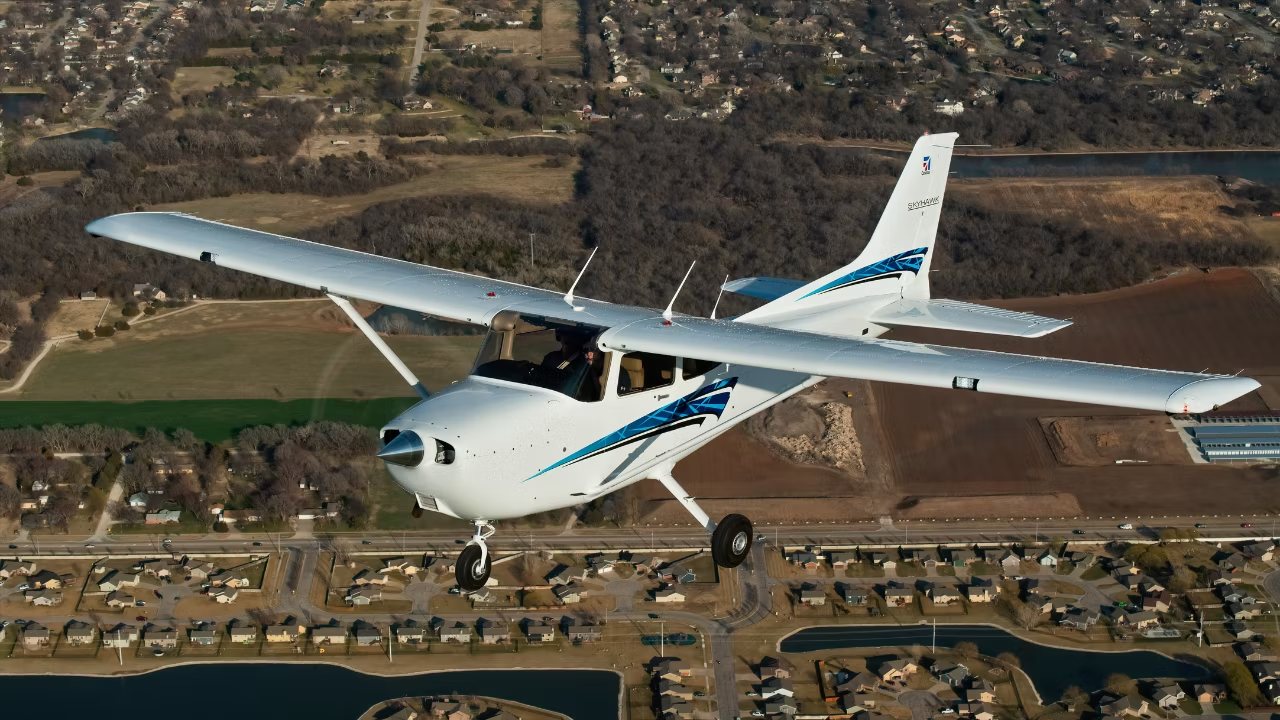
Flight training isn’t gentle, and neither are the landings from brand-new student pilots. As the most produced aircraft in history, with over 44,000 built, the Cessna 172 Skyhawk has taught generations how to fly — and how to trust an airplane. Its high-wing design provides good visibility, its stability makes it forgiving during maneuvers, and its reliability has been proven through countless bounced landings. Its forgiving handling characteristics allow students to make mistakes without immediately getting themselves into dangerous situations. Instructors also appreciate how predictable the aircraft remains during stalls, steep turns, and crosswind landings.
Safety statistics back up its reputation: a fatal accident rate of just 0.56 per 100,000 hours, significantly lower than the general aviation average. Its simple construction, predictable stall behavior, and durability further enhance its standing as the airplane that builds pilots — not scares them. Whether used for flight schools, rentals, or private ownership, the Skyhawk remains the gold standard for reliability and ease of learning. The aircraft’s mechanical simplicity also means maintenance issues are generally easier and cheaper to address compared to more advanced training platforms. That operational dependability has helped keep the Cessna 172 relevant for nearly seven decades.
Key Metrics
|
Units Produced |
44,000+ |
|
Fatal Accident Rate |
0.56 / 100,000 hours |
|
First Flight |
1955 |
|
Endurance (Time) |
4.x hours |
Cessna 172s equipped with the Garmin G1000 bring surprisingly advanced glass-cockpit capability to a training airplane. Its electronic primary flight display (PFD) isn’t all that different from what you’d find in a modern jetliner. For many student pilots, the aircraft serves as their first introduction to digital flight instrumentation and integrated avionics management.

A Complete Guide To Operating A Cessna 172 Skyhawk
Fly with the Cessna 172 Skyhawk, the dependable four-seat leader in general aviation.
Boeing 787 Dreamliner
Advanced Materials and Smart Engineering

The Boeing 787‘s GEnx-1B engines take a different approach from older designs. Instead of using traditional bleed air tapped from the engine for cabin pressurization and hydraulic functions, the Dreamliner runs those systems electrically. For pilots, that means fewer pneumatic issues and a more efficient engine; for passengers, it means higher humidity, lower cabin altitude. The aircraft’s quieter cabin and smoother pressurization profile also reduce fatigue during ultra-long-haul flights. These passenger-focused improvements indirectly benefit crews, especially on flights lasting well over ten hours.
With multiple generators on each engine and more in the APU, systems like brakes, anti-ice, and engine start are also electrically driven. By replacing miles of hydraulic pipes and fluid, the Dreamliner sheds weight and complexity, which is a major factor in its strong dispatch reliability. This architecture also improves fuel efficiency, allowing airlines to operate long-range routes with lower operating costs compared to older widebody aircraft. Pilots often appreciate how the aircraft combines modern automation with relatively intuitive system management.
The Dreamliner’s autothrottle can remain engaged all the way to touchdown, even during a fully manual landing, giving pilots one less thing to manage as the aircraft settles onto the runway. Combined with the Head-Up Display, it meaningfully reduces workload and helps maintain precision in challenging weather or low-visibility conditions. Many pilots also praise the aircraft’s advanced turbulence damping and refined flight controls, which help the airplane feel stable even in rough air. Despite its advanced systems, Boeing intentionally designed the aircraft to retain familiar handling qualities for crews transitioning from older Boeing widebodies.
Airbus A340
The A340’s Strong Record In A Twin-Engine World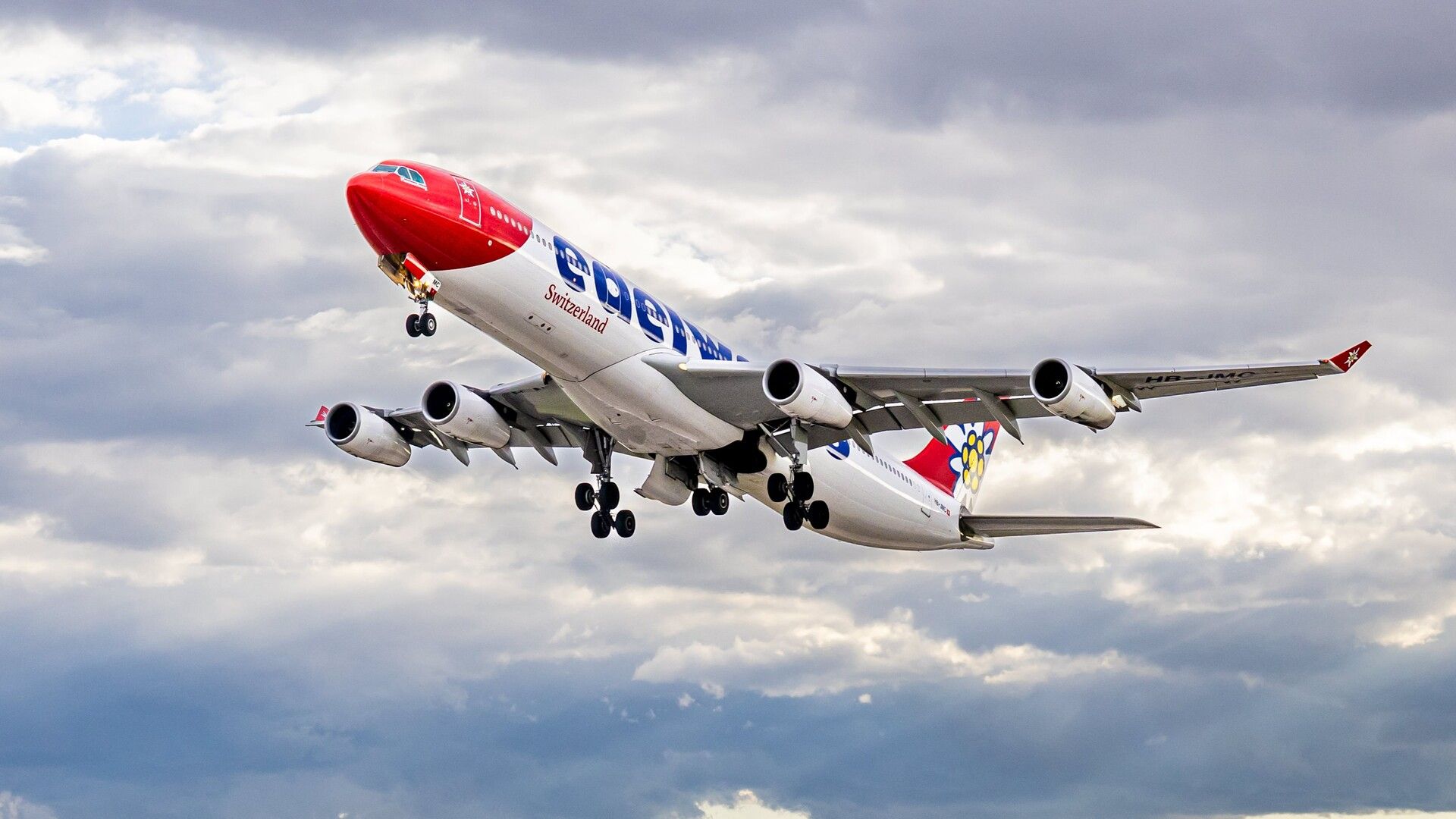
The improved reliability and capability of modern twin-engine airliners have greatly reduced the need for four-engine aircraft, making them far less popular with airlines. Pilots trust the Airbus A340 for its inherent stability and predictable handling, especially on long-haul sectors where fatigue and changing weather can challenge crews. Its long-range capabilities made it particularly valuable during an era when ETOPS limitations were more restrictive for twin-engine aircraft. Even today, many pilots still admire the confidence provided by four-engine redundancy on remote oceanic routes.
Its four-engine layout eliminates ETOPS concerns entirely, giving pilots wide diversion flexibility over oceans and polar regions. This structural redundancy alone earns deep confidence on demanding routes. The cockpit’s fly-by-wire design, backed by multiple flight control computers and envelope protection, creates a flight deck that feels supportive rather than intrusive. ECAM logic, clear system pages, and intelligent alerting simplify abnormal situations, allowing pilots to diagnose issues quickly. For crews, that consistency and clarity reduce workload and build trust over thousands of hours. The aircraft’s highly stable cruise characteristics also make it well-suited for long overnight flights where smooth handling becomes especially important. Many crews describe the A340 as calm and predictable rather than overly reactive.
Why Did Airbus Build The A340 With 4 Engines?
This famous quadjet was designed in the late 1980s.
Beyond its systems, the A340’s reputation for reliability is reinforced by the CFM56-5C engines, known for exceptional dispatch rates and robust performance even during long, high-power cruise segments. Combined with mature maintenance data and a calm, steady ride characteristic of the A340 family, pilots view the aircraft as a dependable, forgiving platform—one that simply looks after them.
Airbus A320 Family
The Benchmark for Modern Narrowbody Reliability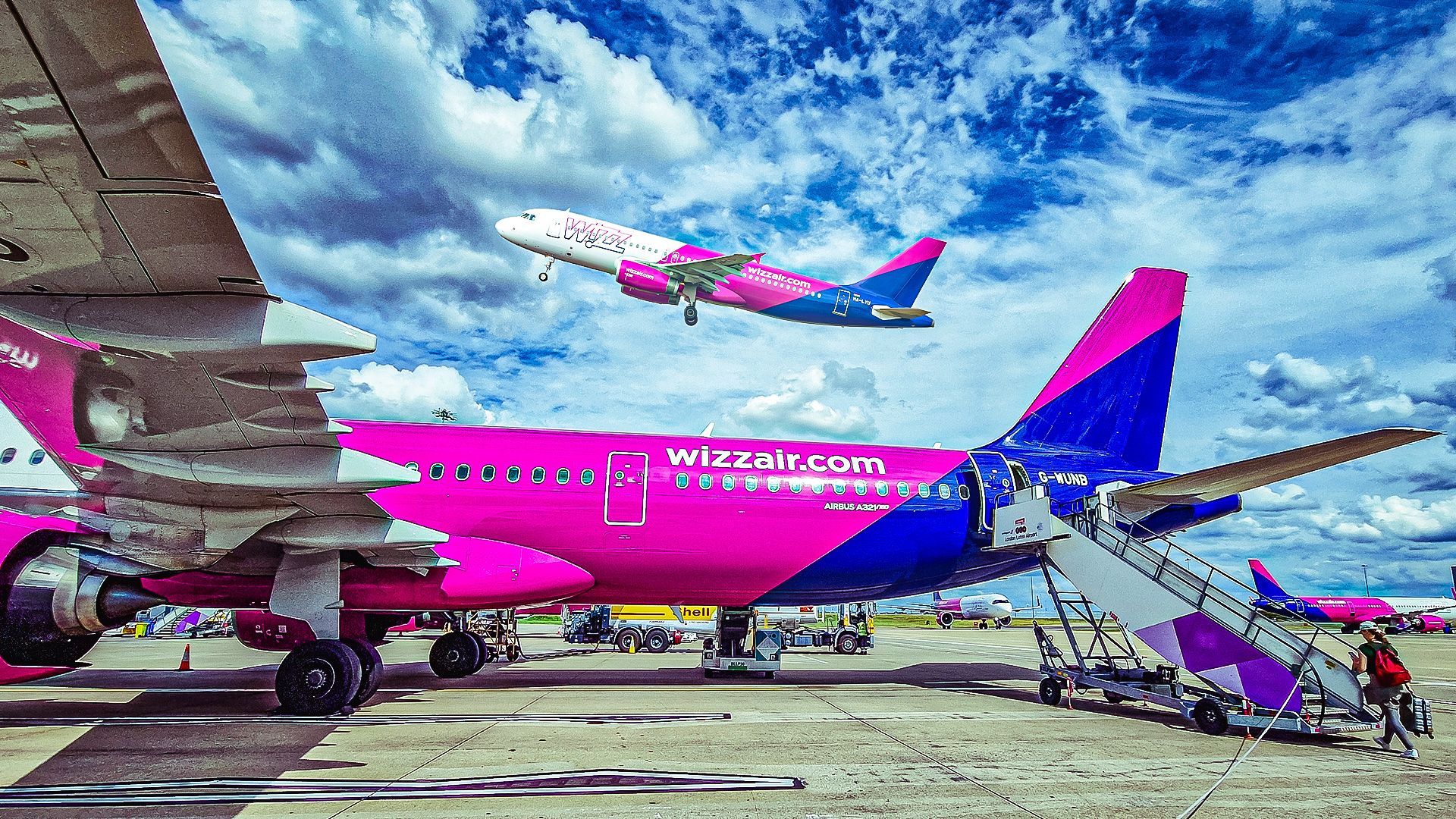
Few aircraft in history have accumulated as much pilot trust as the Airbus A320 family. With more than 100 million flight hours and four decades of continuous refinement, the A320 has become the symbol of consistency in short and medium-haul operations. Its advanced flight control systems were designed to minimize human error through protective flight envelopes. Over time, those protections became a defining characteristic of Airbus cockpit design.
Modern “neo” variants have pushed the boundaries of reliability even further, boasting an operational reliability rate of 99.7%. This means that in nearly every instance, the aircraft is ready to go exactly when the pilot and passengers are, reducing the stress of technical delays during busy multi-leg duty days. For pilots flying multiple sectors per day, dependable turnaround performance becomes especially valuable.
Here’s Why Airbus Doesn’t Seem Fazed Over Boeing’s Push For The 737 MAX 10
Airbus isn’t losing sleep over Boeing’s 737 MAX 10, and here’s why.
Pilots frequently praise the A320 for its predictability and ergonomic cockpit. The absence of a yoke creates a noticeably more spacious flight deck compared to that of the Boeing 737. Additionally, unlike the Boeing 737, the A320 offers fully automated seat adjustments, providing pilots with a more comfortable, ergonomic working environment. Pilots transitioning between A319, A320, and A321 variants also benefit from highly standardized cockpit layouts and procedures. This commonality reduces training complexity and allows crews to adapt quickly between different aircraft within the same family.
Boeing 777
What Makes The Triple Seven A Pilot Favorite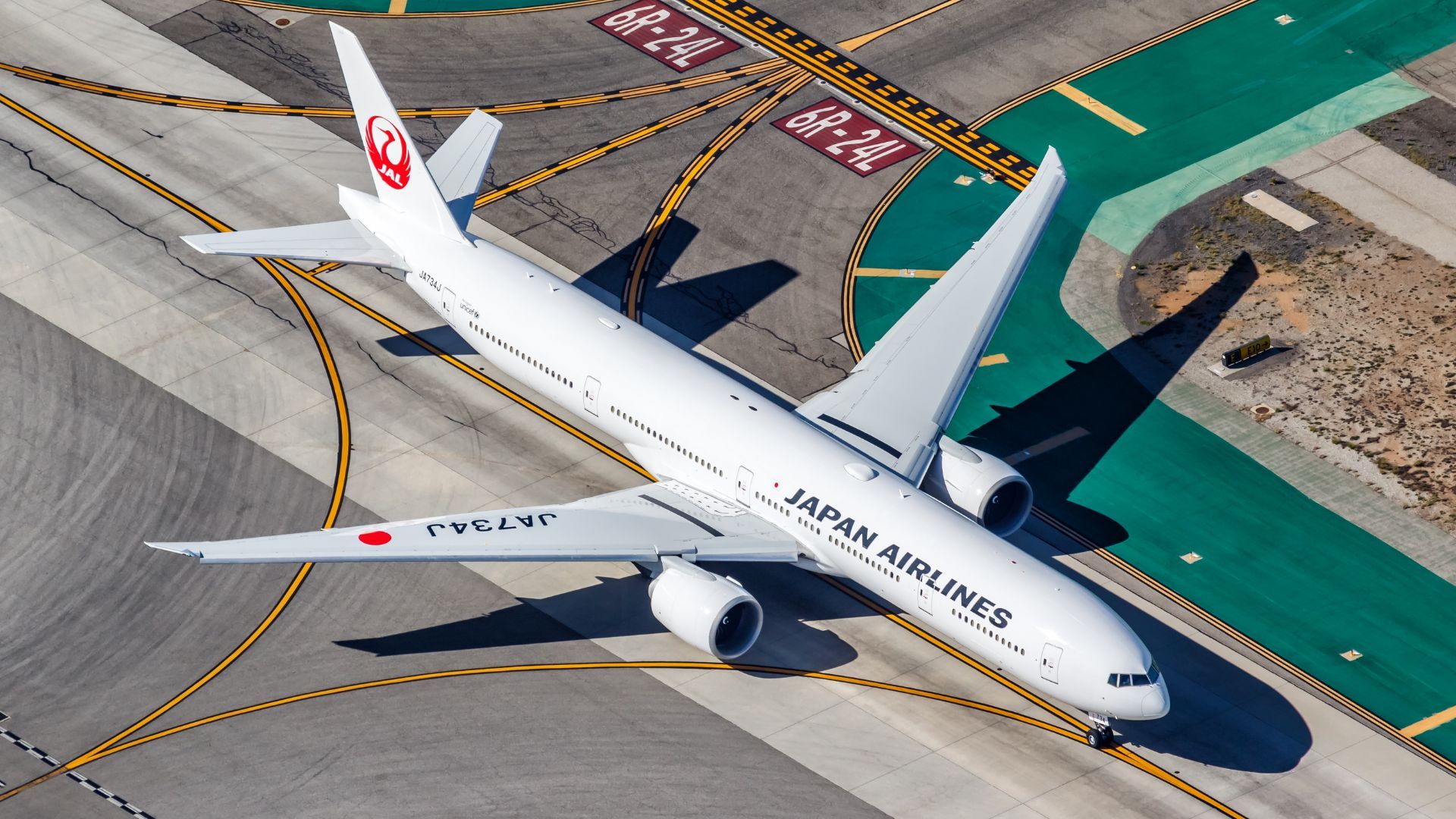
Many pilots who have flown the Boeing 747 and 787 often single out the “Triple Seven” as their favorite. Pilots trust the Boeing 777 because its systems are straightforward, familiar, and easy to manage when workload spikes. While the 787 offers advanced tools like the CCD and touchpad-based inputs, these can be harder to use in turbulence. In rough conditions, the 777’s classic, intuitive interfaces often feel more reliable and pilot-friendly. Its large physical controls and highly readable displays are especially appreciated during demanding operational conditions. Many crews describe the aircraft as combining modern capability with traditional cockpit practicality.
Reliability is where the “Triple Seven” truly shines. The 777-300ER maintains a schedule reliability rate of 99.5%, leading Boeing to claim it is “on time, nearly all the time.” With over 3.9 billion passengers flown safely, its track record for mechanical integrity is virtually unparalleled in the widebody segment. The aircraft’s powerful GE90 engines also contribute heavily to pilot confidence, particularly during long-haul operations over remote regions. Even after decades of service, the 777 continues to maintain one of the strongest reputations for dispatch reliability among widebody aircraft.
|
Boeing 777-300ER |
Boeing 787-9 |
|
|
Thrust Per Engine |
115,300 lbs |
71,000 lbs |
|
Capacity |
365 Passengers |
280 Passengers |
|
Length |
242 feet 5 inches |
206 feet 8 inches |
While the Dreamliner offers a significantly more comfortable experience with its lower cabin altitude and higher humidity, reducing crew fatigue on long-haul routes, many pilots still prefer the Boeing 777. The “Triple Seven” remains the favorite due to its unparalleled performance, intuitive manual handling, and legendary mechanical ruggedness. Pilots frequently mention that the aircraft feels remarkably responsive for its size, especially during manual flying. That combination of stability, power, and predictability is a major reason why the Boeing 777 remains deeply respected throughout the aviation industry.