dailynewsnblog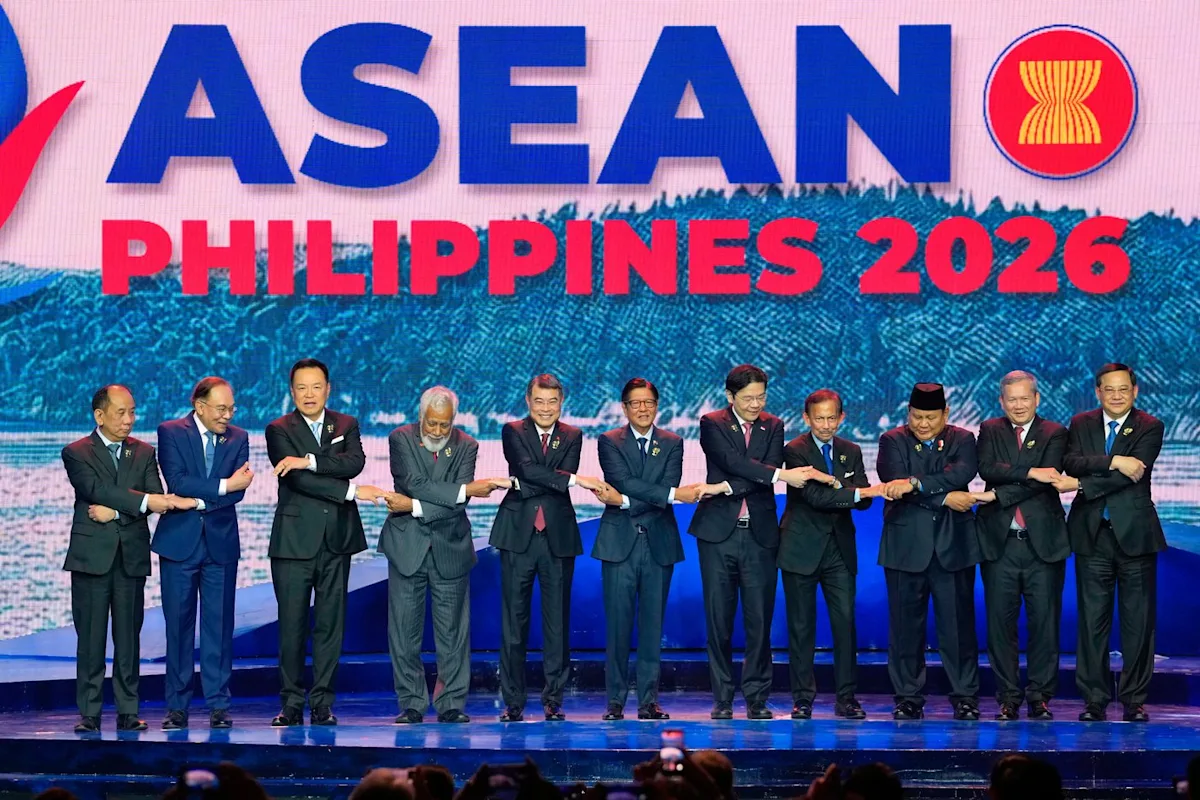
CEBU, Philippines (AP) — Southeast Asian leaders met in an annual summit Friday under intense pressure to mitigate the impact on their people and economies from the Iran war, which one top minister said, “should not have occurred in the first place.”
The alarm by the heads of state of the Association of Southeast Asian Nations was underscored by their decision to focus discussions on a contingency plan to ensure their fast-growing region, which imports most of its oil and gas from the Middle East, will have stable fuel and food supplies.
The Philippines is hosting the summit on the central island province of Cebu. President Ferdinand Marcos Jr. has ordered the summit to be stripped of the traditional pomp and pageantry in keeping with the economic headwinds worldwide.
A key dilemma of the ASEAN leaders is how to carry out large-scale evacuations from the Middle East, where more than a million of their citizens work and live, if widespread hostilities flare up again.
Several Southeast Asian citizens have been killed since the United States and Israel launched military strikes on Feb. 28 against Iran. The hostilities have continued sporadically despite a month-old ceasefire, especially in the strategic Strait of Hormuz.
A draft of a joint declaration by the leaders which outlines a contingency plan and which was seen by The Associated Press, called on the regional bloc’s 11 state members to share information and strengthen coordination with international organizations “to ensure the safety and welfare of ASEAN nationals in affected areas.”
Marcos told fellow leaders in a closed-door meeting that the Iran war exposed the weaknesses of Southeast Asian nations to external shocks and warned that recovery could take years even if the war ends now.
“We have seen firsthand the vulnerability of our nations to external factors,” Marcos said. “The domino effect of oil supply disruptions on the various sectors of our countries has affected how we conduct business, how we work, how we live.”
“Even if the tensions de-escalate in time, the damage to critical infrastructure, to vital systems and trust in general will continue to be felt for years to come,” Marcos said.
Known for their conservative and careful rhetoric, top delegates to the ASEAN summit avoided blunt expressions of their disappointment over the continuing hostilities, but Thailand’s foreign minister, Sihasak Phuangketkeow, was more emphatic and called for the current ceasefire between the U.S. and Iran to be extended and assurances for the safe passage of ships through the Strait of Hormuz.