dailynewsnblog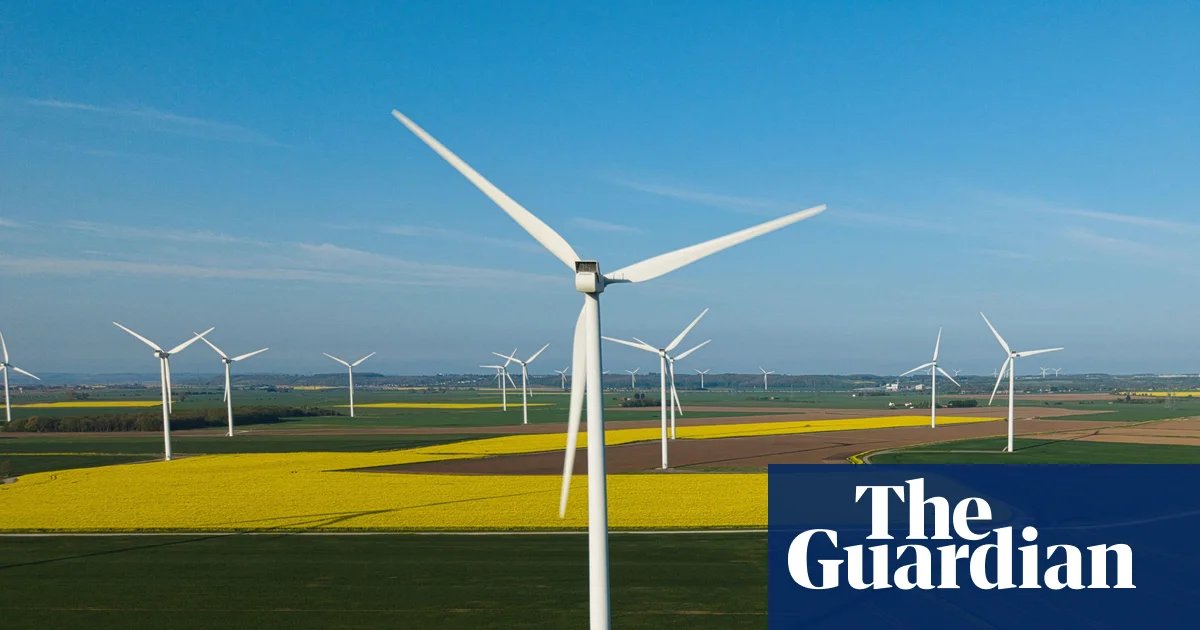
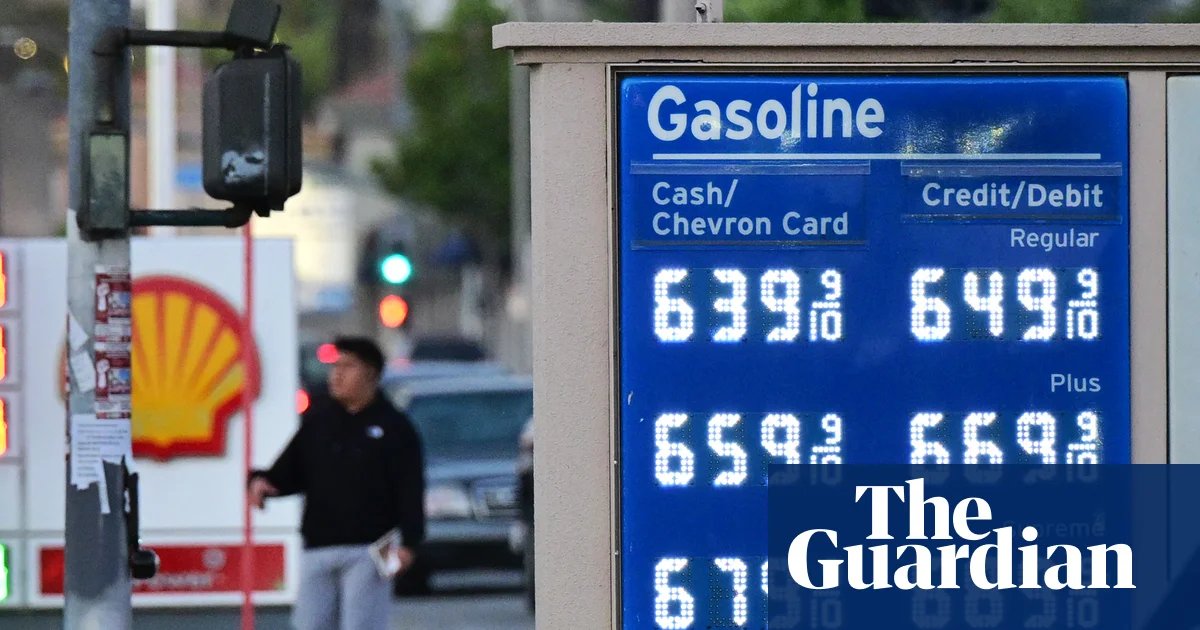
The defining issue of Thursday’s local elections, feedback from doorsteps suggests, will be the UK’s soaring cost of living. But voters should be told about the links between inflation and the affects of fossil fuels and the climate crisis – or the remedies they choose – may make the situation worse, green campaigners have warned.
Ami McCarthy, the head of politics at Greenpeace UK, said: “With people’s bills and prices soaring from yet another fossil fuel crisis, these local elections have a global context – driven by the Iran war.
“Getting the UK out of the fossil fuel doom loop and on to renewables would secure a stable and affordable supply of energy. Voters face a choice between parties that want to keep us hooked on expensive, imported oil and gas, and those that offer a way out of this cycle of insecurity.”
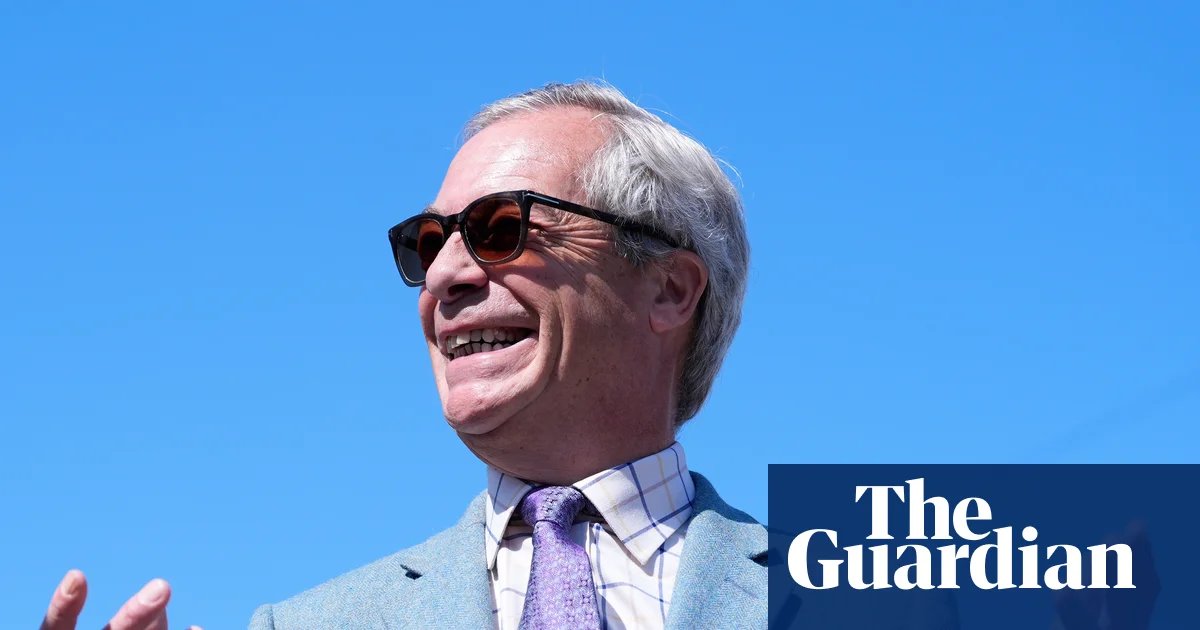
The Reform party, led by Nigel Farage, is expected to do well among the roughly 5,000 council seats up for grabs in England, and to a lesser extent in the Scottish and Welsh elections. The party takes an anti-climate stance, and has vowed to encourage fracking, impose punitive taxes on renewable energy generation, and block solar and windfarms. The Conservatives have also embraced more drilling in the North Sea and played down the climate crisis, without explicitly denying it.
Yet the world’s leading energy economist and the head of the International Energy Agency, Fatih Birol, said new oil and gasfields would do little to improve the UK’s energy security or ease high prices.
Instead, opting to boost renewable energy generation offers a better way out of the crisis, as solar and wind energy are cheaper than oil, more secure, and are not subject to stranglehold by hostile forces, argues Mike Childs, the head of science, policy and research at Friends of the Earth. “Most people in Britain back strong climate action. When the same solutions will bring down bills, restore nature, boost the economy and make our local areas nicer places to live, voters deserve candidates who will act in their interests – not on behalf of polluters or the super-rich.”
Energy is not the only issue. “The need for cheaper bills, better quality housing, access to green space and more frequent bus services are among the top concerns voters care about,” said Childs, after listening exercises carried out by Friends of the Earth groups around the UK.
Water and air pollution were also big concerns, said Ed Matthew, the UK director for the E3G thinktank. “Local people want the pollution blighting their lives to end.”
Tactical voting could play a significant part in the outcomes, according to the VoteClimate initiative, which tracks seats and voting intentions. The group has identified about 1,800 seats where the Green party has a chance of winning, though many of these could be wins from Labour, which also has strong policies on boosting renewable energy and green solutions to ease the cost of living crisis.
About 240 seats across England are “supermarginals” where the difference between defeat and victory for Green party and Liberal Democrat candidates could come down to about 50 votes. Of these, about 114 are seats where the Greens and Reform are likely to be within about 50 votes of one another. These include seats in Hounslow, Croydon and Oxford, with others scattered across the country. Ben Horton, the director of VoteClimate, said most people in the UK wanted strong climate action, but the issue was often ignored. “The climate emergency is accelerating and it’s time our politicians acted like it,” he said.
In rural seats, according to the National Farmers’ Union, leading issues are likely to be planning, rural crime, including the scourge of flytipping, continuing poor internet and mobile phone connections, and food procurement – farmers want at least 50% of food bought by councils, for schools and hospitals and other public purposes, to be locally sourced.
Tom Bradshaw, the NFU’s president, said: “Confidence in the [farming] sector remains severely low. Farm businesses are under extreme cost pressures for feed, fuel and fertiliser, exacerbated by geopolitical tensions, starting with the invasion of Ukraine and most recently war in the Middle East, coupled with unpredictable climate and extreme weather, all impacting on our ability to produce food.”
The answer, suggested McCarthy, will not be more fossil fuels, but taxing those that have contributed most to the cost of living crisis. “People and businesses need support through this turbulent time,” they said. “What better way to raise funds than by properly taxing the eyewatering and meritless profits of oil and gas companies?”