dailynewsnblog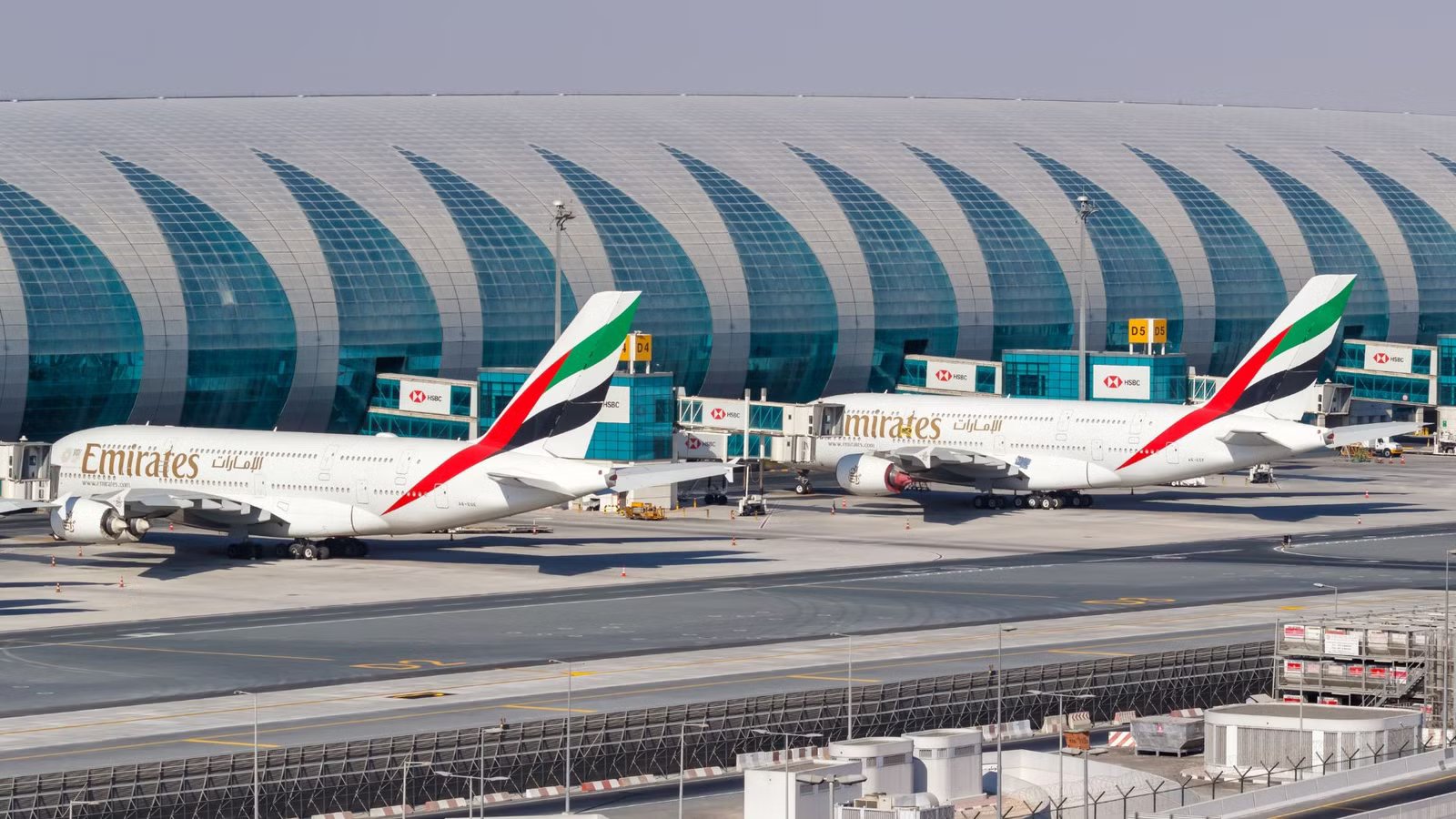
 Emirates has confirmed that it has restored around 96% of its global network while operating through heightened regional tensions linked to Iran. The airline continues to operate services through its hub at Dubai International Airport (DXB), one of the world’s busiest transit hubs. These developments have taken place in recent weeks as missile and drone activity has affected parts of the Middle Eastern airspace from the 2026 Iran Crisis. The situation has required airlines to maintain operations while adapting to rapidly changing safety conditions.
Airspace across the Gulf region has experienced intermittent restrictions, forcing carriers to rely on controlled routing systems known as safe corridors. Officials at Dubai’s main airport have reported more than 114 missile-related alerts since the escalation began, averaging roughly three incidents daily. Despite these challenges, flight schedules have largely been preserved through coordinated responses between airlines, air navigation services, and authorities. The following outlines how operations have continued with minimal disruption and what it means for the wider aviation sector.
Emirates Maintains Operations As Network Nears Full Recovery

Emirates’ return to near-full capacity reflects extensive operational adjustments rather than a simple restoration of pre-conflict flying patterns. Flight dispatch teams continuously evaluate risk zones and redesign routes to avoid restricted or potentially unsafe airspace. Safe, temporary, monitored pathways are established using real-time intelligence and coordination with regional authorities. These routes allow aircraft to transit specific areas under controlled conditions, reducing exposure to potential threats.
At the same time,  Dubai International Airport has remained open throughout the period, even as it responded to repeated missile alerts. Each alert activates predefined procedures that may include short pauses in departures or rerouting inbound aircraft. However, these measures are typically brief and targeted, allowing the airport to avoid widespread disruption. Maintaining continuity at such a major hub is critical, given its role in linking long-haul traffic between Europe, Asia, and Africa. In an online announcement, the carrier confirmed:
“Today, the airline operates to 137 destinations across 72 countries, with over 1,300 weekly frequencies, representing 75% of pre-disruption capacity. The airline is offering more flights, more seats and more options each day while reaffirming Dubai’s position as a vital hub through which global travel moves.”
Dubai Airport Sustains Flights Despite Repeated Missile Alerts

Safe corridor operations depend on constant communication between civil aviation bodies and military monitoring systems. Routes are adjusted frequently, sometimes within minutes, as new intelligence becomes available. Pilots and dispatchers receive updated flight plans that may include altitude changes, diversions, or revised waypoints. This level of responsiveness is essential in regions where risks can evolve quickly.
The Middle East remains one of the most strategically important aviation regions globally, handling a large share of intercontinental traffic flows. Disruptions here can lead to longer flight times, increased fuel burn, and scheduling complications across airline networks. Emirates’ ability to sustain most of its operations highlights both its scale and its investment in operational resilience. It also reflects the broader industry’s experience managing airspace disruptions in conflict zones.
During periods of heightened tension, sections of UAE airspace have been temporarily restricted, requiring airlines to reroute via alternative corridors over neighboring regions or open water. These adjustments are coordinated to ensure separation from risk areas while maintaining efficient traffic flow. The approach allows authorities to prioritize safety without implementing full closures that would severely impact connectivity.
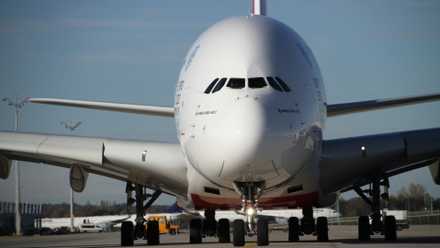
A380 First: Emirates Debuts World’s 1st A380 With Starlink WiFi
The installation of Starlink on the A380 is a feat of engineering, marking a significant milestone for Emirates and the aviation industry.
Safe Air Corridors Enable Continued Aviation Across Restricted Airspace

Cargo operations have continued alongside passenger services, with Emirates’ freight division maintaining key global supply routes. This has been particularly important for time-sensitive shipments, including medical supplies and high-value goods. The ability to sustain cargo capacity during instability helps limit wider economic disruption. It also reinforces the dual role of major airlines as both passenger and logistics providers.
Airlines have faced similar operational challenges during previous conflicts, such as airspace closures over Eastern Europe and parts of Asia. In recent years, advancements in tracking systems and predictive risk analysis have improved airlines’ ability to respond quickly. If regional instability persists, more permanent adjustments to flight paths may emerge. This could reshape traffic flows and increase reliance on alternative hubs.
While the security situation remains unpredictable, the experience has demonstrated how coordinated planning and flexible operations can sustain high levels of service. Emirates and Dubai International Airport continue to operate under enhanced monitoring, balancing safety with the need to maintain global connectivity.