dailynewsnblog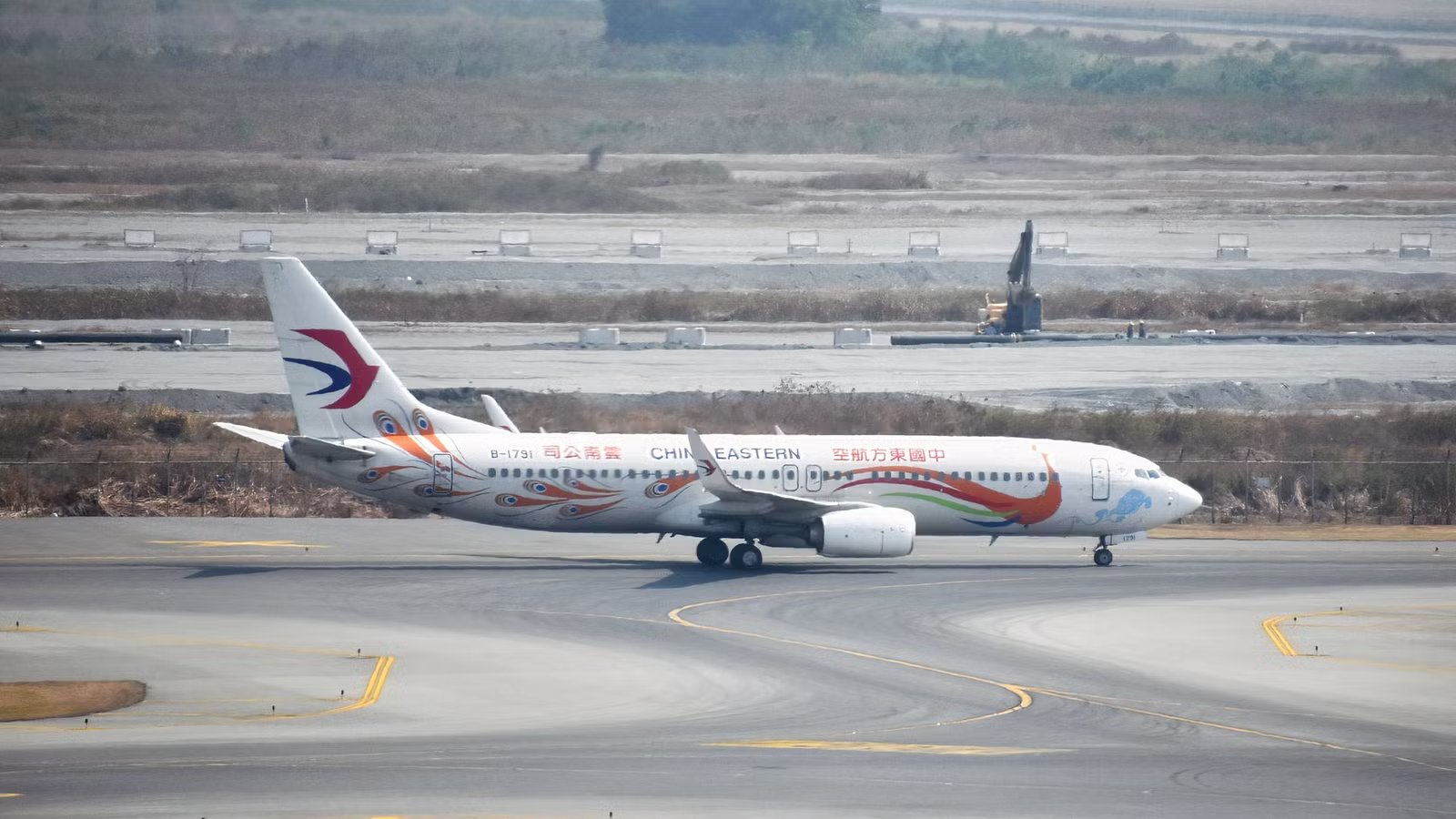
In March 2022, China Eastern Airlines Flight MU5735, a Boeing 737-800, crashed in southern China, killing all 132 people on board. Now, in May 2026, newly leaked details from a US National Transportation Safety Board ( NTSB) report are raising fresh questions about the disaster’s cause, as noted by One Mile At A Time. According to multiple media reports, the aircraft may have suffered a deliberate fuel cutoff mid-flight. These revelations, if confirmed, could reshape the understanding of one of China’s deadliest aviation accidents in decades.
The leak comes after years of limited public information from Chinese authorities, who have yet to release a final accident report. While early speculation focused on mechanical failure, the latest findings suggest a far more troubling scenario involving potential human intervention. As investigators and analysts examine the claims, the aviation world is once again turning its attention to the mysterious final moments of flight MU5735.
Revisiting Flight MU5735: What Happened on March 21, 2022?

China Eastern Airlines Flight MU5735 departed Kunming (KMG) for Guangzhou (CAN) on March 21, 2022, carrying 123 passengers and nine crew members. Roughly an hour into the flight, the aircraft entered a sudden, steep descent from its cruising altitude before crashing into a mountainous area in Guangxi. The jet impacted the ground at high speed, leaving no survivors and creating a deep crater at the crash site.
Initial data from flight-tracking services showed the aircraft dropping from around 29,000 feet into a near-vertical dive, briefly leveling off before plunging again. The unusual flight profile quickly drew comparisons to previous intentional crashes, though investigators initially avoided drawing conclusions. Both the cockpit voice recorder (CVR) and flight data recorder (FDR) were recovered, but detailed findings were not publicly released.
According to reports from CNN and other outlets, early investigative summaries indicated no clear evidence of a structural failure or a midair explosion. The aircraft had no known major technical issues prior to departure, and weather conditions were favorable. This left investigators with a narrowing set of possible causes, including pilot input or deliberate action.
Engine Shutdown Claims And Allegations Of A Deliberate Act

Recent reports based on the leaked NTSB analysis suggest that both engines on the Boeing 737 may have been shut down during the flight. According to the South China Morning Post, the evidence points to a deliberate cutoff of fuel supply, which would have led to a rapid loss of thrust and subsequent descent. Such an action would require manual intervention from within the cockpit.
Further complicating the situation are allegations that Chinese authorities may have withheld key findings from public disclosure. Various media outlets worldwide reported accusations of a potential cover-up, with critics arguing that the lack of transparency has fueled speculation and mistrust. While no official confirmation has been made so far, the absence of a final report more than four years after the crash remains unusual by international standards.
The implications of a deliberate crash are profound. If confirmed, it would place MU5735 alongside other tragic cases of intentional pilot action, such as Germanwings Flight 9525. Aviation safety protocols worldwide have evolved significantly following such incidents, including stricter cockpit access rules and enhanced psychological screening of pilots.
At the same time, experts caution that leaked reports should be treated carefully. Without full context or official validation, conclusions remain preliminary. Investigators typically analyze thousands of data points, and isolated findings can sometimes be misleading without the complete picture.

Air India Flight 171: How Boeing Responds To Tragedy
In the wake of the crash of Air India Flight 171, a Boeing 787-8 Dreamliner, we look at how Boeing has previously responded to fatal accidents.
Broader History Of Suspected Intentional Crashes

The renewed attention on MU5735 comes amid broader discussions about aviation safety and rare but catastrophic pilot-related incidents. One recent example is the ongoing scrutiny of the  Air IndiaBoeing 787 crash, including engine fuel cutoff during takeoff, which has prompted a renewed examination of flight deck procedures and human factors in aviation. While details differ significantly, both cases highlight how complex and sensitive accident investigations can be.
Historically, intentional crashes have been exceedingly rare but deeply impactful, leading to significant changes in aviation oversight and pilot monitoring. These events have shaped how airlines and regulators approach mental health, cockpit security, and real-time aircraft tracking.
In the case of China Eastern Flight 5735, the lack of a definitive public report remains notable. International aviation bodies typically emphasize transparency to improve global safety standards. The ongoing uncertainty surrounding the crash not only affects the victims’ families but also limits the industry’s ability to learn from the tragedy.
As new details emerge, we will be watching closely for any official confirmation or rebuttal. Whether the leaked findings ultimately prove accurate or not, they underscore the importance of timely, transparent investigations in maintaining trust in global air travel.