dailynewsnblog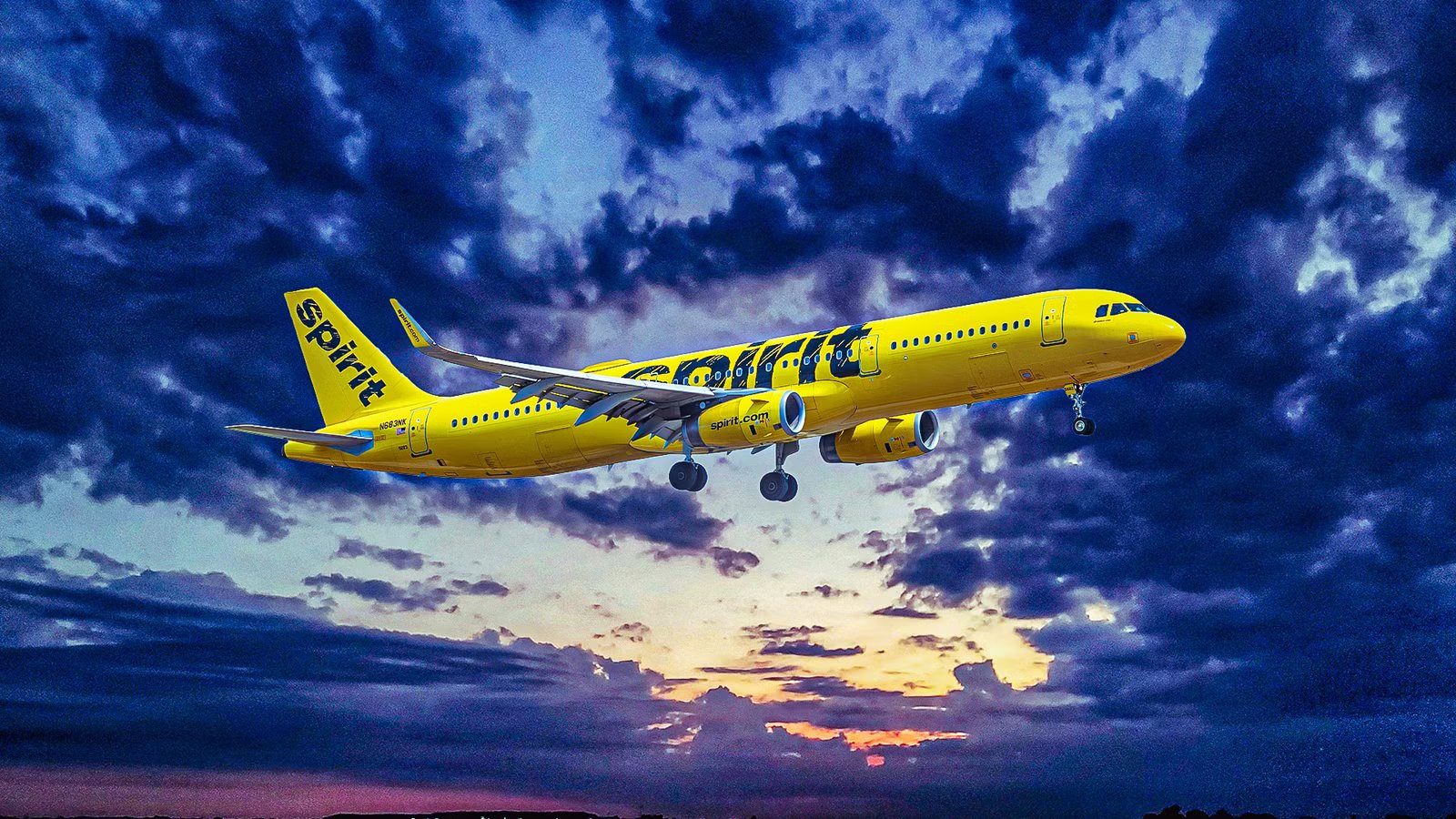
Spirit Airlines may have ceased operations, but a growing grassroots campaign is trying to ensure the ultra-low-cost carrier does not disappear from the skies. Just a day after Spirit’s final flights landed, a community-led initiative called “Let’s Buy Spirit” announced that it had already attracted more than $22 million in public pledges aimed at reviving the airline. The effort, organized online and amplified through social media, proposes transforming Spirit into a publicly supported, community-owned airline modeled after the Green Bay Packers sports team.
The movement has quickly gained traction among former Spirit passengers, aviation enthusiasts, and employees affected by the carrier’s collapse. Supporters argue that Spirit played a vital role in keeping airfare affordable across the United States, particularly for budget-conscious travelers who depended on the airline’s ultra-low-cost network. While the campaign remains in its early stages, its rapid fundraising momentum highlights how strongly some travelers identified with the brand despite its controversial reputation and mixed reviews.
How Spirit Airlines Reached The End

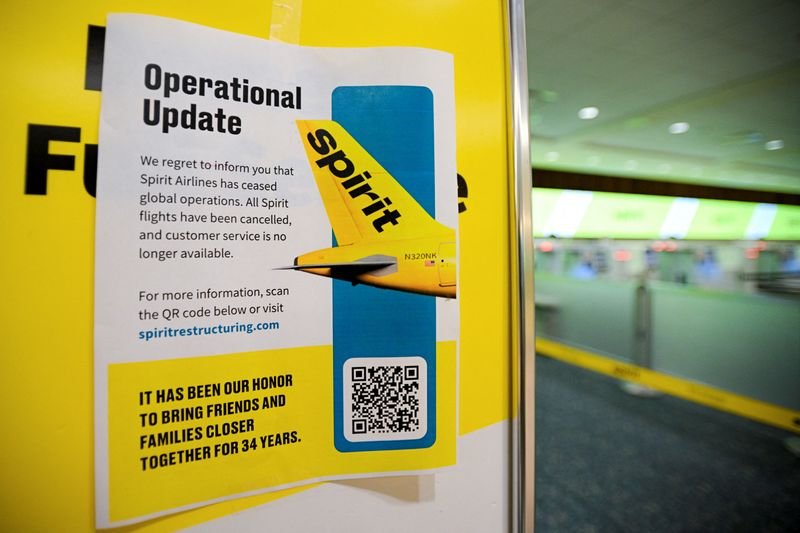
Spirit Airlines officially ceased operations on May 2 after years of mounting financial pressure, multiple bankruptcy restructurings, and failed attempts to secure additional funding. The airline immediately grounded its fleet, canceling all flights and leaving thousands of passengers scrambling for alternatives. The shutdown marked the end of 34 years of operations for one of the most recognizable ultra-low-cost carriers in North America.
The carrier’s final chapter unfolded rapidly. After merger attempts with both JetBlue and Frontier Airlines failed to secure long-term stability, Spirit struggled under rising fuel prices, debt obligations, and increased operational costs. The airline had reportedly explored federal assistance and additional restructuring measures, but negotiations ultimately collapsed. Spirit’s final revenue flight landed in  Dallas/Fort Worth International Airport shortly before the airline formally announced its shutdown.
According to the organizers behind the “Let’s Buy Spirit” campaign, the movement is designed to give ordinary travelers a direct stake in the future of low-cost aviation. The campaign’s website describes Spirit as “The People’s Carrier,” arguing that affordable air travel should not disappear simply because traditional investors walked away from the company.
“The People’s Carrier”: Crowdfunding Effort Aims To Bring Spirit Back

The campaign has gained visibility largely through social media, particularly Instagram, where supporters have been sharing mock branding concepts, fundraising milestones, and proposals for a restructured airline. The account promoting “Spirit 2.0” presents the effort as more than just a nostalgic revival campaign. Instead, organizers frame it as an opportunity to rethink airline ownership in the United States.
Under the proposed model, contributors would effectively help create a publicly supported airline with broad community participation rather than traditional corporate control. While details remain limited, the organizers have referenced the ownership structure of the Green Bay Packers, the NFL’s only community-owned franchise. The Packers model has long been viewed as unique in American professional sports because ownership is distributed among thousands of shareholders rather than concentrated within a single billionaire or investment group.
If the Spirit revival effort were to succeed, it could become one of the first major attempts to apply a similar structure to commercial aviation. That alone has generated considerable discussion across online aviation communities. Airlines have historically relied on institutional investors, private equity groups, or large corporate structures to remain operational due to the industry’s enormous capital requirements.
The idea of a community-owned airline, therefore, represents both an ambitious financial challenge and a symbolic statement about the role Spirit played in the broader market. Despite frequent criticism of ancillary fees, tight seating, and operational disruptions, Spirit dramatically changed the pricing landscape in the United States over the past two decades. The airline’s presence often forced larger competitors to lower fares on overlapping routes, benefiting millions of travelers who never actually flew Spirit themselves.

Stranded & Snubbed: Why Other Airlines Won’t Rescue Spirit Passengers In Florida
The near-bankrupt carrier has some serious problems.
Could Spirit Become Aviation’s Green Bay Packers?

The movement has also attracted attention because of the emotional response surrounding Spirit’s collapse. For many travelers, Spirit represented accessible air travel at a scale unmatched by legacy carriers. The airline connected smaller leisure markets, enabled ultra-cheap domestic vacations, and opened flying to passengers who otherwise may not have traveled frequently. Following the shutdown announcement, social media platforms were flooded with tributes, photos of final flights, and stories from longtime customers and employees.
At the same time, skeptics have questioned whether a community-backed airline could realistically survive in today’s aviation environment. The airline industry remains notoriously volatile, with razor-thin margins, fluctuating fuel costs, labor shortages, and intense competition. Even well-established carriers backed by major investment firms regularly struggle during economic downturns or operational disruptions. Reviving Spirit would likely require not only substantial capital but also regulatory approvals, fleet access, staffing, and a completely rebuilt operational structure.
Still, the campaign’s rapid accumulation of more than $22 million in pledges demonstrates how deeply Spirit resonated with a segment of the traveling public. If the movement ultimately develops into a serious acquisition attempt or remains a symbolic grassroots effort, it has already reignited debate about the future of affordable air travel in the United States. For many supporters, the disappearance of Spirit represents a possible erosion of genuinely low-cost flying.
The organizers behind “Let’s Buy Spirit” continue to promote the idea that the airline’s future should belong to the people who actually use it. In an industry traditionally dominated by corporate consolidation and institutional ownership, that message alone has proven powerful enough to generate millions in public backing within just a day after the Spirit’s shutdown.