dailynewsnblog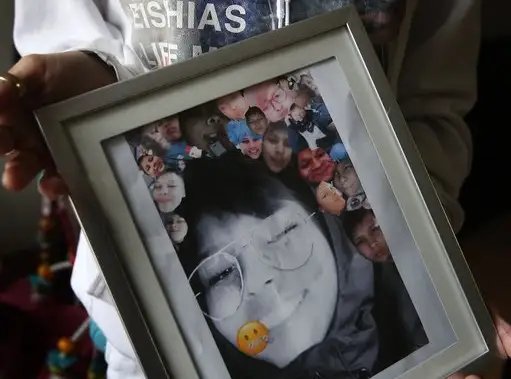
A policing expert recommended Friday that Winnipeg police factor in age and someone’s cultural background when responding to high-risk situations.

Peter Rampat, a former Toronto officer and an instructor at the Ontario Police College, testified at an ongoing fatality inquest into the police-shooting death of a 16-year-old First Nations girl.
Rampat said the Winnipeg Police Service’s use-of-force policy doesn’t take into account recently developed de-escalation tactics, scenario-based training, alternative options as well as someone’s age, ethnicity or ability to carry out a threat.
Eishia Hudson was shot in April 2020, after officers responded to reports of a liquor store robbery and chased a stolen Jeep that Eishia was driving.
The inquest has heard the vehicle rammed a police cruiser and hit other vehicles during the pursuit before an officer fired two shots.
“This is both a tragic situation, and a complicated and challenging situation for anybody involved,” said Rampat.
“I try to bring balance to the conversation… I think it starts with training. That’s where it starts. Good solid training, rooted to best practice, national standards.”
Const. Kyle Pradinuk previously testified that he shot at the Jeep’s driver because he believed fellow officers could have been hit by the moving vehicle.
Rampat told court this week that Pradinuk’s actions were not reasonable and consistent with training policies. Rampat said the harm the officer caused the girl exceeded the harm he was trying to avoid.

Get breaking National news
Get breaking Canada news delivered to your inbox as it happens so you won’t miss a trending story.
Rampat said de-escalation tactics are important when looking at ways to avoid use of force.
“You can’t just look at a subject’s behaviour and say, ‘I can automatically go to a force option.’ You must consider: ‘What else can I do? Is that a good option? Is it a viable option right now? Or will it put me or someone else in jeopardy?”’ he told the inquest.
The service should also expand its training to include techniques like tactical breathing and mindfulness, which help to improve decision-making, said Rampat.
It should also incorporate real-life examples into its training, he added.
Issues of race and age have been prominent topics throughout the inquest. Police had initially identified the robbery suspects as Indigenous and between the ages of 15 and 18.
Rampat said age and race should have been considered when officers were deciding whether to use force.
Younger people are “more prone to panic, to knee-jerk reactions. Their inhibitions are much, much lower. So you must be aware of that,” he said.
The inquest is not only examining whether the officer’s use of force was appropriate but also whether systemic racism played a role in the shooting.
Rampat testified he couldn’t say whether the shooting was a result of systemic racism.
His conclusion contradicted evidence given in March from another use-of-force expert who said Pradinuk was following police protocol and training.
The inquest heard from Chris Butler, who was retained by Manitoba’s police watchdog as part of its investigation into the shooting, which was completed in 2021.
The Independent Investigation Unit of Manitoba didn’t recommend criminal charges, based in part on Butler’s opinion that Pradinuk’s actions were consistent with police practices.
Butler testified that the service’s use-of-force policy is consistent with other jurisdictions.
Rampat took issue with that assessment, because Butler didn’t use cellphone video that appears to show the Jeep backing away from officers. Butler told the inquest he was hesitant to rely on video evidence from witnesses because it could be altered or corrupted.
During cross-examination Friday, Winnipeg police lawyer Kimberly Carswell argued that Rampat excluded relevant information in his report.
Carswell questioned why Rampat didn’t include some of the witness evidence and the accounts of others in the Jeep when making his analysis.
“The reasonableness of this perception that there is a threat that existed is backed up by numerous witness statements, which say the same. How did you not deal with that in your report?” she asked.
“I guess that’s an oversight on my part,” Rampat responded.
Eishia’s death sparked protests and calls for a public inquiry into police-related deaths of Indigenous Peoples. She was one three First Nations people killed in a 10-day period in Winnipeg that year.
Inquests don’t assign blame but can issue recommendations to help prevent similar deaths.
© 2026 The Canadian Press