dailynewsnblog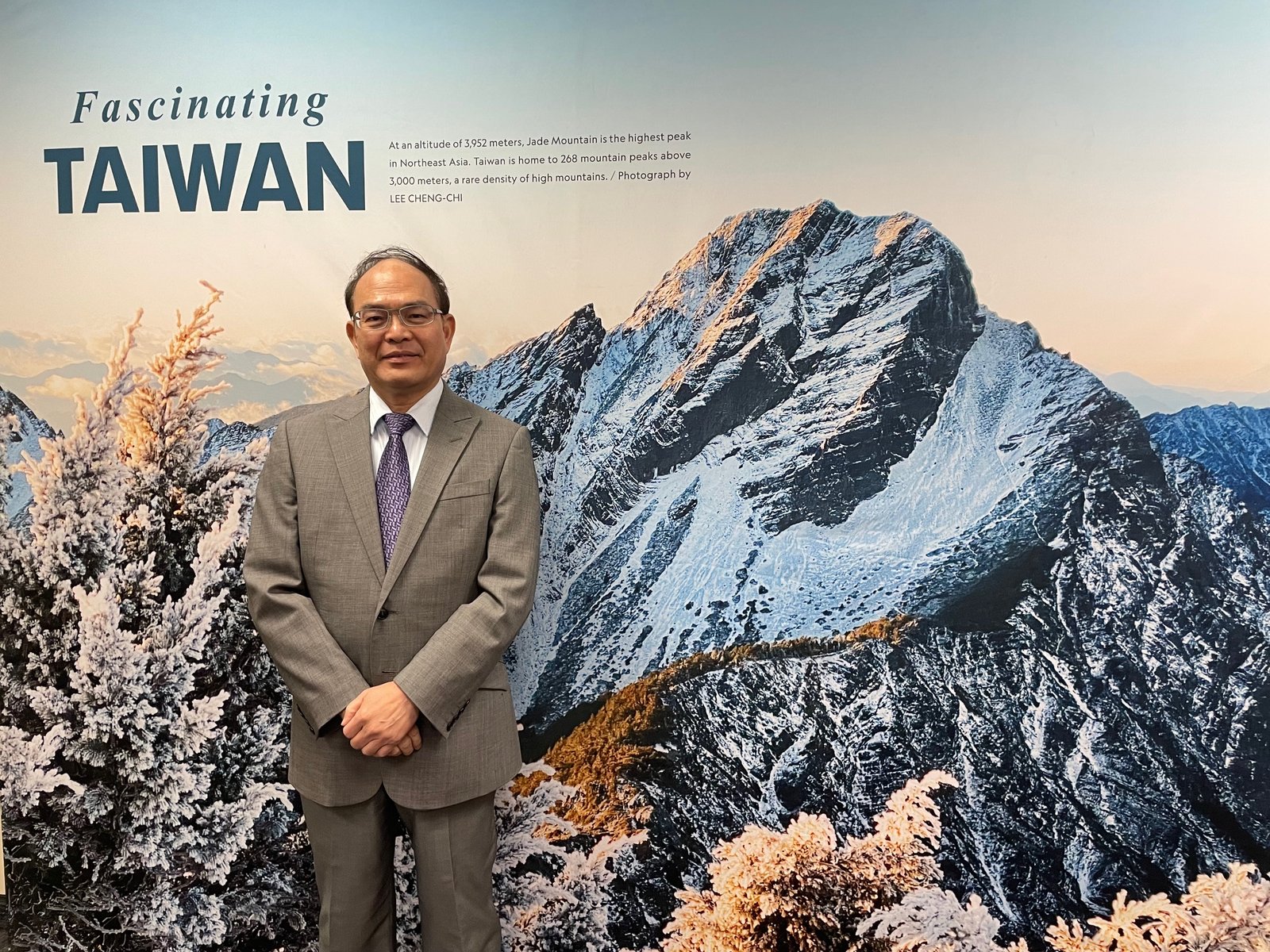
Taiwan’s envoy in Ottawa is pushing back against Beijing’s warning to Canada, calling the remarks “absurd” while pointing to growing political and military pressure around the Taiwan Strait.
Taiwan’s ambassador to Canada is pushing back against warnings from Beijing to Ottawa, calling recent comments from China’s envoy targeting Canadian MPs and naval activity in the Taiwan Strait “absurd” and counterproductive.
On Thursday, the Globe and Mail published an interview with China’s ambassador, Wang Di, who said Beijing and Ottawa’s ties could be strengthened only if Canada deals with the self-governed island, Taiwan, with certain expectations.
Taiwan, a de facto autonomous island state, is regarded by the Chinese Communist Party as a rogue province that must be reunited with mainland China. Ottawa regards Beijing as China’s sole representative but still maintains trade ties with Taiwan.
In an hour long interview with iPolitics, Ambassador Harry Tseng said it’s a standing practice for the Taipei Economic and Cultural Office in Canada to organize a parliamentary delegation to visit Taiwan.
Wang told the Globe and Mail that Canadian Parliamentarians have official status, so conducting any “official engagement” with the Taiwan side would be “hurtful” to relationship with Beijing.
Tseng said the sudden withdrawal of two Liberal MPs in January may have been seen as a warning from Beijing to curb Canadian parliamentarians visits to Taiwan, but in early April, his office instead sent a delegation of ten senators.
Conservative Senate Leader Leo Housakos led the delegation.
“I’m proud to say that I was in Taiwan, meeting with their lawmakers, just a couple of weeks ago,” Housakos wrote in a post on X Friday morning. “My second visit in recent years and I will go again.”
Tseng said diplomacy is rooted in dialogue and mutual understanding, not one-sided declarations, suggesting the envoy’s remarks risk backfiring by prompting stronger reactions from Canadian MPs, particularly those who have visited Taiwan.
“It’s not that you have a bigger voice, and you are the winning side,” Tseng said. “I don’t think this kind of proclamation unilaterally from the Chinese envoy will be a good approach to be honest.”
Tseng also pushed back on Beijing’s characterization of the Taiwan Strait, rejecting claims it constitutes China’s “internal waters.”

He said the strait, roughly 160 kilometres wide, falls largely beyond any country’s territorial limits under international maritime law, making it an international waterway where freedom of navigation applies.
“It’s totally untrue according to the International Law of the Sea, your territorial waters is 12 nautical miles out of your coast, and then another 12 nautical miles,” Tseng said. “That’s what they call a contiguous zone.”
He added, it’s not only Canada who goes through this transit, but also the U.S., Australia, U.K. Japan, France and Netherlands’ warships.
When asked if sending a delegation would further jeopardize the trade relationship between Ottawa and Beijing, and Taiwan, Tseng said this would be a form of trade weaponization.
He pointed to China’s sanctioning on Canadian canola oil, which saw a reduced tariff following Prime Minister Mark Carney’s visit to Beijing in January.
“It’s a very good and easy trade to do for the canola seed oil farmers… as a bulk, but then you are putting yourself in a vulnerable situation if they decide to retaliate,” he said.
The ambassador also pointed to a recent event hosted by the Taipei Economic and Cultural Office in Ottawa last Thursday as a possible factor behind the remarks.
The event focused on countering transnational repression and brought together members of Tibetan, Hong Kong, Uyghur and Taiwanese diaspora communities, which Tseng noted all shared experiences of pressure linked to Beijing.
“You cannot assume that the Chinese Embassy did not know about our event until it had happened, I think they knew about it,” Tseng said.
Following the article, Conservative MP Melissa Lantsman also weighed in on the issue on X.