dailynewsnblog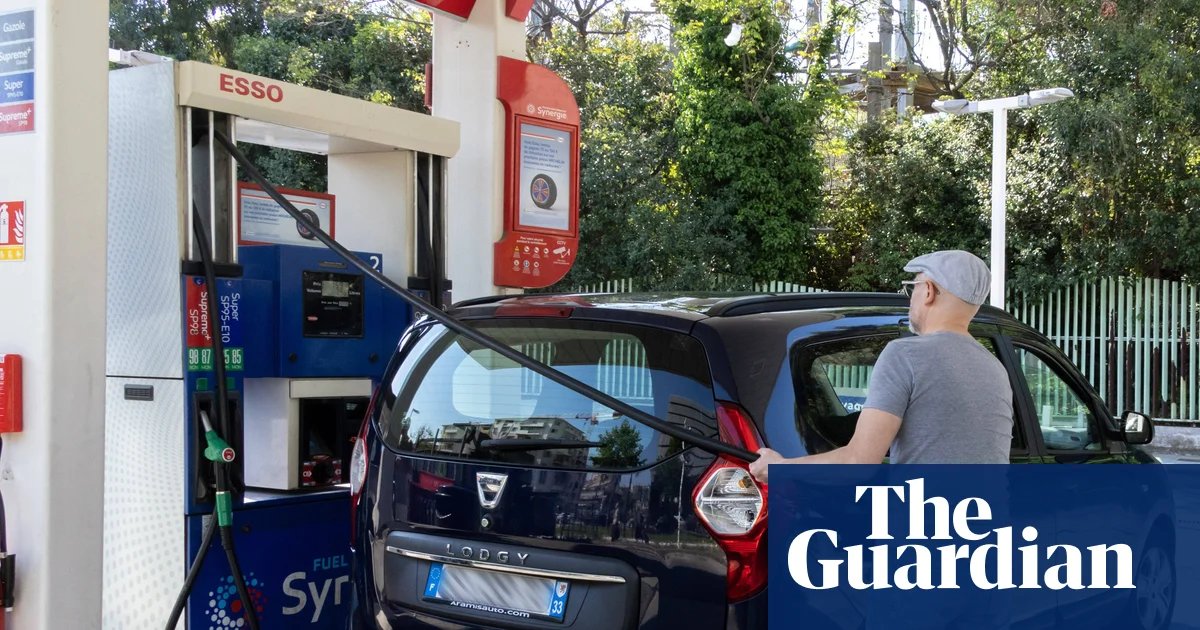
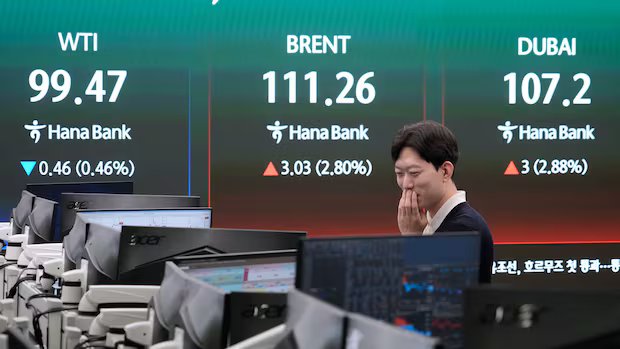
Inflation across the eurozone has soared to 3% this month as the Iran war drove up energy prices and growth stumbled.
Consumer prices rose by 3% a year across the single currency bloc in April, data from the statistics body Eurostat showed on Thursday morning, up from 2.6% in the year to March, and 1.9% in February.
That takes inflation further above the 2% target set by the European Central Bank, which is scheduled to set eurozone interest rates on Thursday afternoon.
Energy prices across the euro area surged by 10.9% year on year, up from 5.1% in March. Services inflation slowed to 3.0%, while food, alcohol and tobacco prices rose by 2.5% and industrial goods prices rose by 0.8%.
Eurostat also reported that growth across the eurozone slowed to 0.1% in the first quarter, down from 0.2% in the final three months of 2025.
Among individual countries, Germany beat forecasts with 0.3% growth in the first quarter of this year.
“Almost exactly one year after the new German government – under Chancellor Friedrich Merz – came into office, today’s data suggests that the German economy is better than its reputation implies,” said the ING economist Carsten Brzeski.
“However, it would be risky to assume that today’s performance can simply be continued. The war in the Middle East and soaring energy prices, combined with a lack of structural reform and clear strategy for how to restore competitiveness, do not bode well for Germany’s growth outlook.”
France recorded no growth. Its national statistics body, Insee, said foreign trade had made a negative contribution to French gross domestic product, while household consumption had fallen and production growth had been sluggish.