dailynewsnblog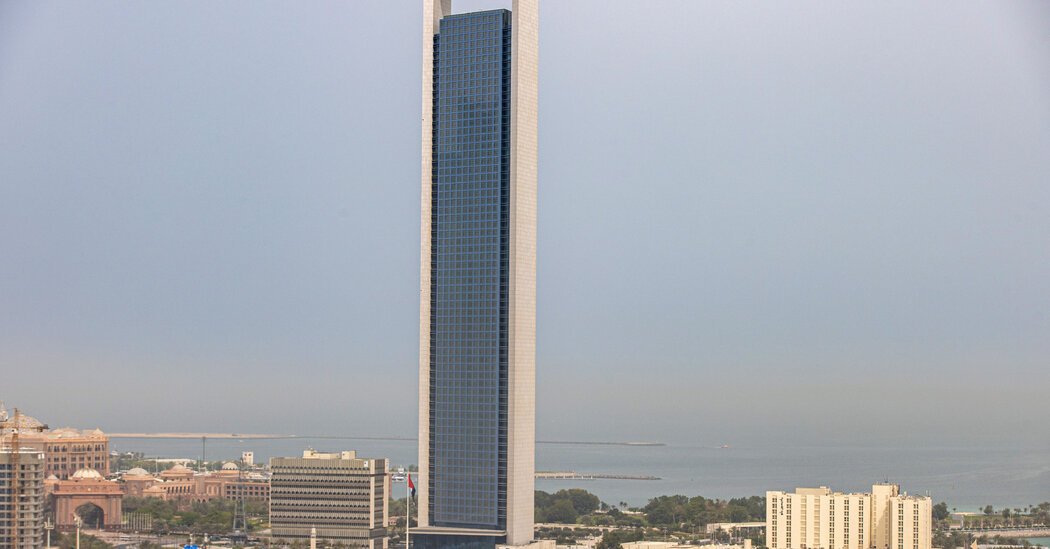
The United Arab Emirates will next month leave OPEC, a cartel of oil-producing countries, its government said on Tuesday, a decision that will weaken the group’s influence over global energy markets.
Emirati officials had long floated the idea of quitting the cartel, complaining that its quotas had unfairly curtailed its oil exports.
The government is now expected to increase its energy production to serve its own national interests. Before the war, the Emirates was producing about 3.6 million barrels of oil per day, according to the International Energy Agency — roughly 12 percent of OPEC’s overall production. OPEC countries supplied more than a quarter of the world’s oil before the war with Iran.
A coalition of the world’s largest oil exporters, OPEC was able to steer prices by setting quotas for those countries. But the organization’s power had slipped in recent years as U.S. oil production soared.
The Emirates had belonged to the organization for more than 50 years. Its government decided to leave in light of its “long-term strategy and economic vision,” and because it plans to accelerate investment in its domestic energy production, according to a statement published by WAM, the Emirati state news agency.
The statement referred to the government’s desire to meet the demands of energy markets during a period of geopolitical strain caused by the U.S.-Israeli war with Iran, which has sent oil and gas prices soaring.
“The world needs more energy. The world needs more resources, and U.A.E. wanted to be unconstrained by any groups,” the country’s energy minister, Suhail Al Mazrouei, said in an interview. The Emirates wanted to exit at a time that would cause minimal disruption to oil markets, he added.
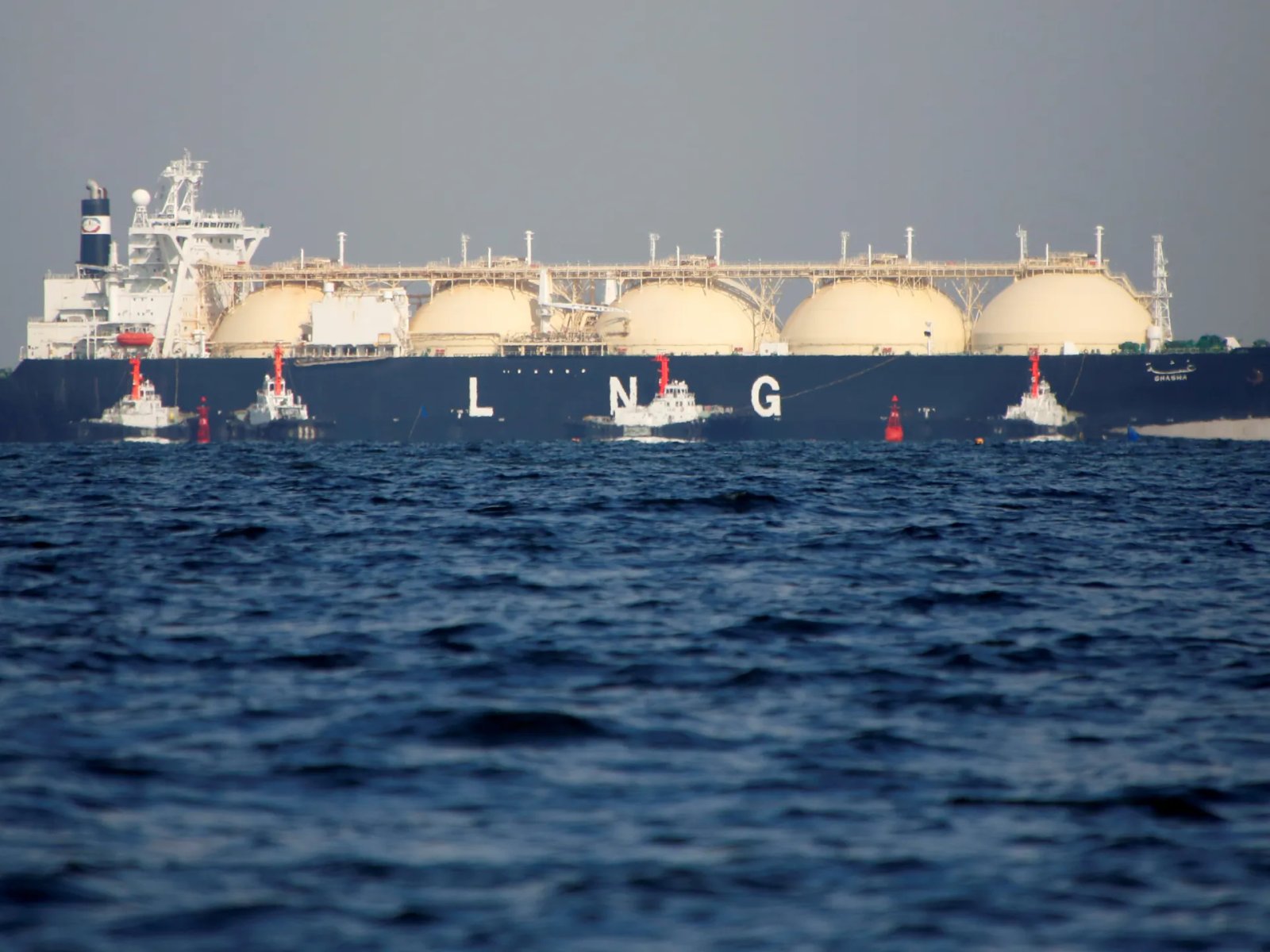
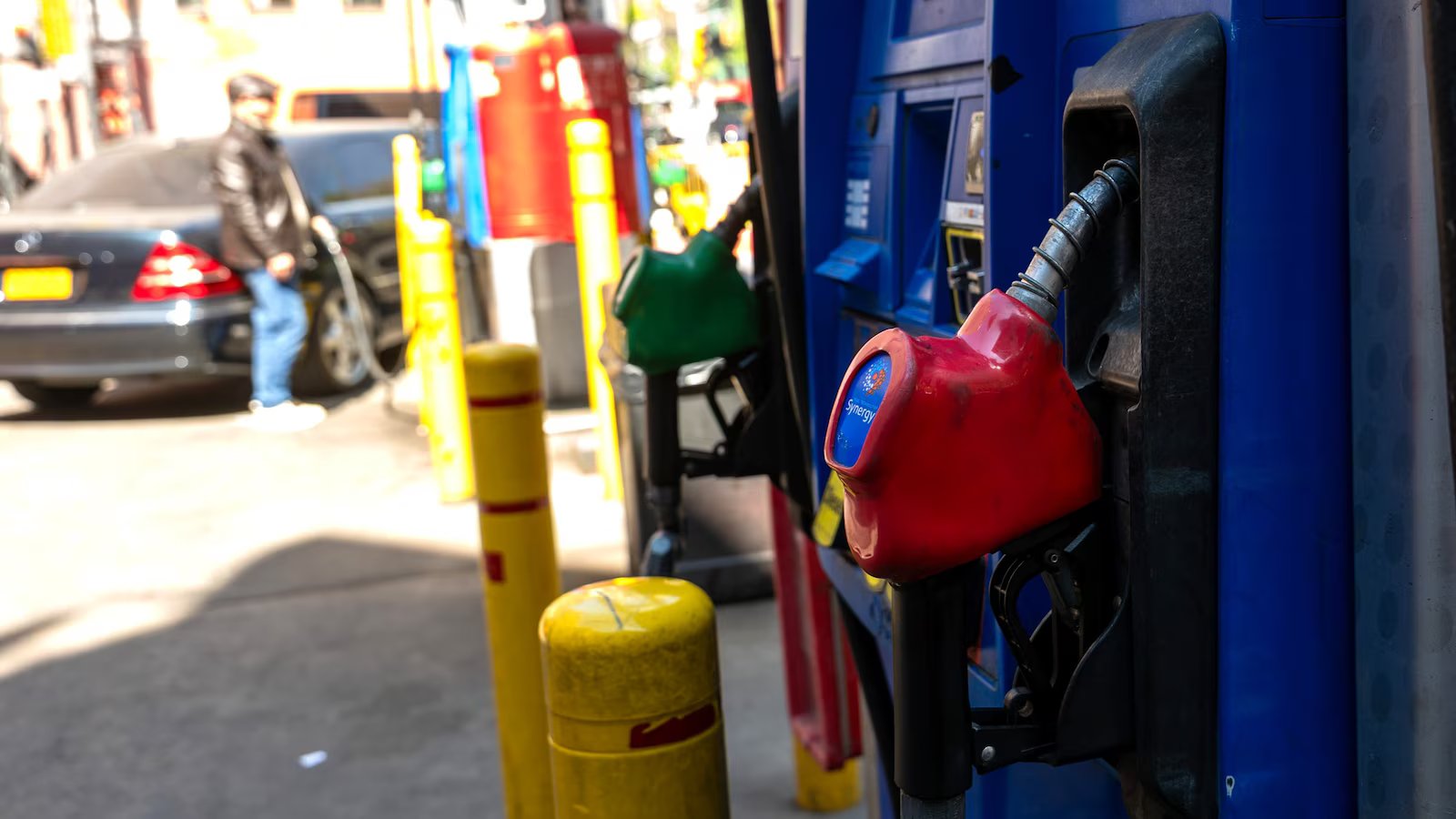
The price of Brent crude oil, the international benchmark, pulled back after the announcement but was still trading 3 percent higher than it was on Monday. Oil has risen more than 40 percent since the first U.S.-Israeli strikes on Iran in late February and the effective closure of the Strait of Hormuz, a transit point for a fifth of the world’s oil.
“We will remain as a responsible producer,” Mr. Al Mazrouei said.
The announcement came amid festering tensions between the Emirates and Saudi Arabia — the de facto leader of OPEC. Once close allies, the two Gulf countries have diverged in recent years. The Emirates has increasingly gone its own way in the region, pursuing closer ties to Israel and backing an armed separatist group in southern Yemen, where the Saudis are supporting the government.
The war with Iran appears to have hardened that rift, as Saudi Arabia and the Emirates weigh differing strategies of how to respond to Iran. The Emirates — which hosts a major U.S. military base — has faced thousands of Iranian missile and drone attacks. Emirati officials have spoken of their dissatisfaction with the response of regional multilateral organizations, including the Gulf Cooperation Council and the Arab League, hinting that they would have preferred a harsher unified stance against Iran.
“Every Gulf state had its own policy of containment toward Iran, and all of those containment policies have failed,” Anwar Gargash, a senior Emirati official, said in Dubai on Monday. “All our policies have failed miserably.”
Oil policy has, for years, also been a key source of tensions between the Emirates and Saudi Arabia.
“While Saudi Arabia aims to sustain oil markets for the next century, the U.A.E. feels no such urgency,” said Bachar El-Halabi, senior analyst in Dubai for Argus Media, a commodities research firm. “Because their economy is more diversified, they do not require high oil prices to balance their budgets, allowing them to prioritize volume over price support.”
The Emirates’ decision comes after Ecuador and Qatar left the cartel in 2020 and 2019. But the Emirates is a much larger oil producer than either country, and its decision is more consequential as a result.
Abu Dhabi — now the capital of the U.A.E. — joined OPEC in 1967, several years before the Emirates became a unified country.
“During our time in the organization, we made significant contributions and even greater sacrifices for the benefit of all,” the statement published by the Emirati state news agency said. “However, the time has come to focus our efforts on what our national interest dictates and our commitment to our investors, customers, partners and global energy markets.”
Ismaeel Naar and Rich Barbieri contributed reporting.