dailynewsnblog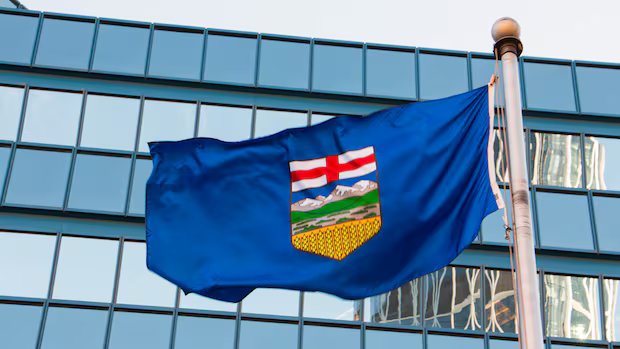
A pro-immigration group has submitted a complaint to Elections Alberta, claiming the province’s new referendum website wrongfully uses taxpayers’ money to campaign in favour of one side.
Avnish Nanda, the Edmonton lawyer who helped create the group, called Our Alberta Advantage, says the Alberta government website is written in a way to influence yes votes by either misrepresenting situations or leaving out certain information.
“That undermines the spirit of democracy,” Nanda told CBC News.
As an example, Nanda pointed out that the Alberta Referendum 2026 website notes temporary residents cost Alberta taxpayers more than $1 billion per year in social services.
On the same page, the website lays out immigration questions, including one weighing a provincial fee for non-permanent residents to use the health care and education systems.
Nanda said this is misleading because it doesn’t include information on how much newcomers pay in taxes.
“People who work here on work visas, student visas, they pay taxes. They contribute to our economy. They pay for the same services the government now wants to charge more for. So I think that’s fundamentally missing from the website,” he said.

On Oct. 19, Albertans will vote on nine questions dealing with constitutional matters and changes to the immigration system. The referendum questions reflect some of the issues that arose at town halls held across the province last year by the Alberta Next Panel.
Gov’t changed rules to promote its position
In a referendum tied to a general election, the provincial government is held to advertising restrictions.
However, an amendment to Alberta’s Election Act approved one year ago changed the rules to remove restrictions on government advertising for a standalone referendum.
A spokesperson for Alberta’s Justice minister’s office pointed out the change in a statement to CBC News.
“The referendum website was developed to ensure Alberta electors have clear information about the referendums, the questions being asked and what their vote means,” added spokesperson Heather Jenkins.
“Under the legislation, restrictions on government advertising and publications that would apply to a referendum held in conjunction with a general election or a local authorities election do not apply to a standalone referendum.”
Still, Nanda said he hopes Elections Alberta will exercise discretion, and apply the same rules across referendums. He called the amendment “a loophole.”
“This was illegal just a few months ago, and for good reason,” Nanda said about the amendment, which took effect in July 2025.
“The government should never be allowed to put its finger on the scale in elections, whether for MLAs or in referendums,” he added in a statement to CBC News.
In a news conference last week, Premier Danielle Smith said the website is meant to help voters make their own decisions on the nine referendum questions by providing “the facts in an accessible and relatable way.”
She also made it clear that the government will openly advocate for its position on the questions.
“These are clearly policies that we would like to get a mandate from. I’m not neutral in it. I think these are the right policies for Albertans,” Smith said.
Smith said the government believes Albertans will vote in favour of these questions, which were crafted based on public consultations done last summer through the Alberta Next Panel.
The government rephrased some of their panel survey questions last summer after members of the public said the questions were slanted and misleading.
“Albertans wanted us to build an immigration system that is sustainable, and they wanted us to do more to defend Alberta’s sovereignty within a united Canada. And that’s exactly what we intend to deliver,” she said.
Political scientist Lori Williams said it’s normal for governments to pose referendum questions they support. But the information on the website, such as about costs related to newcomers, needs more clarity, she said.
“What difference could any of these policies make, because after all, Alberta has invited Canadians from other provinces to come into Alberta. They could also be part of that influence and those costs,” said Williams, an associate professor at Mount Royal University in Calgary.
“The hope is that the information the government is basing its conclusions on will also be made available for independent assessment. And then that will truly give Albertans enough information to make an informed decision.”

An Alberta government website laying out questions — about immigration and the constitution — for upcoming referendums is being criticized by some who say it provides one-sided information.
Albertan creates parody website
Within hours of the launch of the government website, an information technology worker in Strathmore, Alta., launched a parody website called “Alberta Referendumb.”
Stephen Elaschuk said the website was a way to express his frustrations with the government’s messaging.
“If the government is going to do this then and it actually wants to solicit feedback from Albertans, then you can’t just give one side of the story,” he said, with regard to claims of immigration hurting Alberta’s economy.
“The government ran a multi-million dollar ad campaign to bring people to this province. You can’t sit there and say that’s the reason you have to wait so long in an ER. It’s disingenuous and it’s dumb.”
As of Monday morning, the website had received more than 17,500 views since publishing on Friday, he said.

When asked directly about the parody website, the premier’s office directed CBC News to comments made during Thursday’s news conference.
“Being that we are, as a government, looking to a mandate, it’s entirely appropriate that it would be government resources,” Smith said.