dailynewsnblog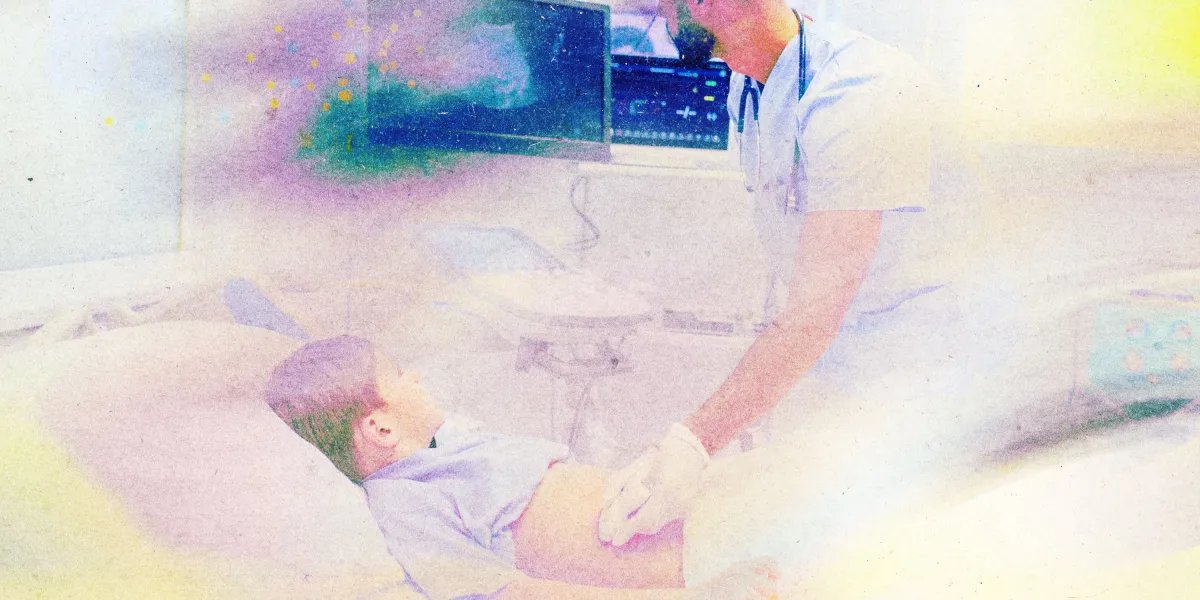
But even a tool that is “accurate” won’t necessarily improve health outcomes. AI might speed up the interpretation of a chest X-ray, for example. But how much will a doctor rely on its analysis? How will that tool affect the way a doctor interacts with patients or recommends treatment? And ultimately: What will this mean for those patients?
The answers to those questions might vary between hospitals or departments and could depend on clinical workflows, says Wiens. They might also differ between doctors at various stages of their careers.
Take the AI scribes, as another example. Some research on AI use in education suggests that such tools can impact the way people cognitively process information. Could they affect the way a doctor processes a patient’s information? Will the tools affect the way medical students think about patient data in a way that impacts care? These questions need to be explored, says Wiens. “We like things that save us time, but we have to think about the unintended consequences of this,” she says.
In a study published in January 2025, Paige Nong at the University of Minnesota and her colleagues found that around 65% of US hospitals used AI-assisted predictive tools. Only two-thirds of those hospitals evaluated their accuracy. Even fewer assessed them for bias.
The number of hospitals using these tools has probably increased since then, says Wiens. Those hospitals, or entities other than the companies developing the tools, need to evaluate how much they help in specific settings. There’s a possibility that they could leave patients worse off, although it’s more likely that AI tools just aren’t as beneficial as health-care providers might assume they are, says Wiens.
“I do believe in the potential of AI to really improve clinical care,” says Wiens, who stresses that she doesn’t want to stop the adoption of AI tools in health care. She just wants more information about how they are affecting people. “I have to believe that in the future it’s not all AI or no AI,” she says. “It’s somewhere in between.”
This article first appeared in The Checkup, MIT Technology Review’s weekly biotech newsletter. To receive it in your inbox every Thursday, and read articles like this first, sign up here.