dailynewsnblog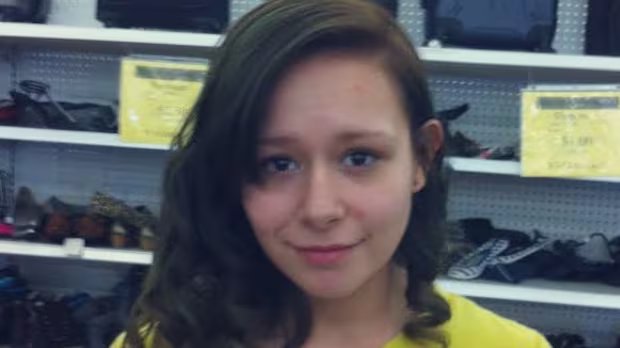

Listen to this article
Estimated 4 minutes
The audio version of this article is generated by AI-based technology. Mispronunciations can occur. We are working with our partners to continually review and improve the results.
After a marathon inquest, a jury is deliberating on how Heather Winterstein died of sepsis after the Indigenous woman sought help at an Ontario hospital over two days, but collapsed in the emergency department on Dec. 10, 2021, while waiting to see a doctor.
Dr. David Eden, the presiding officer at the virtual inquest that began March 30, gave his charge to jurors on Tuesday morning after testimony from about two dozen witnesses.
A coroner’s jury is tasked with answering questions including medical causes of death and how someone died — by natural causes, accident, homicide, suicide or undetermined. Jurors may also come up with recommendations to prevent future, similar deaths, but are prohibited from making any finding of legal responsibility or laying blame on anyone.
In their closing arguments, lawyers for Winterstein’s family and the Niagara Region Native Centre called for a homicide finding.
Niagara Health, which runs the St. Catharines hospital where Winterstein died, and Niagara’s paramedic service both disagree with the homicide argument.
“This jury has heard no evidence whatsoever to support the notion of any intentional act by any person or any system which caused this death,” said Niagara Health lawyer Kate Crawford.

Daina Search is the lawyer for Niagara Emergency Medical Services (EMS), which brought Winterstein to hospital by ambulance on Dec. 9 and 10.
“The evidence before you simply and categorically cannot support a finding of homicide,” Search said.
Instead, the jury “should find that the manner of death was natural.”
Whether ‘bias’ played a role a prominent question
Questions put to several witnesses included whether Winterstein’s background played a role in how she was treated in the health-care system.
Dr. Suzanne Shoush, an expert in biases in health care, testified that anti-Indigenous racism and bias is baked into the system, and biases related to housing instability, substance abuse and mental health issues also impact patient care.
“Heather was a patient with several features that put her at risk of bias and stereotypes: she was an Indigenous woman, she had a substance use disorder, she was perceived to be homeless, she has a mental health history,” Rachael Gardner, a lawyer for the family, said earlier in the inquest.
Search, however, said the lead paramedic who responded to a 911 call from Winterstein’s dad on Dec. 10 believed she was white and not Indigenous, and she rejected the assertion that bias due to her history of substance abuse was evident.
“The evidence shows the opposite.”

Search noted that when they learned Winterstein had earlier used fentanyl and could be in withdrawal, they increased the severity rating of her condition and brought her to the hospital rather than an urgent-care centre in Fort Erie as they originally intended.
Also during the inquest, a triage nurse testified that Winterstein wasn’t reassessed in the emergency department waiting room because it was overwhelmingly busy amid the COVID-19 pandemic; she said she didn’t know Winterstein was Indigenous.
Winterstein sent home by bus during 1st visit
The inquest also heard that on Winterstein’s first hospital visit, the doctor who assessed her determined her symptoms were due to “social issues.” In his notes, he cited her history of substance use and anxiety disorder. She was sent home with a bus ticket, Tylenol and instructions to return to hospital if her condition worsened.
Vivian Sim, lawyer for the inquest, said systemic biases in the health-care system let Winterstein — who was Indigenous with a history of substance use, anxiety disorder and perceived housing instability — fall through the cracks.
“That systemic issue was one of discrimination,” Sim contended.
She noted only non-hospital staff who saw Winterstein in pain in the waiting room seemed concerned about her rapid decline.
She “tried to save her own life and she did so with all of her strength to her last moments,” Sim said.
Eden told jurors that if they believe no one intended, foresaw or expected Winterstein’s death, they shouldn’t make a finding of homicide.
The Ontario Office of the Chief Coroner said it could take a day or two for the jury to return with their findings and any recommendations.