dailynewsnblog
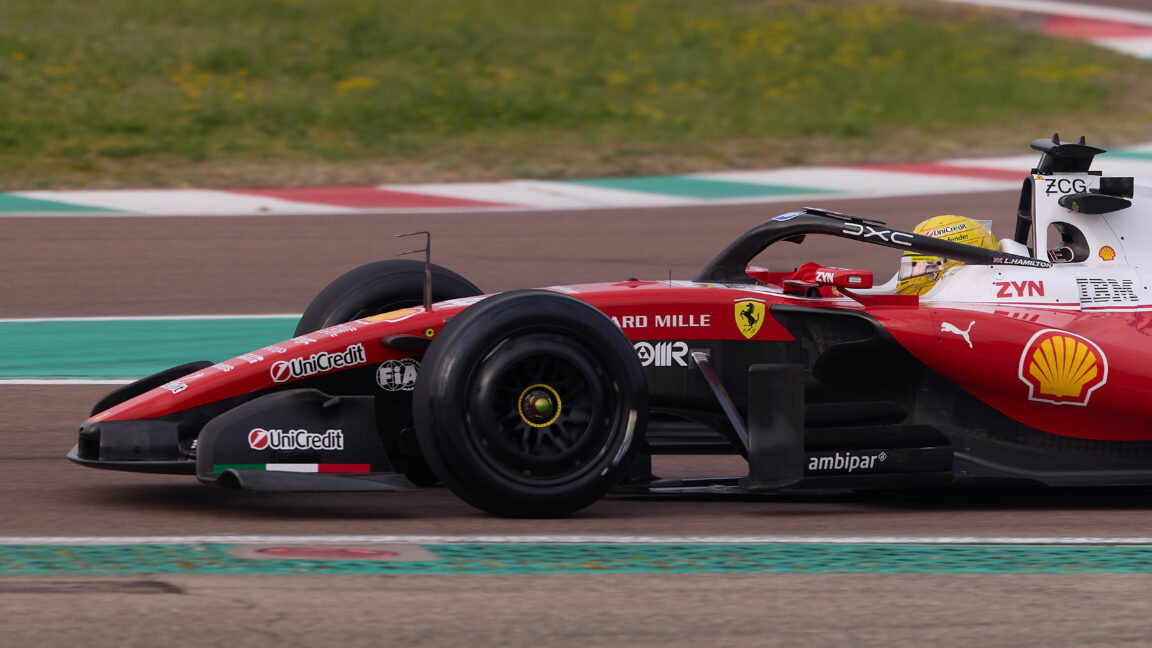
The greater harvesting limit also applies during the races, and there are new rules on how much power the electric motor (better known in the sport as an MGU-K, or motor-generator unit-kinetic) can send to the rear wheels.
In “key acceleration zones (from corner exit to braking point, including overtaking zones)” the MGU-K will be able to deploy its full 350 kW (469 hp) to complement the V6’s 400 kW (536 hp). Outside of those zones, the MGU-K is limited to just 250 kW (335 hp) around the lap, which means smaller speed differentials. And the boost—which drivers can engage if they’re within a second of a car in front—is capped at an extra 150 kW (201 hp) now.
Those changes should also mean F1 drivers spend a little less of their time worrying about energy management, although their hybrid powertrains remain governed by algorithms that have shown the potential to be unpredictable. Lap times will be slower than they otherwise might, but the powers that be hope these tweaks are enough to quell criticism that has been growing since preseason testing in February. They’ll also be hoping the changes don’t ruin the action we’ve seen during the last three races—lest people forget, the pre-hybrid era had loud and dynamic cars but precious little overtaking (and so, so many mechanical breakdowns).
There are also changes that will be tested at the start of the Miami race to ameliorate the problem of a car failing to get off the line (and therefore being dangerously slow) because of a problem on the formation lap. If the “low power start detection” system detects a car making too little power off the line, the system will make that car’s warning lights flash and also trigger full MGU-K deployment; in normal conditions, the MGU-K only joins the fun above 50 km/h (31 mph), so it isn’t used in the first phase of a race start.
The FIA will see whether that works before making the change permanent for the rest of the 2026 season. Additionally, there are some tweaks for racing in the rain, including hotter tire blankets for wet tires, a lower deployment limit for the MGU-K if it’s wet, and simpler visual cues from the cars’ rain lights.