dailynewsnblog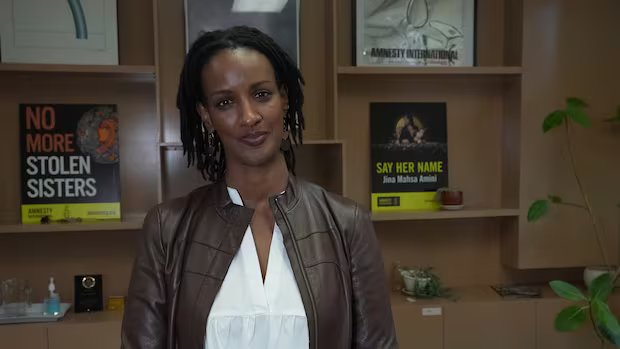

Listen to this article
Estimated 3 minutes
The audio version of this article is generated by AI-based technology. Mispronunciations can occur. We are working with our partners to continually review and improve the results.
Global human rights organization Amnesty International is concerned Canada is backsliding on Indigenous rights under Prime Minister Mark Carney’s Liberal government.
New laws passed last year fast-tracking major projects and expanding resource development have threatened Indigenous peoples’ right to self-determination, the organization says in its annual global human rights report released Monday evening.
“We are finding, particularly when it relates to Indigenous rights, that we are stepping back,” said Ketty Nivyabandi, secretary general of Amnesty International Canada’s English section, in an interview in Ottawa.
“We’re rolling back.”
The human rights monitor is lending support to Indigenous nations and civil society groups that opposed Carney’s Building Canada Act and similar laws in Ontario and B.C.
The report comes as First Nations continue to raise concerns. The Assembly of First Nations political advocacy organization said Monday that National Chief Cindy Woodhouse Nepinak will speak out about the situation in British Columbia at the United Nations this week.
“Neither Canada nor British Columbia can extinguish, amend or suspend First Nations’ human rights and remain a respected member of the international community,” Woodhouse Nepinak said in a Monday statement.
The B.C. government, the first jurisdiction in Canada to pass a law implementing the UN Declaration on the Rights of Indigenous Peoples, sparked controversy after proposing to suspend some of the law’s key provisions.
Last summer, the newly re-elected Liberals’ major projects law drew vehement criticism from First Nations, with some comparing it to the 2012 Idle No More protest movement that erupted in response to omnibus legislation from the Harper government.
In response, Carney called a series of summits to ease those concerns, telling Indigenous leaders their rights will be respected as the government implements the legislation. Tensions continued into December following signing of a Canada-Alberta memorandum of understanding on pipeline development.
Nivyabandi previously warned that Carney’s first 100 days in power signalled a regression and she said those concerns remain in place.
“The big story out of this is that it seems as though as much as Canada is trying, of course legitimately, to strengthen its economic power in light of the threats by the U.S., there seems to be a sort of blindness to who this is impacting,” she told CBC Indigenous.
“We need to be very careful that … Canada remains strong on human rights and is not ‘Canada strong’ at the expense of those who are most marginalized.”
CBC Indigenous has contacted the federal government for a response.
Amnesty’s global report does positively mention Carney’s call for middle powers of the world to act together during a speech in Switzerland in January 2026.
Nivyabandi, however, is warning the Liberals, now with a majority in the House of Commons, not to let respect for human rights take a back seat as they boost defence spending and pursue economic expansion while cutting budgets elsewhere.