dailynewsnblog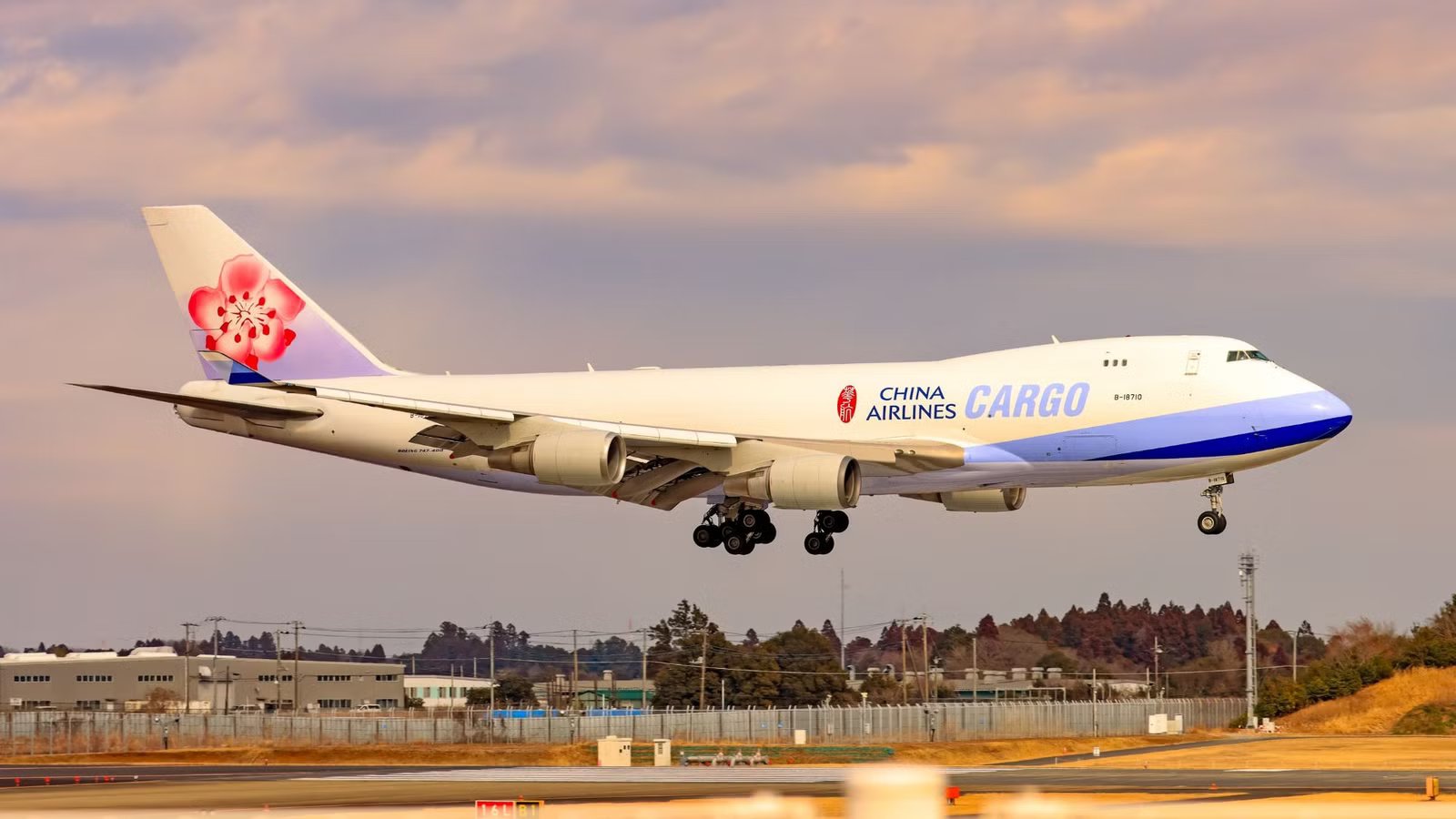
A Boeing 747 cargo aircraft operated by China Airlines was forced to divert after a smoke indication warning triggered mid-flight on April 18, as reported by Yukon News. The aircraft landed safely in Erik Nielsen Whitehorse International Airport (YXY), where emergency services were on standby. The diversion was carried out as a precautionary measure to ensure the safety of the crew and aircraft. No injuries were reported following the unexpected landing.
The incident highlights the strict safety protocols followed in aviation when potential onboard hazards arise, even when the situation may not escalate into a confirmed emergency. Cargo flights, like passenger services, are subject to rigorous operational procedures when warnings such as smoke indications occur. While diversions can be costly and disruptive, they are considered essential when dealing with possible fire risks. Investigations are now expected to determine the exact cause of the alert.
Smoke Alert Prompts Mid-Flight Diversion To Yukon

The Boeing 747 freighter, operated by China Airlines, was en route from Chicago O’Hare International Airport (ORD) to Taipei Taoyuan International Airport (TPE) when the crew received a cargo compartment smoke indication, prompting immediate action. Following standard operating procedures, the pilots declared an emergency and diverted to Whitehorse International Airport. Emergency crews were deployed ahead of the aircraft’s arrival to prepare for a potential onboard fire scenario. The aircraft landed safely and was met by responders, who conducted precautionary inspections on arrival.
Despite no immediate evidence of fire, such warnings are treated with the utmost seriousness due to the potentially catastrophic consequences of onboard cargo fires. The aircraft remained on the ground in Whitehorse following the incident. Operational impact was limited to cargo logistics, as no passengers were onboard. In a social media post, a spokesperson for the airport said:
“Whitehorse Airport update: Saturday, April 18, 7:10 am
A China Airlines Cargo aircraft diverted to YXY earlier this morning due to a smoke indication onboard. The aircraft landed safely and all crew are safe, with no injuries or fire reported.
Emergency crews are on scene and departures are continuing with minimal delays. No further updates are expected at this time.”
Crew Response And Precautionary Landing In Whitehorse

Smoke indications in aircraft can originate from a variety of sources, including electrical faults, overheating components, or sensor malfunctions. While not all warnings indicate an actual fire, aviation protocols mandate immediate response due to the high risk associated with in-flight fires. Aircraft like the Boeing 747 are equipped with advanced fire detection and suppression systems, particularly in cargo compartments. These systems are designed to provide early warnings and allow crews to act quickly.
China Airlines operates a fleet of dedicated cargo aircraft that play a key role in global freight logistics. Diversions to remote airports such as Whitehorse are not uncommon for transpacific routes, as the location provides a strategic alternate for aircraft crossing northern regions. Such incidents demonstrate the importance of having well-equipped diversion airports in sparsely populated areas. The rapid emergency response further underscores the preparedness of aviation infrastructure even in remote locations.
In recent years, aviation authorities have continued to emphasize improved fire detection technologies and stricter cargo screening measures. Lithium-ion batteries and hazardous materials, for example, are known contributors to in-flight fire risks. As global cargo demand grows, ensuring the safe transport of goods remains a critical focus for airlines and regulators alike.

***Insert related story (use “Insert article” button)***
Two onboard incidents in as many days as calls for an outright ban grow.
Cargo Fire Risks And Aviation Safety Protocols Explained

Diversions involving smoke warnings are relatively rare but not unheard of in long-haul cargo operations. Aircraft crews undergo extensive simulator training to handle such scenarios, including decision-making under pressure and coordination with air traffic control. The safe outcome in this case reflects the effectiveness of those procedures. It also highlights the layered safety systems built into modern aviation.
The Boeing 747, despite being an older design, remains a cornerstone of global cargo transport due to its capacity and reliability. Many airlines continue to operate freighter variants even as passenger versions are phased out. Incidents like this reinforce why the aircraft remains highly respected for its robustness and safety features. Ongoing maintenance and upgrades ensure these aircraft continue to meet modern safety standards.
Further updates are expected once maintenance crews complete a full inspection and determine the root cause of the smoke indication. Authorities may release additional findings if the incident reveals broader safety implications. For now, the event serves as a reminder of aviation’s cautious approach to risk management.