dailynewsnblog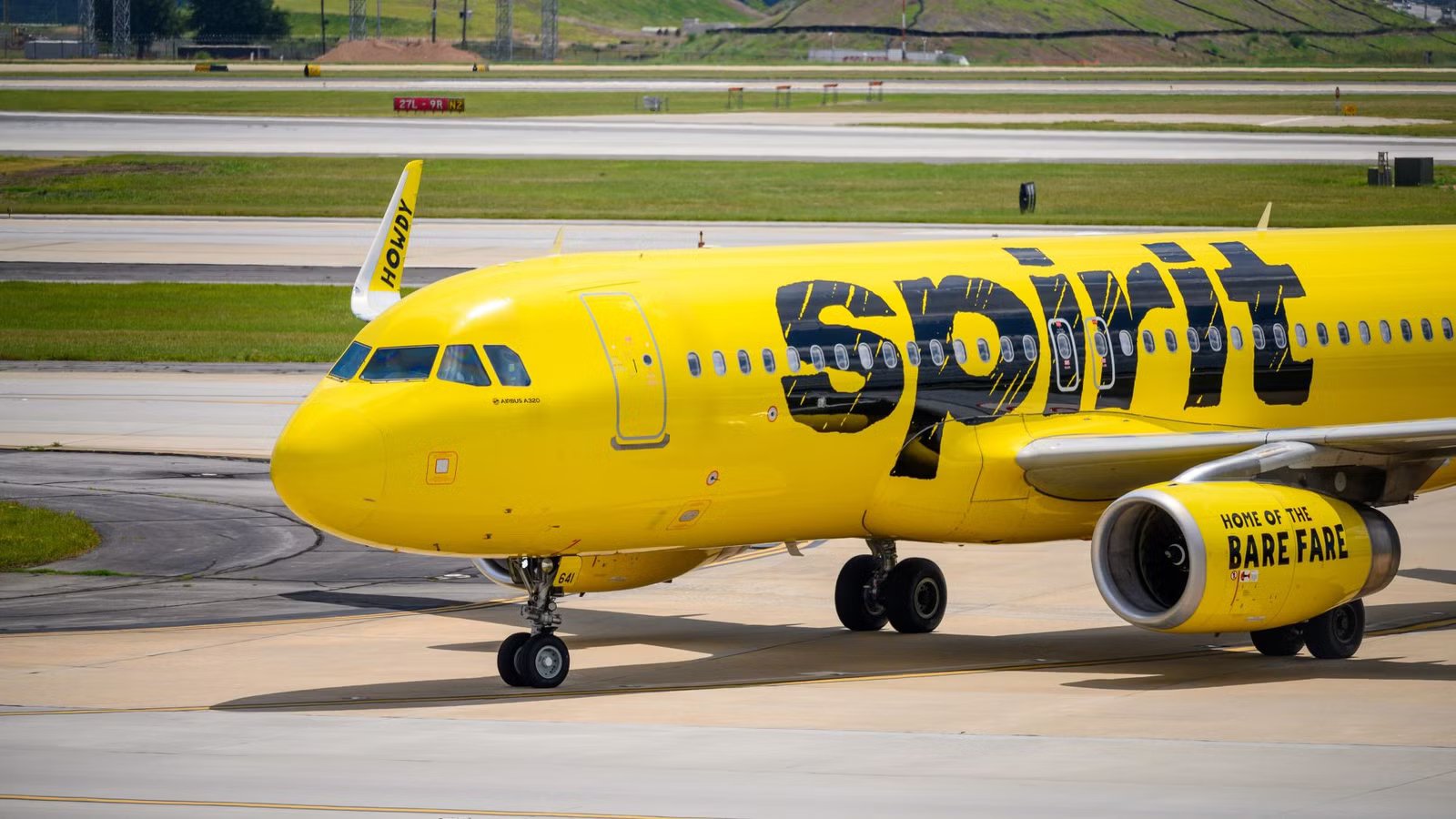
US-based ultra-low-cost carrier Spirit Airlines has moved beyond just looking at a restructuring and towards outright survival challenges. According to CBS News, the budget airline has approached the Trump administration for an emergency bailout as it seeks to avoid liquidation amid soaring fuel prices and mounting creditor pressure. These are major challenges for a company that already has an incredibly weak balance sheet.
The key issue here is that the airline is not just facing yet another weak quarter. The bigger question is whether Spirit can remain operational long enough to make a planned bankruptcy exit viable. We aim to discuss why a carrier built on ultra-low fares is extremely vulnerable to a fuel shock, what a government rescue could ultimately mean, and why liquidation risk has suddenly become a serious near-term possibility for the airline.
A New Emergency Liquidation Could Be A Real Possibility

The latest development in the seemingly endless saga is that Spirit Airlines has reportedly approached the Trump administration for an emergency bailout as its restructuring deteriorates into a potential near-term survival crisis. Reports indicate that the airline is seeking a government financial lifeline to avoid a complete liquidation, with some creditors now questioning whether Spirit can even make an upcoming multimillion-dollar debt payment.
Other analysts have pushed these rumors even further, commenting that the carrier is seeking hundreds of millions of dollars in aid as surging fuel prices hammer its finances. Spirit has been aiming to exit bankruptcy by this summer, but that plan is currently under extreme pressure as higher fuel costs threaten liquidity and complicate creditor negotiations. Spirit executives and other representatives of low-cost carriers are also expected to meet with Secretary of Transportation Sean Duffy next week.
What Does All Of This Mean For Spirit Airlines?

For Spirit Airlines, this move means that the company’s extensive problems have escalated from a difficult restructuring into a genuine fight for survival and for the ability to continue operating. The airline had been attempting to exit bankruptcy through a turnaround plan built around major cost cuts, a smaller fleet, and a return to higher-margin flying, but the recent surge in jet fuel prices has badly undermined those original assumptions.
Spirit Airlines was already in trouble, and the massive increase in fuel prices is not helpful for the carrier whatsoever. The airline’s latest financial reports indicated it was anticipating fuel prices of around $2.24 per gallon ($0.59 per liter). Today, the average fuel price for the carrier is around $4.24 per gallon ($1.12 per liter), a swing that analysts have reported would add around $360 million in costs and push operating margins significantly deeper into the red.
In practical terms, this gives creditors more reasons to doubt the airline’s viability and makes an upcoming debt payment more precarious. This also raises the risk that Spirit could be forced into liquidation or a fire-sale outcome rather than an orderly recovery. It also means that there will be more uncertainty for employees, suppliers, and passengers, especially if operations are abruptly curtailed.

Why Spirit Airlines Is Shrinking & Ditching The ‘Cheap’ Playbook
The carrier has a plan to exit bankruptcy.
What Would A Spirit Liquidation Look Like?

A Spirit liquidation would probably not mean that every single one of the airline’s flights would be canceled overnight. More likely, it would begin as a court-supervised wind-down in which Spirit continues to fly selectively while selling assets, shrinking the network, and preserving cash for its creditors.
Gates, takeoff, and landing rights, spare parts, and perhaps parts of the loyalty program or brand could be sold off first. The airline has already looked to monetize assets, including its gates at Chicago O’Hare International Airport (ORD). From there, the airline would likely immediately cut unprofitable routes, return or park more aircraft, reduce staffing, and narrow operations to only the flights that generate near-term cash.
If no rescue financing or workable bankruptcy exit emerges, the endgame could be a deeper breakup rather than a clean reorganization, with competitors picking up pieces of the network and customers facing cancellations, reduced schedule depth, and uncertainty around future bookings. The risk has become materially more serious because fuel costs now exceed Spirit’s original restructuring assumptions by a wide margin.