dailynewsnblog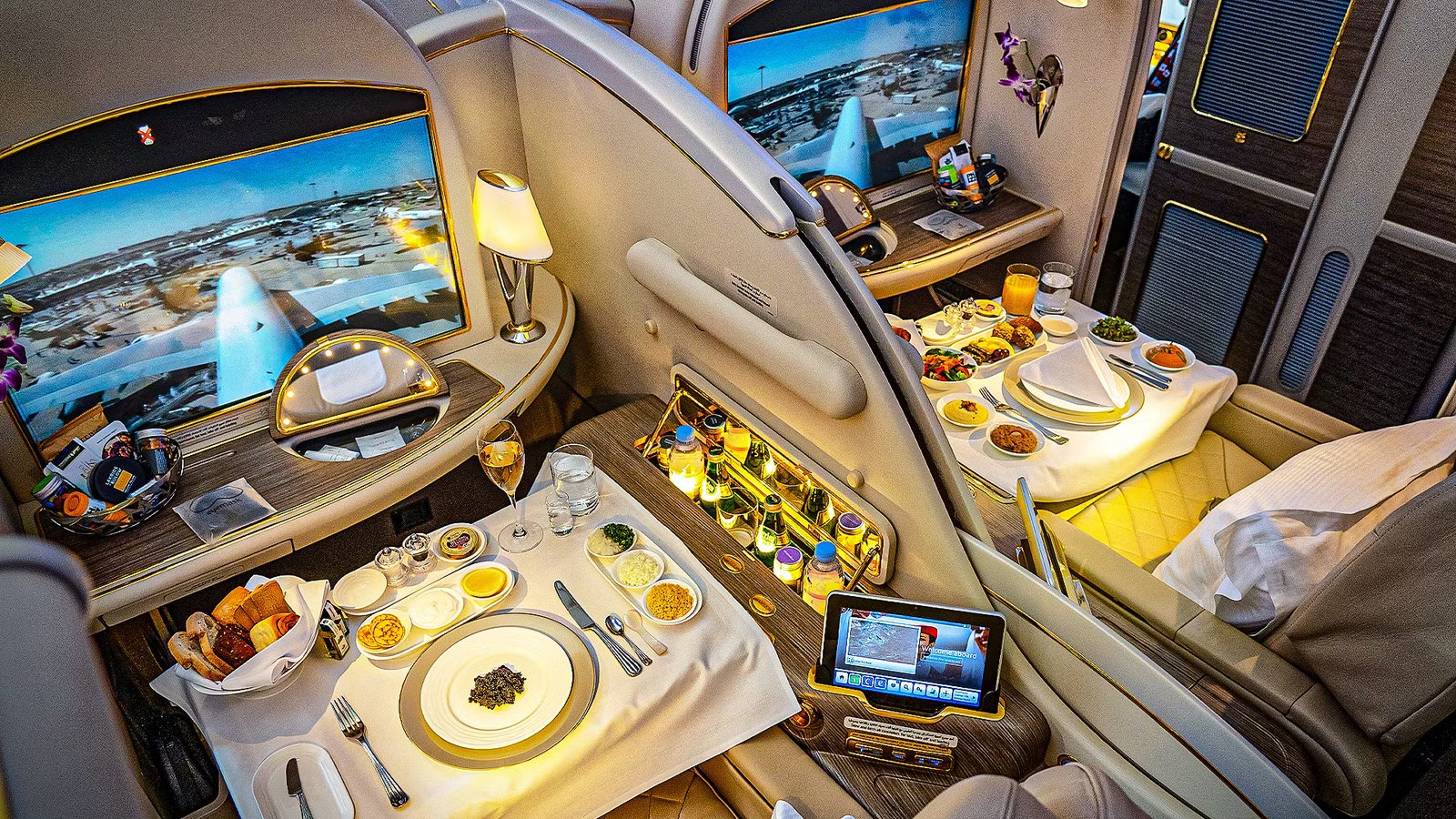
Business class is no longer just a niche reserved for corporate road warriors whose employers are paying their salaries. Across the industry, airlines are leaning much harder into premium cabins because that is ultimately where margins, loyalty, and brand differentiation increasingly sit.  Delta Air Lines has pointed to broad demand strength across both corporate and leisure travel, United has expanded premium capacity to a record level, and American Airlines is planning premium seat growth at roughly twice the rate of main-cabin growth. In other words, more people are flying up front, and many of them are doing it for the very first time.
That is ultimately a shift that creates an interesting operational story. Cabin crew are often the first people to notice the difference between a seasoned business-class passenger and a first-time flyer. The slight hesitation at boarding, uncertainty over bin space etiquette, overexcitement about pre-departure drinks, confusion around seat controls, pajamas, dine-on-demand service, or simply how much of anything to ask for. None of that is negative commentary, but it does give us a somewhat clear view of the market’s state. In fact, it reflects a broader shift in the market. Premium travel is being democratized by points, upgrades, premium leisure demand, and airline strategies designed to fill more high-yield seats. We aim to explore that tension from the cabin crew perspective, showing how frontline staff quietly manage expectations, preserve service flow, and help first-time premium passengers settle into a product that airlines now depend on more than ever before.
How Did Premium-Cabin Growth Take Control Of The Industry?

Premium cabins are no longer just a profitable side business for certain airlines. Rather, they are increasingly the logic behind fleet design, cabin retrofits, route planning, and overall revenue strategy. International regulators have said that premium traffic historically accounted for about 20% of overall passenger revenue while representing only around 7% of passenger kilometers, which explains why airlines keep reallocating scarce space onboard toward higher-yield seats.
One can see that shift clearly in current airline strategies. Delta said its diversified, high-margin revenue base represented 62% of total revenue in the March 2026 quarter, with premium revenue up 14% year-over-year, even as main-cabin capacity was down 3% and premium seat mixes have only continued to grow. The most important thing to keep in mind about these cabins is that they are key to achieving massive margins, and they offer exceptional value for airlines that choose to invest in them.
United has said it flew a record 27.4 million premium seats in 2025, which is around 12% of all seats flown. The airline’s long-term narrowbody plan still points to a 75% increase in North American premium seat counts on a per short-haul departure basis versus 2019. American, meanwhile, expects lie-flat and premium economy seating to grow 50% by the end of the decade. The carrier has also indicated that early 2026 bookings were up double digits, led primarily by premium cabins and corporate channels. Put simply, airlines now treat premium not as an add-on but rather as the center of the commercial model.
How Has The Number Of People Flying Premium Cabins Increased?

Shutterstock
The market is also getting bigger in absolute traveler terms, not just in terms of overall revenue mix. The International Air Transport Association (IATA), in its latest World Air Transport Statistics, has indicated that international premium-class travel, which is defined as both business and first class travel, rose by around 12% in 2024 to around 116 million travelers. This is equivalent to around 6% of all international travelers.
That matters because in 2019, premium-class passengers accounted for 5% of international origin-destination traffic, so the premium share of the market has inched higher as global travel continues to normalize. Growth has also continued beyond the rebound year. Analysis from IATA indicates that premium-cabin traffic has also continued to rise by 4.9% year-over-year worldwide. From a regional perspective, the trend is uneven but still broad-based across the board. Premium demand rose around 9% for Middle Eastern carriers and around 10.5% for those from Latin America and the Caribbean.
North American carriers saw premium traffic outperform economy on almost all international routes. In other words, more people are not only willing to pay for the front of the plane, but they are also making it a regular part of the market again. That is ultimately the key backdrop for our analysis on business-class flyers who have never flown the cabin before. These kinds of customers are no longer rare exceptions, but rather a part of a growing, structurally larger premium-travel crowd.

The Airlines With The World’s Newest Premium Economy Seats In 2026
A few new airlines will have premium economy offerings in 2026, while most are continuing to roll out expanded and/or refreshed seats.
Airlines Are Also Offering Business Class For The First Time

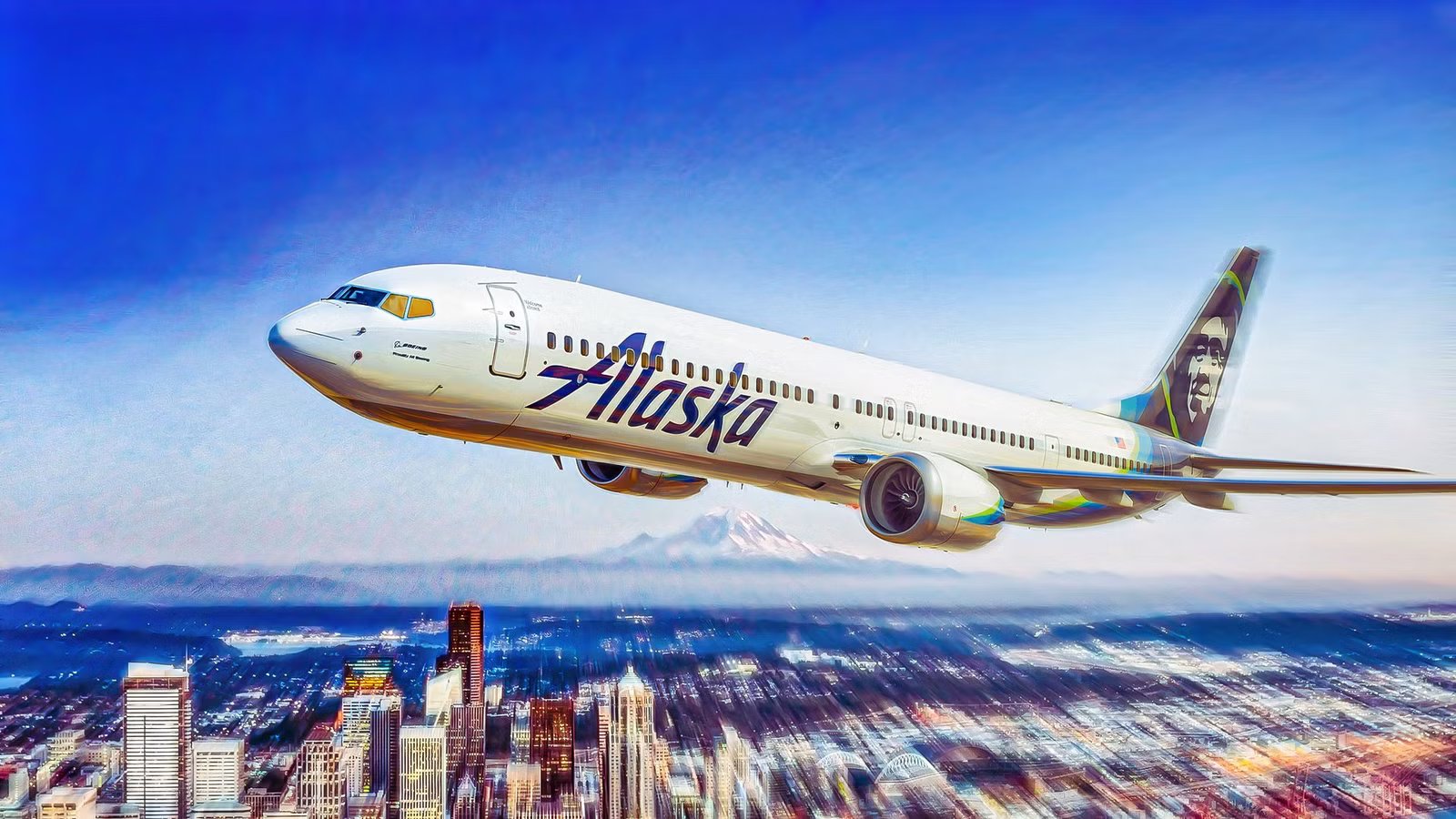
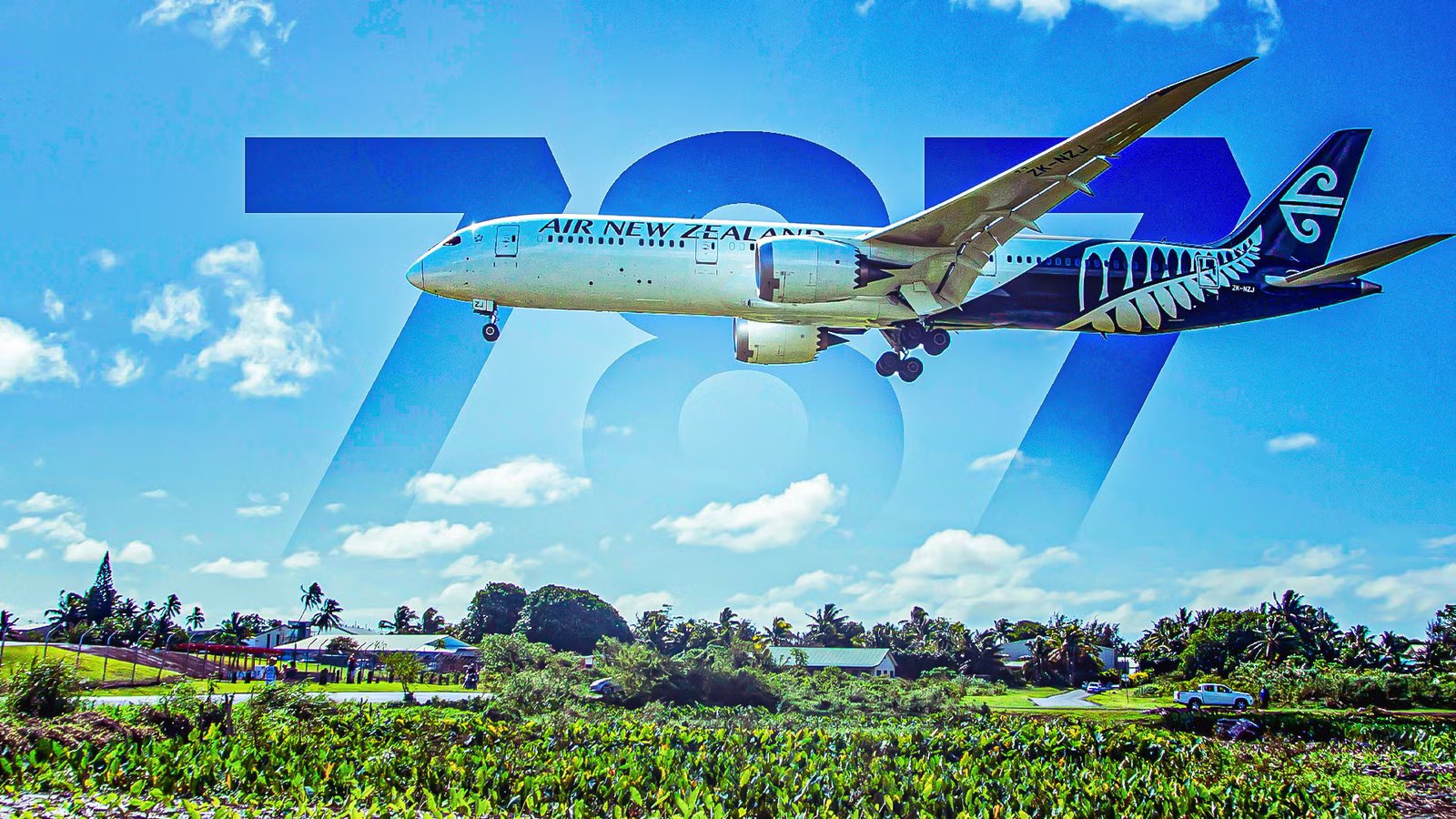
One of the clearest signs of where the industry is heading is the fact that airlines that once survived without a true long-haul premium proposition are now choosing to add one. This is leading to a significant increase in new premium passengers.  Alaska Airlines is the obvious standout in the US market. In March 2026, the carrier unveiled its first-ever international business-class suites for Boeing 787-9 flights, with lie-flat seats, privacy doors, and direct aisle access. All of this explicitly ties the product to its expansion efforts into Europe and Asia from Seattle.
This ultimately matters because Alaska already had domestic First Class and extra-legroom Premium Class seats available, but this is its first real attempt to compete in the global high-yield cabin market. Hawaiian Airlines, now under the same group umbrella, is going to be following a similar path. Its Airbus A330 retrofit program will introduce a true premium economy cabin, along with new first class suites starting in 2028.
Outside the US, other carriers are also offering premium products for the first time. IndiGo is the telling example here. The giant Indian low-cost carrier launched IndiGoStretch in late 2024, marking its first proper business class-style cabin after years of using an all-economy model. Taken together, these moves show that premium cabins are no longer just for legacy network airlines. Rather, they are becoming an essential commercial tool, because airlines increasingly believe that even first-time premium passengers are now a growth market worth designing cabins around.
How Does All Of This Affect The Cabin Crew?

As for the cabin crew, this premium demand boom means more than just serving better meals or pouring more champagne. Rather, it changes the entire rhythm of their job. As airlines add more premium seats and more complex products, crew are expected to deliver a more personalized, higher-touch service to a larger group of passengers, many of whom are fully unfamiliar with premium-cabin norms. United said it flew a record 27.4 million premium seats in 2025, all while Alaska is rolling out its first true international business-class suite product as it expands long-haul flying.
At the end of the day, this means more explanation, more reassurance, and more soft operational management in the aisle. A first-time business-class passenger may not know when to board, where to stow items, how dine-on-demand works, whether pajamas are complimentary, or what level of interaction is expected. Cabin crew notice that instantly, and they often have to guide those passengers without making them feel out of place.
At the same time, premium travelers are also paying for speed, privacy, and attentiveness, so expectations are higher and service mistakes become much more visible. The result is that cabin crew increasingly act as hosts, problem-solvers, product tutors, and brand ambassadors all at once. In a market where premium demand is driving airline strategy, frontline crews are the people who make that strategy feel real.

Delta One “Basic”: It’s the Same Seat With Fewer Perks
As more and more airlines move unbundling further up the cabin, the carrier adds to this growing list.
How Do Cabin Crew Recognize First-Time Business-Class Travelers?

Members of the cabin crew will usually recognize first-time business-class travelers through small behaviors rather than anything obvious or embarrassing in nature. The biggest tell is going to be hesitation. Experienced premium passengers tend to board with quiet familiarity, and they know how to settle in. They also know where to place their bags, how much space is theirs, and what sequence of service to expect. First-time flyers are more likely to be confused.
They are also more likely to be unfamiliar with premium cabin overhead-bin etiquette. Crews will also notice excitement levels. A first-time passenger may photograph the cabin, study every seat control, ask detailed questions about the menu, amenity kit, or champagne, and they will often show visible surprise at features that regular premium travelers will take for granted. There can also be uncertainty around softer etiquette, whether they should change into pajamas immediately, when they can recline, and whether snacks are included or how often it is acceptable to ask for something.
None of this is inherently a problem. In fact, it often works out mathematically for airlines, as the passenger is clearly delighted to be there and considers their money better spent. Good cabin crews will recognize that quickly and usually respond by becoming more proactive, more reassuring, and slightly more explanatory, helping the traveler feel comfortable without ever making them feel inexperienced.
What Is Our Bottom Line?

At the end of the day, the increase in overall demand for premium travel has fundamentally shifted the way that the legacy airline industry operates. Carriers of all kinds have begun to refocus on serving the customers who make them the most money, and in this market, those are high-yielding leisure travelers.
However, these customers are surprisingly price-sensitive. Not when it comes to ticket price, but when it comes to the overall value they believe they are getting for the experience they are paying for. As a result, airlines have had to invest heavily in more carefully curated premium cabins.
All of this somewhat changes the role of cabin crew in the premium cabin. They are now part of that “wow” factor that gets customers to pay extra to fly in the front of the aircraft. As a result, customers who have not flown business class before could need special attention from the cabin crew.