dailynewsnblog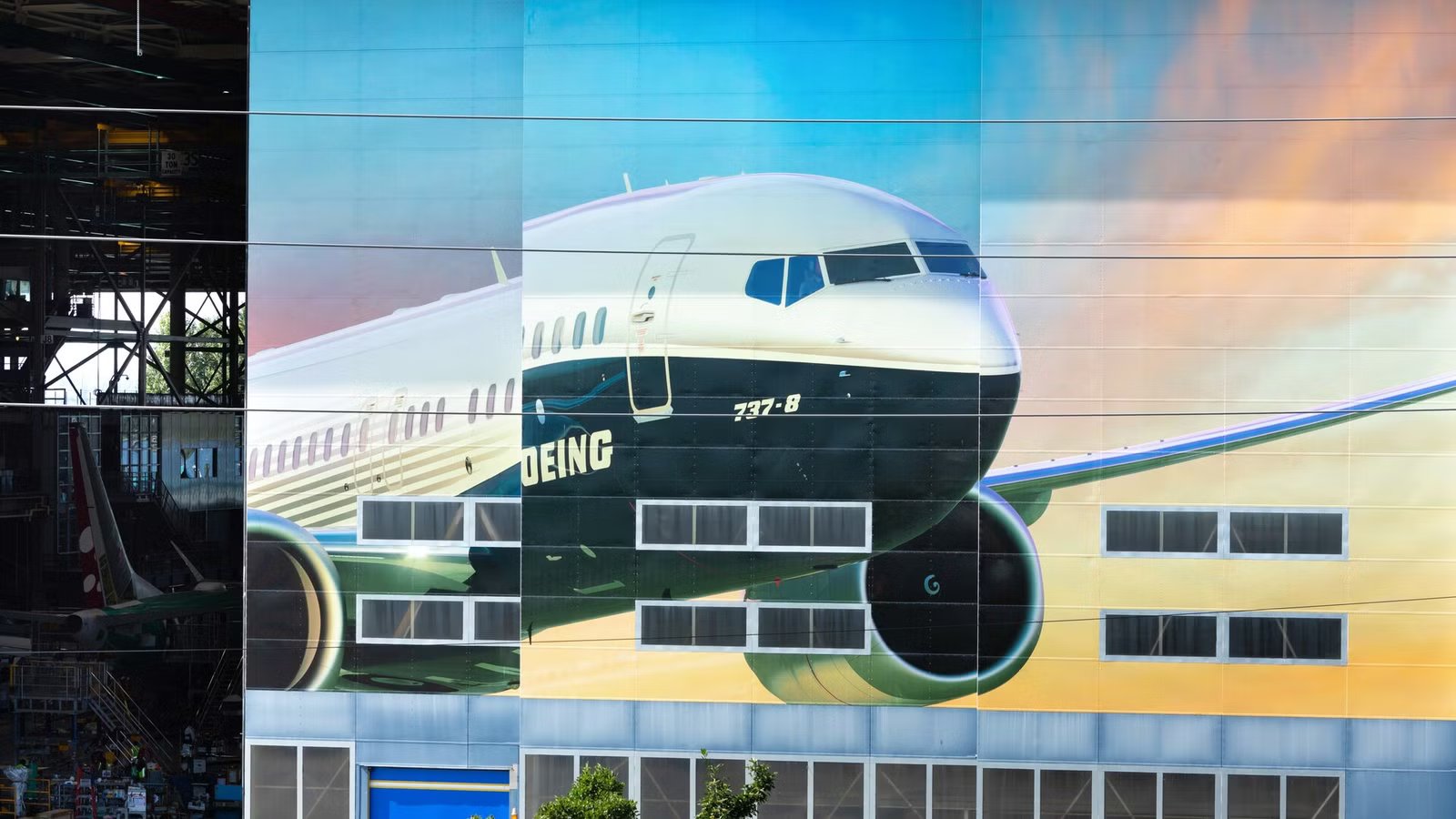
 Boeing has achieved something it hasn’t managed since the MAX crisis began in 2018: a quarterly delivery win over Airbus. According to its orders and deliveries data released today, the US planemaker handed over 143 commercial aircraft in Q1 2026, compared to just 114 for Airbus, giving Boeing a 29-aircraft advantage. For Boeing, this represents 10% year-over-year growth, while Airbus deliveries have declined by 16% over the same period.
This builds on a string of positive headlines for Boeing, after it racked up more orders than its European rival in 2025. That said, the result needs context. This was not Boeing suddenly blowing Airbus away across the board. Boeing’s quarter was helped by a very strong 737 performance, while Airbus was severely hampered by supply-chain problems, notably with Pratt & Whitney (P&W) engines. So yes, Boeing won the quarter. But the more interesting story is how strengthening 737 deliveries met an unusually weak quarter for Airbus.
737 Strength Did The Heavy Lifting

The first quarter of the year stands out because Boeing’s edge was powered overwhelmingly by the Boeing 737 MAX program. Of Boeing’s 143 commercial deliveries in Q1, 114 were 737s, meaning the narrowbody family accounted for nearly 80% of the total. By comparison, Airbus delivered 25 fewer A320-family narrowbodies in Q1 2026 compared to a year prior. In summary, it was Boeing’s best Q1 for narrowbody deliveries since 2018; for Airbus, it was its worst in more than 20 years.
That 737 total also shows how much Boeing’s core delivery engine has recovered since the MAX crisis, followed by the  Alaska Airlines door plug incident in 2024 and the FAA-imposed production restrictions that followed. Reuters reported last month that Boeing’s February output had already reached its highest February delivery total since 2018, and the overal Q1 mix shows the 737 remained the program doing most of the heavy lifting even as 787 deliveries came in a little lighter than expected.
|
Boeing Q1 2026 Deliveries By Model |
|
|---|---|
|
Model |
Deliveries |
|
Boeing 737 MAX 8/9 |
114 |
|
Boeing 767F |
6 |
|
Boeing 777F |
8 |
|
Boeing 787-9/10 |
15 |
|
Total |
143 |
There is an extra wrinkle here: Boeing did this despite a late-quarter drag. The manufacturer had to repair damaged wiring on roughly 25 undelivered 737 MAXs, with CFO Jay Malave saying around ten deliveries would slide into Q2. In other words, Boeing’s quarter was strong enough to beat Airbus even with some significant March disruption to its most important program.
Airbus’ Weak Quarter Is A Big Part Of The Story

Boeing can certainly celebrate the Q1 win, but its lead on deliveries is likely to be temporary while Airbus works through its issues with Pratt & Whitney. Airbus has spent months publicly warning that engines for the A320neo family were arriving “very, very late,” and by February, it had softened its narrowbody production ramp while accusing P&W of falling short on agreed supply volumes.
Reuters reported that the dispute centers on scarce geared turbofan (GTF) engine supplies, and whether those engines should go to new-aircraft assembly lines or to airlines already waiting for spare engines and repair support. P&W is still dealing with the after-effects of its GTF crisis, and with repair capacity still under pressure and airlines desperate for serviceable engines, Airbus has effectively been competing with operators for the same constrained pool of supply.
Airbus’ frustration has subsequently boiled over in its own public commentary. At the presentation of its FY2025 results, Airbus CEO Guillaume Faury said “significant Pratt & Whitney engine shortages” were continuing to stall deliveries of A320neo and A321neo aircraft. With P&W engines powering some 40% of the global A320-family fleet, he explained that this was influencing the setting of Airbus’ 2026 delivery goals.
“Pratt & Whitney’s failure to commit to the number of engines ordered by Airbus is negatively impacting this year’s guidance for aircraft deliveries.”
The practical result is now visible in the delivery data: 25 fewer A320-family aircraft shipped to customers this past quarter, a shortfall that equates to more than $3 billion in missed revenue at list prices. By contrast, Boeing has had no such delivery issues with the CFM engines under the wings of its 737 aircraft, so has seen its deliveries surge. And to one large airline customer in particular…

Airbus Delivered 60 New Planes In March, But Overall Q1 Output Lags 16% From Last Year
Pratt & Whitney engine delays are now the clearest drag on Airbus’ 2026 delivery performance.
United Supercharges Boeing Deliveries

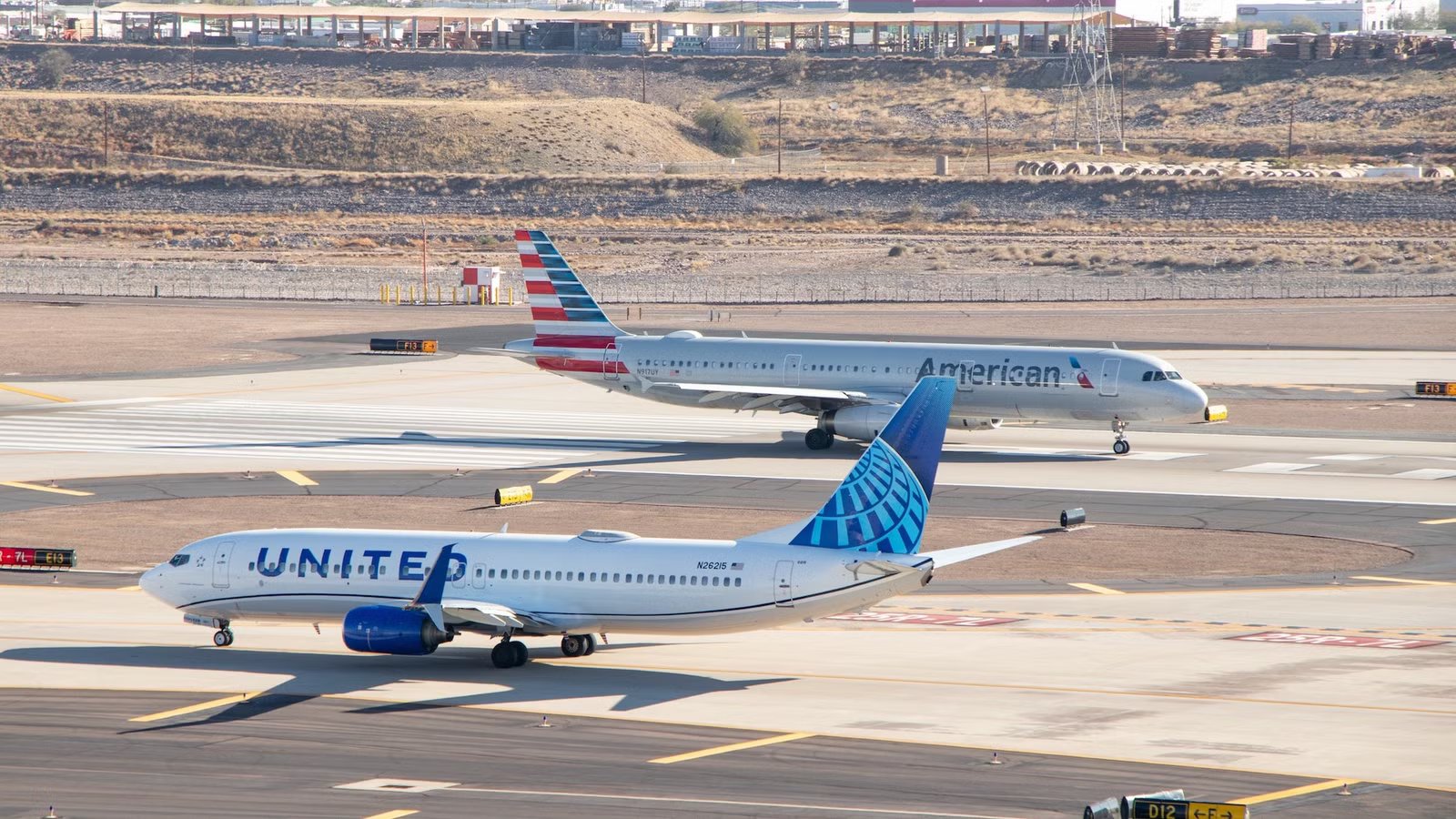
The standout customer for Boeing so far this year has been  United Airlines, which took 29 aircraft in the first quarter. This was made up of four Boeing 787-9s, and a staggering 25 Boeing 737 MAX 9s, effectively a rate of two 737s a week, on average. United now has 600 active 737s in its fleet, putting it just behind Ryanair as the third-largest operator of the type.
Beyond United, there were several notable handovers that gave the quarter extra texture:
-
 Air India
received its first new Boeing 787-9, delivered in January, with the airline calling it the first production widebody from its big 2023 order, and the first designed specifically for the carrier since privatization. -
KLM
completed its Dreamliner fleet in January with the arrival of “Krokus,” its 28th and last Boeing 787 (for now). -
 Lufthansa
took delivery of four 787-9s during the quarter, which fed directly into the carrier’s Allegris rollout. The German flag carrier said last month that 25 Allegris Business Class seats on the 787-9 had received certification.
The next test is whether Boeing can build on this momentum. The manufacturer plans to open a fourth 737 production line in Everett by mid-summer, supporting a longer-term push towards a production rate of 63 737 MAXs per month. At the same time, Boeing plans to lift 787 production from eight to ten per month by the end of the year.
This all matters because Boeing has had the sales advantage over Airbus in recent times, and is now starting to show that it can once again match — and even beat — its arch rival with deliveries. Sustaining that momentum will depend on turning one strong quarter into a stable production-rate story.