dailynewsnblog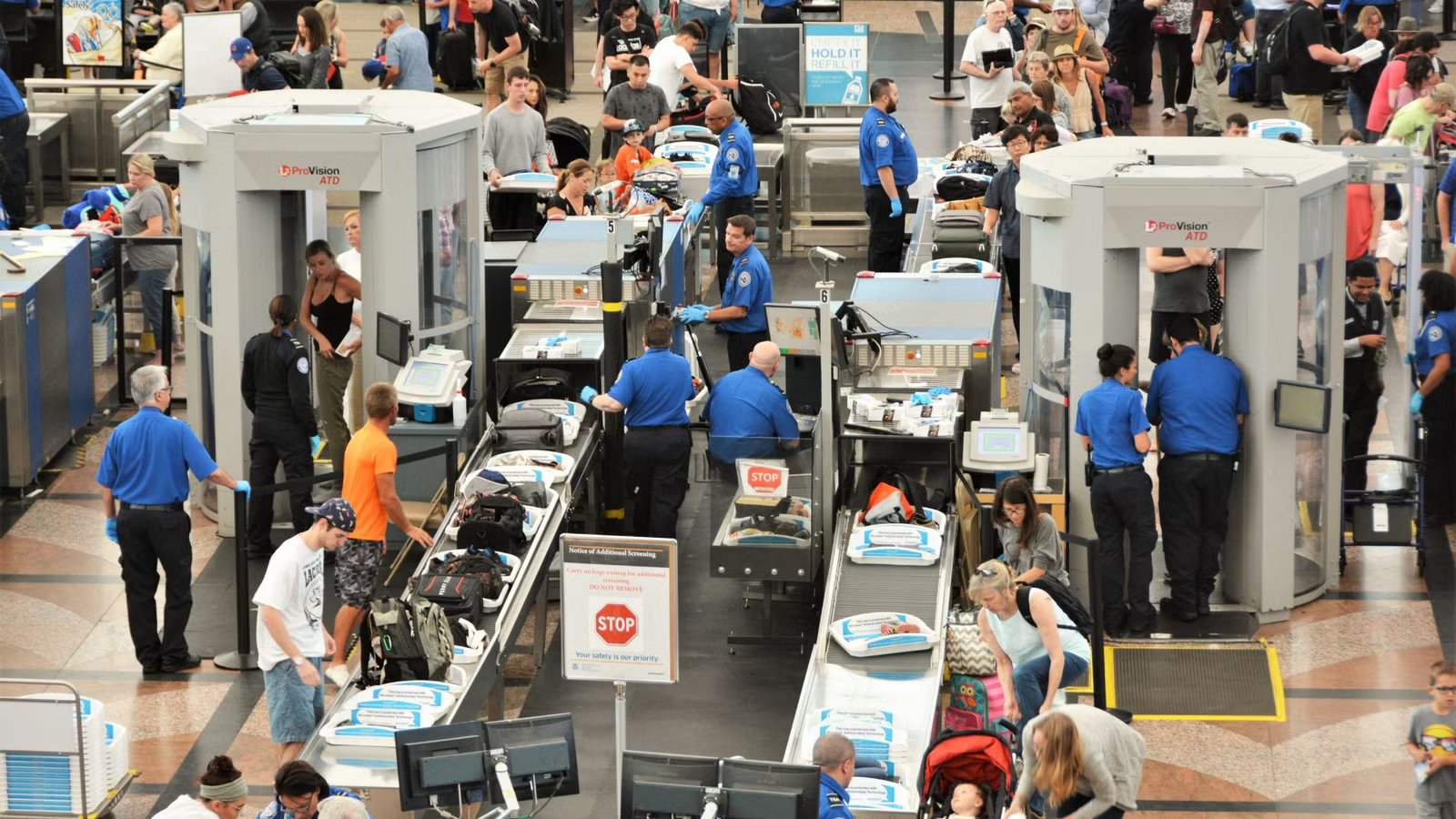
Pressure is mounting on the Transportation Security Administration (TSA) to reverse its 2025 shoes-on checkpoint policy after Senator Tammy Duckworth (D-IL) publicly demanded the safeguard be restored. The controversy centers on classified Department of Homeland Security (DHS) Inspector General findings reported by The Wall Street Journal and then built on by certain other outlets, that the TSA’s advanced imaging scanners cannot effectively screen shoes.
This potentially leaves a gap that bad actors (including terrorist organizations) could try to exploit. Duckworth argues that the problem was serious enough to trigger an urgent watchdog warning and that the TSA failed to implement corrective action within the required timeframe. What began as a traveler-friendly effort to speed up lines has now become a broader test of whether convenience was allowed to outrun aviation security discipline.
A Look At Key Developments In This Story

The key developments in this story are straightforward and politically potent. On April 3, 2026, Duckworth sent a letter to Acting TSA Administrator Nguyen McNeill demanding that his agency immediately rescind the shoes-on policy that was initially introduced on July 8, 2025, under then-DHS Secretary Kristi Noem (who has since been removed from her position). This was a notable demand from a senior legislator.
Her argument relies heavily on a classified DHS Inspector General audit that used covert testing and found that TSA scanners were not capable of effectively screening shoes, with the watchdog reportedly warning that the policy had created a new kind of vulnerability. Duckworth also says that the TSA missed the legally required 90-day deadline to describe corrective action, escalating the issue from a policy dispute into a possible oversight failure. That turns this from an airport convenience story into a government-accountability narrative. In a statement, Duckworth had the following words to share:
“Secretary Noem’s decision to implement a shoes on policy on July 8, 2025, likely without meaningful consultation with TSA, was a reckless act. The DHS Inspector General conducted covert testing that reportedly found certain TSA Advanced Imaging Technology full body scanners ‘can’t scan shoes’—leading DHS OIG to determine, ‘Noem’s policy move had inadvertently created a new security vulnerability in the system.”
Why Is This A Legitimate Concern?

This is a legitimate concern because the entire logic of allowing passengers to keep their shoes on depends on technology being able to compensate for the removed safeguard. If the scanners in use cannot reliably detect threatening items concealed in footwear, then the system is at risk.
This would mean that the system is effectively accepting a known blind spot at one of the most basic layers of overall aviation security. That matters even more because shoes were once singled out after a shoe-bombing plot. Duckworth says that the watchdog treated this issue as urgent enough to send a rare “Seven-Day Letter.”
In other words, critics are not objecting to modernization itself, but they are rather objecting to modernization that appears not to have been fully validated in real-world covert testing before becoming nationwide policy. Therefore, this is undoubtedly a legitimate concern.

“More Dangerous”: FAA & DOT Reportedly Introduce New ATC Separation Mandate Without Guidance
There is some discussion about this new rule.
What Does This Mean Amid TSA Staffing And Pay Challenges?

There is no doubt that the TSA has a lot on its hands at this moment in time. In the broader TSA context, this dispute lands at a particularly bad moment. The agency has just come through a severe staffing and pay shock tied to the recent DHS funding standoff. Analysts have reported that the organization’s 50,000 officers went six weeks without a salary.
Absences have risen as high as 12.4%, more than 500 officers quit, and some airports saw waits stretch past four hours. That backdrop matters because security systems become harder to operate consistently when morale, staffing depth, and workforce stability remain under strain.
It also sharpens the political optics. Even after years of pay reform that had helped push attrition down from over 15% in 2022 to about 9% in 2024, the TSA is again facing questions about resilience, retention, and whether frontline screening is being asked to absorb too much institutional turbulence.