dailynewsnblog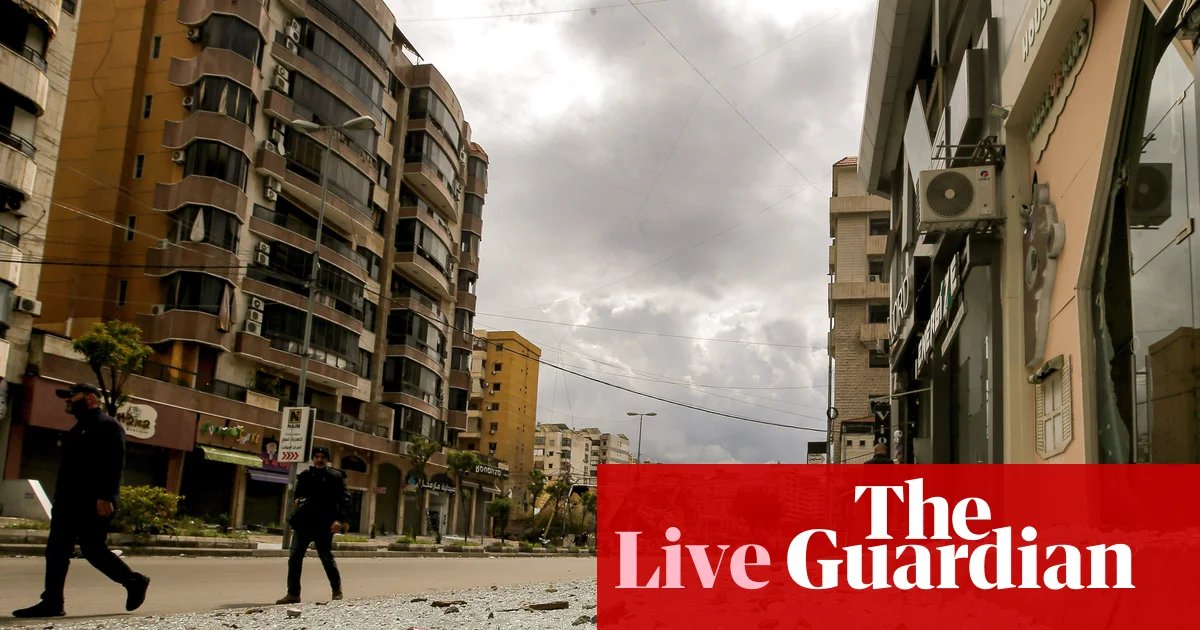
China sees ‘glimmer of hope’ for peace
China’s foreign minister has said that a “glimmer of hope” for peace has emerged due to moves to stop the war in the Middle East, despite Tehran vowing to keep fighting.
Wang Yi urged dialogue in separate calls with his Turkish and Egyptian counterparts, suggesting that both Tehran and Washington had shown signals they were willing to return to the negotiating table.
“With both the United States and Iran signalling a willingness to negotiate, a glimmer of hope for peace has emerged,” Wang told Egyptian foreign minister Badr Abdelatty, according to a Beijing readout published late on Wednesday and reported by Agence France-Presse.
The statement came hours before Iranian foreign minister Abbas Araghchi said that “so far, no negotiations have taken place, and I believe our position is completely principled”.
Speaking of negotiations now is an admission of defeat.
Donald Trump insisted on Wednesday that Iran was taking part in peace talks, suggesting Tehran’s denials were because Iranian negotiators fear being killed by their own side.
Wang told Turkey’s foreign minister, Hakan Fidan, during the call that the rights and wrongs of the conflict in the Middle East were “crystal clear”, offering support to the country in helping to facilitate the resumption of negotiations.
Turkey has engaged in “intense” diplomatic efforts to end the war by talking to both Washington and Tehran, Fidan said this month.
Wang said:
Prolonging this war would only result in further casualties and needless losses, leading to a further spillover of the conflict.
Key events
Welcome summary
Hello and welcome to our continuing coverage of the US-Israel war on Iran and the consequences for the region, the world and the global economy.
Donald Trump has insisted Iran is still interested in a deal, after Tehran dismissed a US ceasefire proposal, countered with a plan of its own and claimed it had no intention to negotiate.
Iranian state TV quoted an anonymous official as saying Tehran had rejected the plan it had received via Pakistan, saying it would “end the war when it decides to do so and when its own conditions are met”. Foreign minister Abbas Araghchi later said the proposals had been “passed on to the country’s senior authorities” but Iran had “no intention of negotiating for now”.
The US president later suggested Tehran’s denials were because Iranian negotiators feared being killed by their own side. “They are negotiating, by the way, and they want to make a deal so badly, but they’re afraid to say it because they figure they’ll be killed by their own people,” Trump said.
“They’re also afraid they’ll be killed by us,” he said, before quipping that no one wanted to lead Iran for fear of being assassinated by the US.
The US military said late on Wednesday its forces had hit more than 10,000 targets so far in the Iran war, including destroying 92% of the Iranian navy’s largest vessels. Thousands more targets had been hit by Israeli forces, claimed US Navy Admiral Brad Cooper from US Central Command. “We have damaged or destroyed over two-thirds of Iran’s missile, drone and naval production facilities and shipyards, and we’re not done yet.”
In other developments:
-
Israel’s military said on Thursday its had carried out a wave of strikes across Iran, including extensively in the central city of Isfahan. It said Israeli forces “completed a wide-scale wave of strikes targeting infrastructure of the Iranian terror regime in several areas across Iran”.
-
Kuwait said it had arrested six people over an alleged Hezbollah plot to assassinate leaders in the Gulf state. The interior ministry said five of those arrested were Kuwaiti citizens. It added that 14 more members of the group had fled the country: five Kuwaitis, five more Kuwaitis whose nationalities have been revoked, two Iranians and two Lebanese.
-
Iran reportedly received the US’s 15-point plan, which Tehran initially rejected but Araghchi later suggested was still under review. “If a position needs to be taken, it will certainly be determined,” he said. Earlier it was reported that Tehran had rejected the “excessive” demands in the proposal. Among the demands were a complete termination of Iran’s nuclear program and strict limitations on its missile arsenal.
-
The White House, meanwhile, warned that Trump was prepared to “unleash hell” if Iran did not accept defeat, and continued to insist that negotiations were ongoing. Press secretary Karoline Leavitt Leavitt said the US president preferred a peaceful path but was prepared to “hit [Iran] harder than they have ever been hit before” if necessary.
-
Benjamin Netanyahu announced that Israel would expand its occupation of southern Lebanon, with what he described as a “larger buffer zone” to push back the threat of Hezbollah. The Israeli prime minister’s forces have also continued to bomb Beirut. Many in Lebanon fear that Israel’s plans could echo its previous protracted occupation in the south, which ended in 2000.
-
Hezbollah chief Naim Qassem said negotiations with Israel under fire would amount to “surrender” as the Iran-backed group launched fresh attacks on the country. Hezbollah said it launched missiles early on Thursday at military sites in central Israel, where air raid sirens sounded, Agence France-Presse reported.
-
Russia is close to completing a phased shipment of drones, medicine and food to Iran, according to western intelligence reports that detail Moscow’s efforts to keep its embattled partner fighting, the Financial Times reported.
-
“The Gaza model must not be replicated in Lebanon,” the UN secretary general, António Guterres, said. He also told the US and Israel it was “high time” to end the war and called on Iran to stop attacking its neighbours.