dailynewsnblog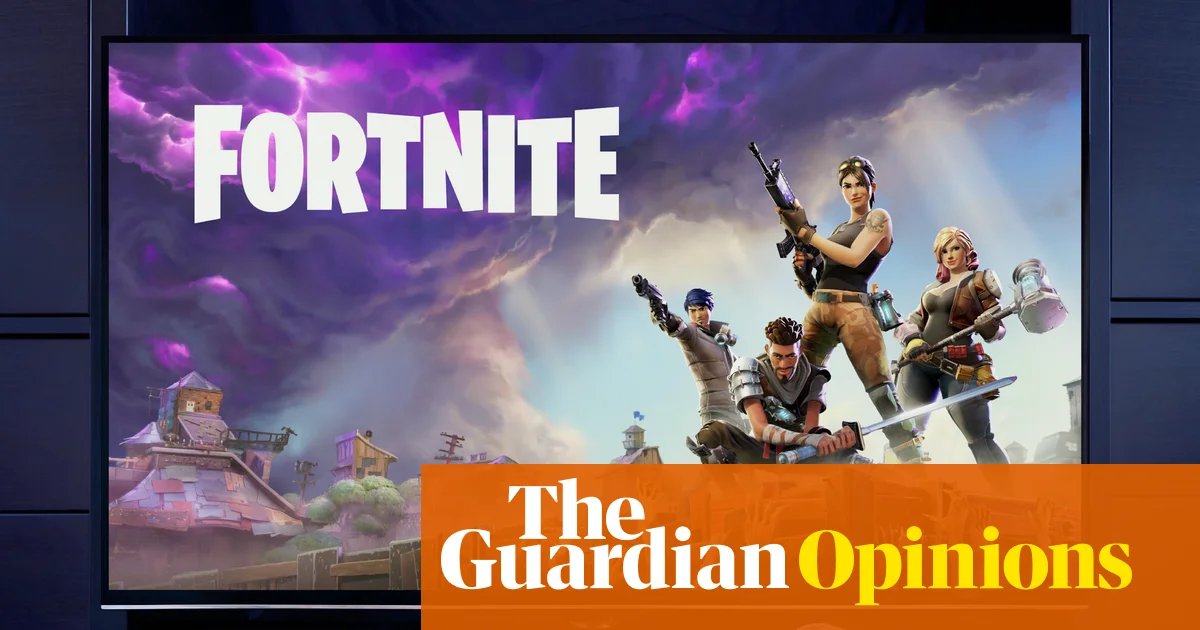
The video game industry is currently experiencing a seemingly endless bout of ruinous deja vu. Every month, another publisher posts an all too familiar statement about job losses in its development studios. There will be airy expressions of regret and platitudes praising the skill and contribution of the imminently jobless; it is all filtered through layers of corporate doublespeak intended to disguise the human cost of downsizing.
On Tuesday, it was the turn of Epic Games, creator of Fortnite, one of the most successful titles on the planet. In a note posted online, CEO Tim Sweeney announced that more than 1,000 jobs would be lost – this followed the cutting of 830 staff in September 2023.
The statement by Sweeney was a masterclass in the corporate rhetoric of regret. “The downturn in Fortnite engagement that started in 2025 means we’re spending significantly more than we’re making, and we have to make major cuts to keep the company funded. This layoff, together with over $500m of identified cost savings in contracting, marketing, and closing some open roles puts us in a more stable place.” He went on to blame, “industry-wide challenges”: slower growth, weaker spending, tougher cost economics.
Fortnite makes around $4bn a year in revenue, it is the fourth most played PC game in the world. Epic Games is estimated to have made $6bn in revenue in 2025. But somehow it is spending more than it’s making. Midway through his note, Sweeney tacitly alludes to the fact that one of the company’s biggest costs has been its expensive legal actions against Google and Apple. Not much those developers could have done about that.
Analysts will be sifting through these figures for weeks, pointing out the complex and shifting market conditions, forecasting further woes ahead. Everybody seems to know why this is happening, but not how to stop it. Games are getting more expensive to make, but growth is stalling; companies took on too many staff in Covid because they saw a massive boost in sales and thought that nobody was ever going to go outside again. There’s more competition from social media and streaming. Attention, it turns out, is a finite commodity.
But what I can’t help thinking is this: there are publishers spending hundreds of millions of dollars on new “live service” multiplayer games, then shutting them down when they don’t instantly become the next Minecraft, Roblox, Call of Duty or, yes, Fortnite. Xdefiant lasted a few months, Highguard a month, Concord two weeks. Execs no doubt saw it as a high risk, high reward strategy. But if the games industry’s entire executive class believes that live service games are the future, what does it mean when one of the biggest brands in the genre apparently can’t pay the bills?
I’ve been writing about games for 30 years and it has always struck me that the wrong people are running the industry. But now, the stakes are so much higher on each shoddy, short-term bet. Famously, in 1983, the US games industry almost destroyed itself when too many manufacturers and software companies flooded the market with consoles and games that were merely weaker copies of what Atari was doing. Since then I’ve seen trends rise and plummet – arcade-style racing and fighting games, guitar games, toys-to-life games, pet sims, life sims, stealth games, massively multiplayer online games, gangster games, open world adventure games … One or two successful titles, then a glut, then the audience moves on and jobs evaporate. I’ve seen executives move from one failure to another – almost always upwards. I see them at industry events, the same faces, the same business casual wear that screams, “deep down, I’m a gamer like you”. But you’re not though, are you?
According to many analysts, most live service games have peaked, but major publishers are still doubling down. Like many other industries in the late capitalist era, this is a business obsessed with growth. Growth at all costs. Companies pin everything on a few “safe” bets, now those bets on live games are looking less safe than ever. And when players inevitably move on, it’s the developers who get jettisoned with them.
“What we now need to do is clear,” wrote Sweeney in the traditionally upbeat and forward looking closing remarks of any redundancy notice (you gotta keep those shareholders upbeat). “Build awesome Fortnite experiences with fresh seasonal content, gameplay, story, and live events … And we’ll be kicking off the next generation of Epic with huge launch plans towards the end of the year.”
I’ve been to hundreds of game studios throughout my career. These are insanely talented people, often working punishing hours – they become like family to each other, every team having its own unique culture. Among those laid off by Epic Games this week, there will be hundreds of people who dreamed their whole lives of this job – they may have made personal sacrifices, moved away from loved ones, incurred huge student debts. What will their plans be towards the end of the year? And which group of talented committed game creators will be joining them next?