dailynewsnblog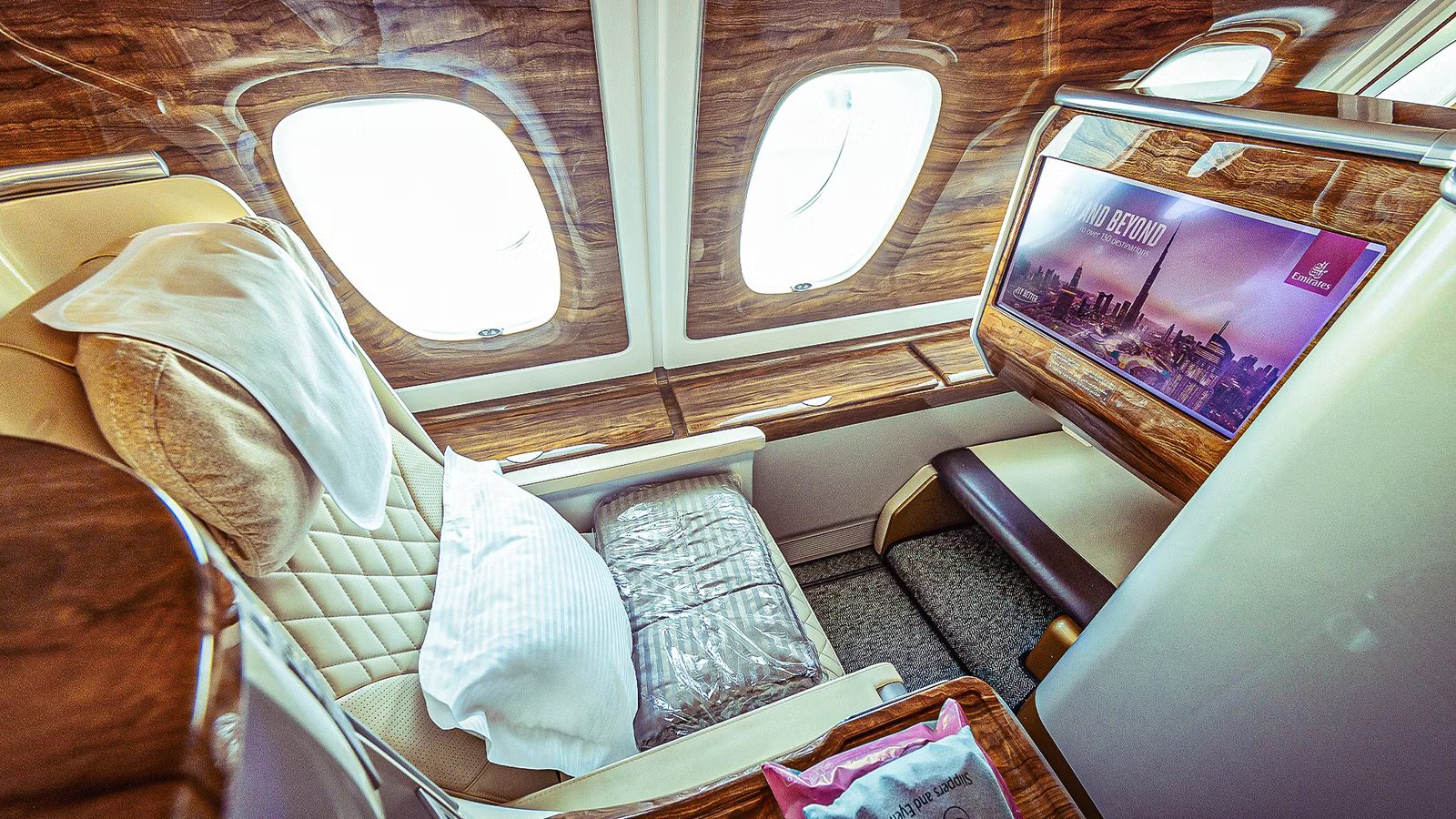
Business class has become one of the most strategically important products in commercial aviation. It shapes airline competition and plays a key role in profitability. The cabin formally emerged as a distinct category in the late 1970s, although several airlines had already been offering upgraded seating and onboard services prior to its official classification.
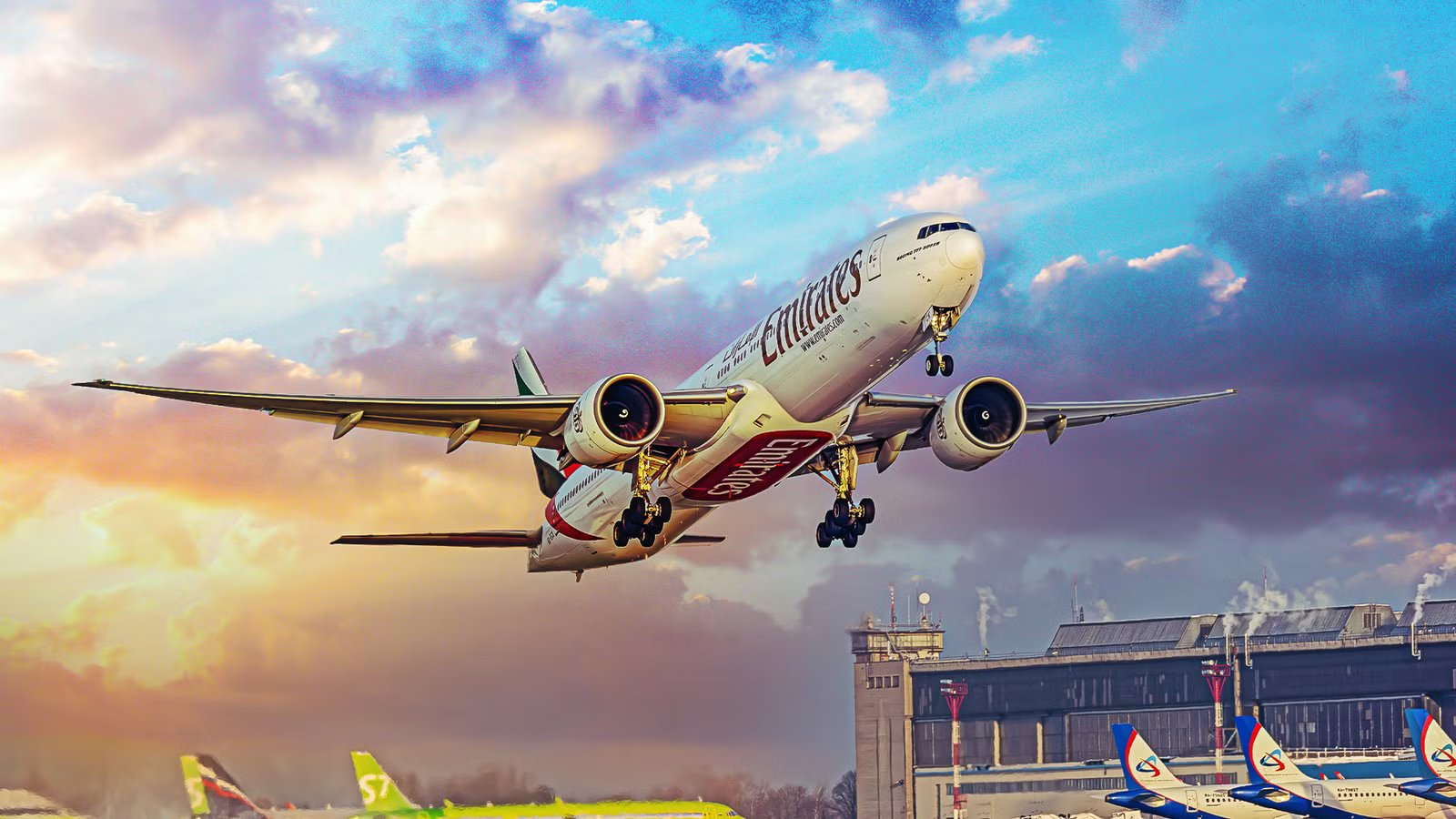
Over time, it evolved from a transitional tier between economy and first class into a key revenue-generating segment for long haul carriers. Today, airlines are investing heavily in seat design, onboard service standards, airport lounges, and ground experience to sustain this premium demand. Like other major carriers,  Emirates has also placed a considerable focus on its business class offerings.
Emirates Business Class: More Than Just The Seat

The airline is widely regarded as premium-focused, and its business class reflects that positioning. Like many other modern long haul business class products, it offers lie-flat seats, upgraded dining, additional storage, and enhanced inflight entertainment. However, the benefits extend beyond the cabin and begin well before boarding.
Emirates provides complimentary chauffeur transfers (mainly with a high-end sedan or SUV) for business class passengers in many major cities. It also offers access to dedicated lounges across its network, which feature multiple dining stations, beverage bars, quiet seating areas, and shower facilities. In fact, at its main hub,  Dubai International Airport, the airline has a large dedicated business class lounge for departing passengers.
In addition, the Emirati carrier provides priority check-in counters and a higher baggage allowance for business class travelers. The baggage allowances include two pieces of checked bags with a combined weight of up to 40 kilograms (88 pounds), as well as two carry-on bags weighing up to seven kilograms (15 pounds) each.
What Can Passengers Expect While Flying Emirates Business Class?

The United Arab Emirates flag carrier offers business class across its entire fleet. According to ch-aviation data, it currently operates 118 Airbus A380s, 129 Boeing 777s, and 17 Airbus A350-900 aircraft. The cabin layout varies slightly between aircraft types, but business class passengers generally receive the same core ground benefits and many of the same onboard services across the fleet. Inflight dining is one of the key parts of the airline’s business class experience.
It serves a multi-course, restaurant-style menu that combines regional and international cuisine (often tailored to the route being operated). Passengers typically receive three meal choices on long haul flights: meat or chicken, vegetarian, and vegan options. For breakfast, you usually get bread, croissants, fruit, and yogurt. Lunch and dinner follow a multi-course format with appetizers, a main dish, and dessert options such as sweets, fruit, or a cheese plate served with tea or coffee.
Presentation-wise, the meals are served in a style that resembles restaurant dining rather than the traditional airline tray service that we find in economy cabins. They are presented on Royal Doulton bone china with cutlery (which is designed specifically for the airline by British designer Robert Welch). In addition, the airline offers a selection of wines, champagne, and spirits designed to complement the onboard menu, alongside soft drinks and juices.
Furthermore, on longer flights, it provides Bulgari amenity kits that include skincare products, fragrance, and lip balm. It also provides additional items such as a dental kit, earplugs, and a hairbrush. Besides, on overnight routes, business class passengers also receive botanical-fabric pajamas, slippers, and an eye mask.

The Chefs Behind Emirates’ Epicurean Business Class Menu Revamp
Emirates’ latest business class dining offering takes the carrier’s inflight experience to new heights.
On The Emirates A380, The Onboard Lounge Is Central To The Experience

Of course, the seat itself is the most important part of the Emirates Business Class experience. As noted earlier, the cabin layout and seating design vary depending on the aircraft type. This means the overall experience can differ slightly depending on the route and aircraft operating the flight. For instance, on the Airbus A380, business class seats are arranged in a 1-2-1 configuration and are based on the Safran SkyLounge platform.
Each seat includes additional storage compartments (including a smaller one for non-alcoholic beverages), individual reading lights, and a static 18-inch inflight entertainment screen. It converts into a fully flat bed, and when you wish to sleep, the cabin crew even prepares the seat with a padded mattress topper. However, these are not the only benefits you get while flying business class on Emirates A380.
One of the most notable benefits you get is access to the airline’s popular onboard lounge, which is exclusive to first and business class passengers. The lounge is located at the rear of the upper deck, just behind the business class cabin, and includes a curved bar area with both standing and seating options. On longer flights, this can be particularly rewarding. You can order wines, spirits, cocktails, and light snacks while interacting with other travelers or just stretch your legs during the flight.
How Does The Experience Compare On Emirates’ Other Aircraft?

In terms of the business class experience on Emirates’ other aircraft, the Airbus A350 and Boeing 777, the overall onboard product remains broadly similar. As noted previously, the airline currently operates 17 A350-900s and has 56 more on order. In business class, the seats are also based on Safran’s SkyLounge platform, similar to those found on the Airbus A380, although the seat width and pitch differ slightly. On the Boeing 777, however, the situation is somewhat different.
Emirates currently operates 119 Boeing 777-300ER aircraft and ten 777-200LRs, with about eight different cabin configurations across the fleet. If you have traveled on the airline’s 777, you may have noticed that the layout differs significantly from the one used on the A380. On the Boeing 777-200LR, business class seats are arranged in a 2-2-2 configuration and are based on the Collins Aerospace Diamond platform. These seats were introduced as part of a cabin refresh that the airline carried out several years ago when it removed first class from these aircraft. Previously, Emirates’ 777-200LRs featured a denser 2-3-2 business class layout.
|
Emirates Business Class Seats Classification |
|||
|---|---|---|---|
|
Airbus A380 |
Airbus A350 |
Boeing 777 (-200LR/-300ER) |
|
|
Manufacturer/platform |
Safran SkyLounge |
Safran SkyLounge |
|
|
Raw Pitch |
14 inches (35.56 cm) |
44 inches (111.76 cm) |
|
|
Seat Width |
18.5 inches* (46.99 cm) |
20.7 inches (52.6 cm) |
|
|
Seat Recline |
180° (Converts to a 75-inch-long flat bed) |
180° (Converts into a 78.6 inch long flat bed) |
|
|
Inflight Entertainment Screen |
Static 18-inch or 27-inch HD touch screen display (depending on the aircraft) |
23-inch 4K UHD touchscreen display |
|
|
*Seat width has been measured between armrests |
|||
Furthermore, its Boeing 777-300ER also features the Collins Aerospace seats in a denser layout. However, the carrier has started retrofitting these aircraft with new business class seats, similar to those found on the A380, arranged in a 1-2-1 configuration. More than 20% of the 777-300ER fleet has already received the updated business class. As the refurbishment continues across the fleet, some aircraft still operate with the older 2-3-2 configuration.

Emirates’ 7 Boeing 777 Layouts: What’s Inside?
The carrier’s different configurations for the 777 allow it to serve a wide range of passenger markets with the type.
What Can We Expect From Emirates’ Boeing 777X Business Class?

The UAE flag carrier also has a significant Boeing 777X orderbook. According to ch-aviation data, the airline has placed orders for 235 Boeing 777-9 and 35 Boeing 777-8 aircraft. The 777X program, however, has faced multiple delays over the years due to certification challenges, engine issues, and pandemic-related disruptions. As a result, the airline has had to revisit its cabin plans for the aircraft.
The carrier had initially developed a business class seat for its 777X, similar in concept to the one found on the Airbus A380. However, the prolonged timeline led the airline to abandon that design. Speaking to Executive Traveller last year, Emirates President Sir Tim Clark noted that the decision to scrap the original concept cost approximately $23–35 million (€20–30 million). That said, more recently, a company video offered an early look at what the revised business class cabin could include.
The new design appears to be based on Safran’s Unity platform, with several custom features tailored for the airline. It is expected to feature enclosed suites with sliding privacy doors arranged in a staggered 1-2-1 layout. In addition, Emirates has removed the central overhead bins to create a better sense of space. But one of the most notable additions is a dedicated lounge space positioned between two business class cabins.
A Premium Travel Experience From Ground To Air

Undoubtedly, there are several benefits when flying business class with Emirates. Whether you are flying on the A380, A350, or 777, the experience can vary depending on the aircraft, but the overall standard of comfort and service remains consistent. From the moment the journey begins on the ground to the time you arrive at your destination, the focus remains on making your long-haul travel more comfortable and manageable.
Services such as chauffeur transfers and priority handling make the journey more straightforward, and once onboard, the seats, cabin environment, and crew contribute to a more comfortable experience. The Emirati carrier has long placed strong emphasis on its premium cabins and continues to invest in its business class offering, which remains a key revenue-generating segment for the airline.
As new aircraft enter service and existing fleets are updated, Emirates continues to refine its premium cabins to remain aligned with evolving passenger expectations and industry developments. Indeed, the future business class experience at Emirates is expected to differ slightly from what is currently offered across its aircraft (particularly on board). However, it will continue to reflect the airline’s long-standing focus on premium travel.