dailynewsnblog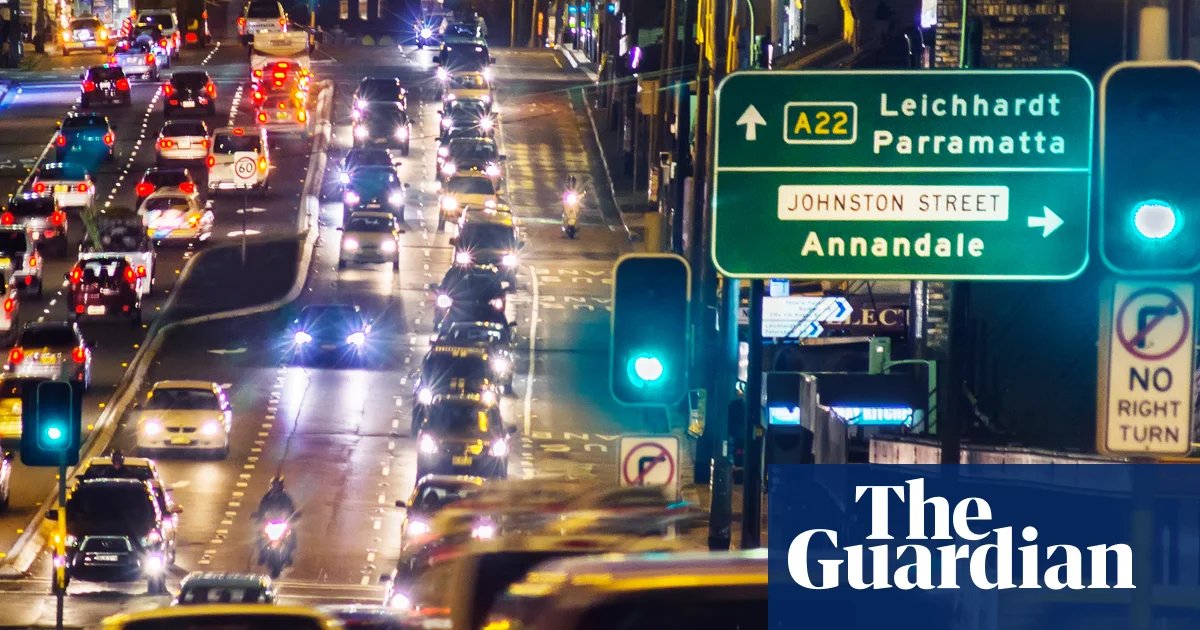
Australians appear to have kept driving despite soaring petrol prices, as calls grow for free or discounted public transport to help people save fuel and get off the road.
Traffic and public transport usage are holding steady, with experts warning the country needs to change travel methods or start working from home if fuel costs keep rising.
Vehicle numbers on key Sydney roads have not shown a decline since the last week of February, before the US went to war with Iran, damaging oil supply and forcing up petrol prices.
Weekly petrol bills have risen $20 or more since the end of February, for the average household using 35 litres of fuel.
Yet NSW weekly traffic data showed little change on Parramatta Road and a small drop Pennant Hills Road from 23 February to 22 March.
Sydney’s public transport usage barely moved over the period, according to Transport for NSW. Opal card tap-ons for bus and ferry trips have fallen in March compared to 2025, while a boom in train usage in February has eased.
Traffic on key Melbourne roads, including the M1, M80, Princes Freeway, Tullamarine Freeway and West Gate Tunnel have held steady, after accounting for the impact of partial road closures.
Foot traffic has held up in Melbourne’s CBD up to 22 March, with the City of Melbourne’s steady pedestrian counts showing little sign of any change in office employees working from home.
Many Australians live too far from train and bus routes to ditch their car, leaving regional and outer urban residents with no option but to drive to their workplace.
Myki taps, meanwhile, fell in the second week of March from the last week of February or the same week in 2025. The state government introduced credit card and phone touch-ons the following week, which it said had enabled over 40,000 successful taps.
Canberra’s bus and light rail network also recorded fewer trips in the second week of March compared to the end of February, government data showed.
The Senate is expected to pass a bill calling for federal support for “free or affordable” public transport, moved by David Pocock, the ACT senator, and supported by the Greens and the Coalition.
At the state level, NSW’s Liberal opposition, Business NSW and the rail, tram and bus union have each called for cut-price fares.
“Get them out of their cars, give them immediate cost-of-living relief, and let’s use the fuel where we need to use it,” the union’s Toby Warnes said on Sunday.
The NSW government has ruled that out, with the state premier saying 75% of the cost is already picked up by the taxpayer.
Australians have struggled to cut back on driving during past fuel price spikes, said Geoffrey Clifton, transport expert at the University of Sydney.
“In the short term, households tend to cop it and then as these things go on for longer, we start to see households making different decisions,” Clifton said.
Research from Transurban, which operates tollways in Sydney, Melbourne and Brisbane, has previously found motorway traffic holds up even when fuel prices rise. The company declined to share whether traffic had declined.
If petrol prices held up, though, commuters would start swapping to alternatives, from public transport to electric cars and bikes to walking, Clifton said.
Ebike provider Lime reported a near-10% jump in trips in Sydney from the first week of March to the second week. While rental e-bikes and e-scooters typically replace public transport or walking, the lift could be due to people giving up shorter car trips, Clifton said.
Queensland’s public transport system, which has 50c fares, saw a slight increase in usage from 10 March to 17 March.
A spokesperson for Queensland’s Department of Transport and Main Roads said: “It is too early to determine whether higher fuel prices are influencing overall network patronage.”
Western Australian public transport trips picked up from 2.9m in the last week of February, to 3m trips in the second week of March, though patronage had been on the rise over the last year as the state government opened a new rail line and cut fares.
Traffic in Perth has not changed, though, with one of Perth’s busiest roads, Kwinana Freeway at Narrows Bridge, recording average traffic of just over 200,000 vehicles a day in the second week of March, in line with the year so far.
“We’re committed to supporting Western Australians to manage the impacts of rising fuel prices and providing reliable and affordable public transport is a key part of that, the state transport minister, Rita Saffioti, said.