dailynewsnblog
New requirements for entering Europe are coming: After numerous false starts, the European Travel Information and Authorisation System will launch in late 2026.
European Union officials have been squishy on an exact date, but the latest timeline is the last quarter of the year.
This travel authorization will be required for U.S. citizens who wish to visit 30 different countries across the continent, both inside and outside the EU’s Schengen Area.
It will also now cost even more than when first proposed. After initially pricing the ETIAS fee at 7 euros (roughly $8), the European Union increased the fee to 20 euros (about $23).
The United Kingdom uses a similar program; visitors must pay 16 British pounds (about $21) for a travel authorization valid for two years or until their passport expires, whichever comes first. You can find step-by-step instructions for applying for the U.K. version here.
Although sometimes referred to as a “visa,” this is actually just an online application and preauthorization to travel. It will be much easier and much less expensive to obtain than a traditional travel visa issued by an embassy.
As of March 2026, the EU’s official ETIAS website states that the “ETIAS will start operations in the last quarter of 2026” and that “No action is required from travellers at this point.”
“The European Union will inform about the specific date for the start of ETIAS several months prior to its launch,” it reads.
What does this mean for future trips to Europe? Here’s everything you need to know about the upcoming ETIAS program.

Reward your inbox with the TPG Daily newsletter
Join over 700,000 readers for breaking news, in-depth guides and exclusive deals from TPG’s experts
What is the ETIAS?
The ETIAS is a visa-waiver program similar to the current Electronic System for Travel Authorization used for European visitors to the U.S.
The form will act as a preauthorization system, allowing travelers from 59 visa-exempt countries and territories outside the Schengen Area — including the U.K. and the U.S. — to enter the region for up to 90 days within a 180-day period without a full visa.
The ETIAS will cross-check visitor information with government databases and watch lists before issuing authorization to enter. It will also use the information collected in data tracking for business and tourism purposes.
“We need to know who is crossing our borders,” Jean-Claude Juncker, former European Commission president, previously said. “This way, we will know who is traveling to Europe before they even get here.”
Is the ETIAS a visa?
The ETIAS is not a traditional European visa and will only require a seemingly quick online application.
Travelers will fill out an online form with basic personal information, travel plans and history before answering a few security questions. Most applications will be approved in a few minutes, but if your application is flagged, it could take up to 30 days.
Which countries will require the ETIAS?
Travelers from the following visa-exempt countries and territories will need an ETIAS authorization before traveling to Europe.
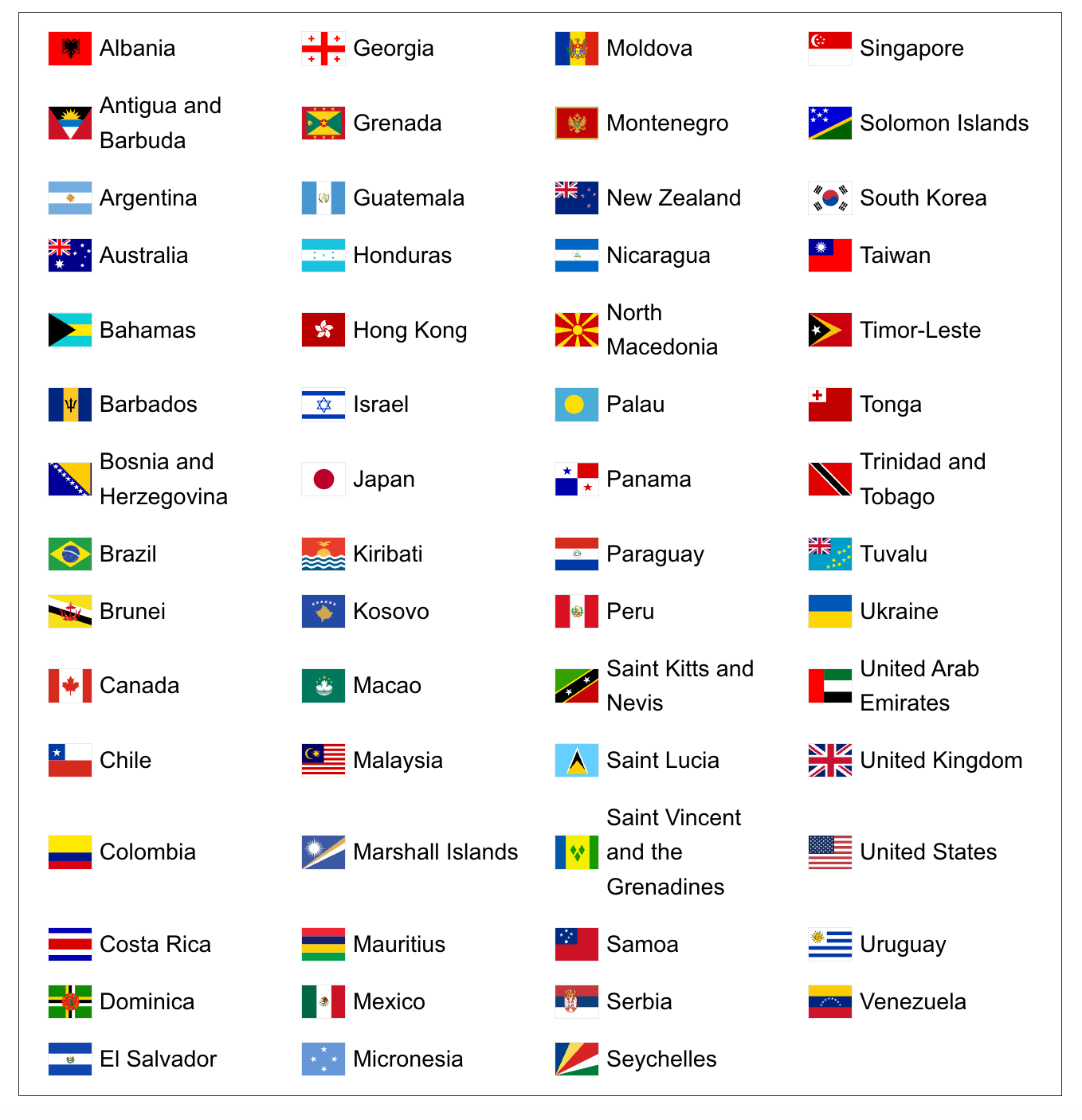
These are the 30 countries that will require incoming travelers to show ETIAS approval. New Schengen Area members like Romania and Bulgaria and European Free Trade Association nations like Iceland, Norway and Switzerland are included.
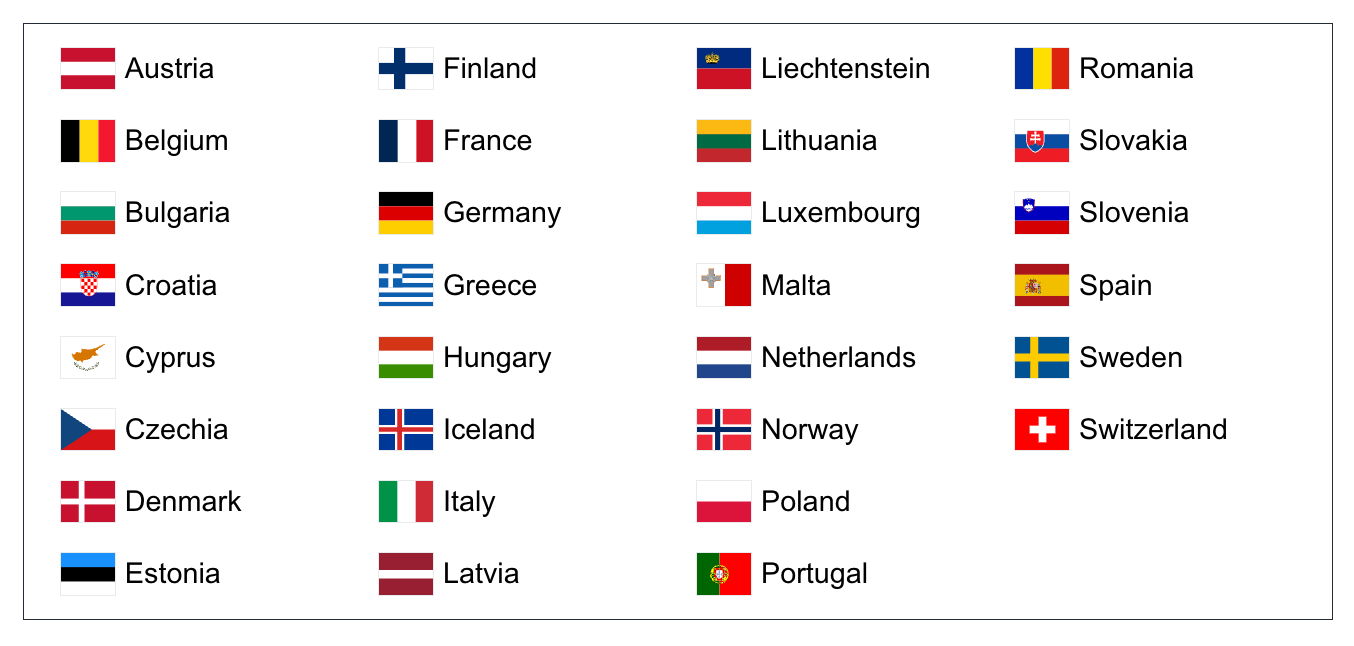
Several future Schengen member nations, including Cyprus, will also require the ETIAS. Though some European principalities and microstates like San Marino and Andorra won’t technically require the ETIAS to enter, most travelers will have to arrive through a country like Italy, France or Spain that does require the authorization. Although Ireland is part of the EU, it is not a Schengen Area country and will not require the ETIAS.
Do US and UK citizens need to apply for the ETIAS?

American citizens (as well as those from the U.K. and the other non-EU countries not currently required to apply for visas) will need ETIAS authorization to enter the EU for visits of up to 90 days. This includes transit passengers.
If you have applied separately for a visa to enter Europe, you will not need to complete the ETIAS application.
When will I need to apply for the ETIAS?

The ETIAS is supposed to launch in the last quarter of 2026, sometime in or after September 2026 — but I suspect that timeline may shift further.
The EU has said that the ETIAS launch will be followed by a transitional period of around six months. Within this period, travelers should apply for ETIAS authorization; it’s unlikely you will be refused entry to a country during your travels as long as you also fulfill other entry conditions.
These conditions include having a passport issued no more than 10 years before the date you enter the EU and valid for at least three months past the day you depart the EU.
How much will ETIAS cost?
The ETIAS will charge 20 euros (about $23) for a three-year permit that allows “third-country nationals” to enter the Schengen Area for up to 90 days within a 180-day period.
Only visitors between 18 and 70 years old will need to pay the application fee, but travelers of all ages will need ETIAS authorization to enter.
How do you apply for the ETIAS?
Before traveling, you must access the ETIAS online application to input your passport information, name, date and place of birth, email address, and phone number, and other details about your background and trip, plus a credit or debit card to submit the payment fee.
Here is what you’ll be required to fill out, according to the ETIAS information website:
- Identifying information (including your first name, last name, date and place of birth, and parents’ first names)
- Information regarding your citizenship and passport number
- Home address
- Email and phone number
- Education and work experience
- Details about which ETIAS countries you’ll visit and the length of stay
- Background and eligibility questions about travel to war countries or places where you were deported or rejected, as well as criminal records
A legal guardian must apply for the ETIAS for minors. Family members of EU citizens from other countries are exempt from the ETIAS authorization but must submit proof of relationship, a residence card and other background information.
How long will the approval process take?
Approval for most applicants should take a matter of minutes. However, if an item is flagged in the application, it will undergo manual review. The applicant can correct any improper information or appeal a denial decision. It’s recommended to apply for the ETIAS well before your travel date, especially during its initial rollout, when processes are still being ironed out.
“Filling out the application is quick and easy. Most applicants will receive their ETIAS travel authorisation within minutes, but in some cases, the process may take up to 30 days,” according to the EU. “This is why you should apply well in advance of your travel to avoid complications.”
How long does the ETIAS last, and will you need to apply for each European trip?
Once approved, your ETIAS authorization will be valid for up to three years and can be used on multiple trips. After three years, you will be required to apply for a new ETIAS authorization.
Is there a renewal process?
When your ETIAS authorization is approaching its expiration date, you should receive an email at the address you registered during your application. You can apply for a new ETIAS authorization up to 120 days before the expiration of your current ETIAS.
How will your data be stored?
The European Commission sought to ease privacy concerns by insisting that the ETIAS is not a visa and that the application process is far less intrusive.
“Only authorised users from the authorities involved will be able to access personal data stored in the ETIAS central system, according to their role/duties,” the EU states. “The ETIAS central system does not process or retain any payment information after the transaction has been processed.”
Bottom line

Fortunately, Americans and Brits planning to visit Europe don’t need to take any immediate action. Still, they should be aware that the ETIAS is due to launch at the end of 2026.
Be prepared to go through one more step and pay one more fee in the travel process as part of the ETIAS implementation, scheduled for sometime in 2026. Stay tuned to TPG for further developments related to this program.
The EU is also in the middle of rolling out its long-delayed “Entry/Exit System.”
The new system requires travelers to the Schengen Area to provide fingerprint and facial biometric data instead of receiving passport stamps, but it’s only rolling out sporadically and has caused some issues for travelers. It was supposed to be fully rolled out by April 10, 2026, but there have been delays, including in the phased rollout. France, for example, admitted it is behind in the rollout.
In any case, there may be a different entry system in place the next time you enter Europe that will require you to submit your fingerprints and other biometric data, so be prepared for that even if you don’t yet have to pay for a travel authorization.
Related reading: